Leisure World Seal Beach — A 55+ Community Comparison
Leisure World Seal Beach is a coastal, age‑restricted community for residents 55 and over that uses a stock cooperative ownership model and offers a broad amenity package for active, low‑maintenance living. This guide is written for buyers and sellers who want a clear side‑by‑side look at how Leisure World stacks up against other senior communities—covering ownership types, amenities, governance, costs, and day‑to‑day lifestyle. We address common questions about how cooperative rules affect financing, what on‑site healthcare adds to daily life, and how cooperative dues compare with typical HOA coverage. You’ll find plain‑language comparisons, EAV‑style tables that summarize what different community types typically include, and step‑by‑step advice for buying or selling in a cooperative. Where helpful, we reference entities like the Golden Rain Foundation and OptumCare to explain governance and health services, and we introduce Leisure Living Resales as a local resource for people seeking practical, community‑specific guidance.
What makes Leisure World Seal Beach different from other 55+ communities?
Leisure World’s identity centers on its stock cooperative ownership, ocean‑adjacent location, on‑site medical services, and a busy calendar of clubs and events. Those elements work together: shared governance and bundled services mean residents trade many typical homeowner tasks for predictable upkeep, ready social programming, and easier access to basic healthcare. The practical benefits include simpler daily maintenance, a steady schedule of community activities, and a setting designed to help people age in place near the coast. Understanding these core features makes it easier to compare Leisure World with condominium or independent‑living models and to weigh trade‑offs around financing and resale timing. The sections below explain how the cooperative model works and how Leisure World’s lifestyle offerings show up in everyday life.
How does Leisure World’s stock cooperative model compare to other ownership types?
In a stock cooperative you buy shares in the corporation that owns the property; those shares give you a proprietary lease for a particular unit rather than a deed to real property. That difference matters because cooperatives typically have member approval processes, community rules, and financing limits that can affect mortgage availability and timeline expectations. The upside for residents is that many exterior and shared responsibilities are managed collectively by the cooperative and its associations, creating a largely maintenance‑free experience inside your unit. Key considerations for buyers include board approval requirements, any buy‑in terms, and exactly which services cooperative dues cover—knowing these details helps you decide whether a stock cooperative matches your financing and lifestyle needs.
When comparing ownership types, keep in mind that condominiums provide deeded real property and usually wider financing options, while stock cooperatives bundle services and governance in a way that can simplify daily living but add steps at sale or transfer. That contrast leads directly into how the community’s amenities and programs are delivered.
About Leisure Living Resales
Leisure Living Resales, led by Mark and Judy Hughes—residents with board‑level insight—acts as a local source of listings and cooperative know‑how for Leisure World Seal Beach. Their neighborhood experience helps buyers and sellers prepare approval packets, understand community norms, and set realistic expectations. If you want someone who knows how the cooperative works and what buyers look for, Leisure Living Resales offers grounded, practical support focused on helping clients make informed choices.
How do Leisure World’s amenities compare to other senior communities?
Leisure World’s amenity mix centers on clubhouses, recreational facilities, and on‑site services that support an active, convenient daily routine. Those bundled benefits reduce the need to travel for classes, social events, or basic care, which supports wellbeing and can help resale appeal. The value is a community where social life, fitness options, and everyday conveniences are close at hand and scheduled into regular programs. Below we highlight standout amenities and offer an EAV‑style comparison to show how Leisure World typically compares to other 55+ community types.
Signature amenities at Leisure World include an organized club system, multiple clubhouses, pools and courts, a nine‑hole golf option, and an on‑site medical center geared toward aging‑in‑place. Together these features create a lifestyle package many standard 55+ developments don’t offer, and they often matter a lot to buyers and long‑term residents.
What are the key Leisure World amenities that set it apart?
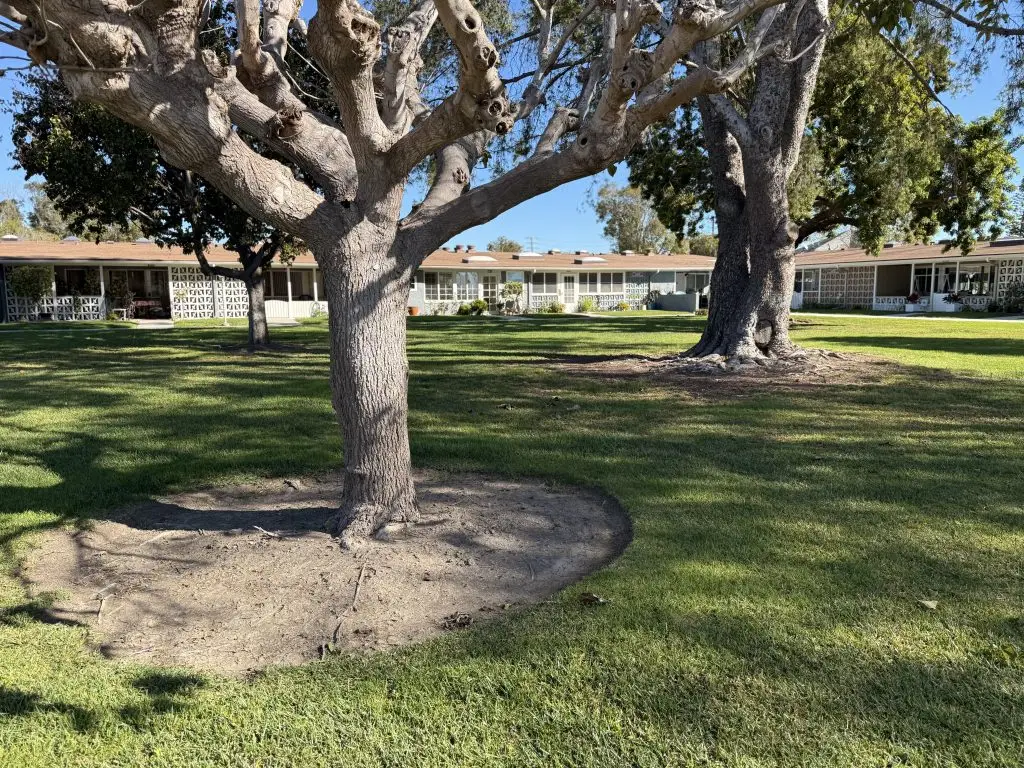
Leisure World’s flagship amenities support social connection, recreation, and day‑to‑day convenience. The combination of regular programming—clubs, classes, and events—and built facilities like clubhouses and fitness spaces makes it easy for residents to pursue hobbies, join groups, and access basic services without leaving the community. That steady access to activities and volunteer opportunities helps newcomers plug in and keeps longtime residents engaged.
Intro to amenity comparison table and explanation
The table below uses an EAV‑style format to compare core amenity presence and scale between Leisure World and other typical 55+ community archetypes. It uses qualitative descriptions so you can quickly see which community types usually include on‑site healthcare, golf, and clubhouse resources.
| Community Type | Amenity | Typical Presence / Detail |
|---|---|---|
| Leisure World Seal Beach | On‑site healthcare center | Clinic on property with primary‑care access for residents |
| Leisure World Seal Beach | Golf | Resident access to a nine‑hole golf experience |
| Leisure World Seal Beach | Clubhouses & social clubs | Several clubhouses and extensive resident‑run programming |
Summary of amenity table
The table shows that Leisure World commonly pairs on‑site healthcare, varied recreational facilities, and strong clubhouse programming into one cohesive experience—something less common in many conventional 55+ developments that rely more on off‑site medical providers or have smaller club operations. Those differences shape daily life and buyer preferences.
How does Leisure World’s on‑site healthcare compare to other 55+ communities?
Leisure World’s clinic—often coordinated with local provider groups such as OptumCare—helps by cutting travel for routine care and by giving residents access to clinicians familiar with senior health needs. Proximity makes appointments, follow‑ups, and preventive care easier to manage, supporting aging‑in‑place goals. For residents with chronic conditions or mobility limits, an on‑site clinic can feel like a real convenience and a security boost. That health‑care presence also affects who’s likely to buy here—some purchasers specifically seek communities with medical access built into the amenity list.
That connection between care access and resale positioning plays into governance and long‑term planning conversations later in this guide.
How does the cost of living at Leisure World compare to other senior communities?
Living costs in a 55+ community are driven mainly by cooperative or HOA dues, what services those dues include, and local real‑estate market conditions. Leisure World’s cooperative dues typically fund bundled maintenance and shared services. Which services are covered—landscaping, exterior upkeep, some utilities, amenity maintenance—changes how much you’ll pay out of pocket. The clear advantage of broader dues coverage is predictability: many ongoing costs are included so monthly budgeting is more straightforward. When comparing communities, focus on what fees cover rather than raw monthly numbers alone.
Intro to HOA EAV table and explanation
The EAV‑style table below outlines typical fee coverage across community types, showing what monthly or periodic fees commonly include. It emphasizes relative coverage so you can spot service differences without getting hung up on specific price points.
| Community | Typical Fee Coverage | Value / What It Covers |
|---|---|---|
| Leisure World Seal Beach | Cooperative dues | Exterior maintenance, some utilities, clubhouse and amenity upkeep, community services |
| Laguna Woods Village (example) | Association assessments | Extensive amenity support; service levels vary by association |
| Conventional 55+ development | HOA fees | Basic common‑area maintenance; many amenities optional or fee‑based |
Summary of HOA coverage table
This comparison highlights that Leisure World’s cooperative dues often cover a broader array of everyday services than some conventional HOAs, which may leave more tasks to individual homeowners or offer amenities on a pay‑as‑you‑go basis. Looking at coverage gives a clearer picture of real monthly costs and convenience.
How do market trends influence cost considerations?
Local market factors—demand for coastal living, inventory of comparable units, and yearly sales patterns—drive pricing and how quickly properties sell. That matters because resale speed and price stability shape buyer timing and seller expectations. For both buyers and sellers, market context helps set realistic offers and timelines. Leisure Living Resales can interpret community‑level market signals and show how cooperative dues and ownership models interact with local pricing trends in the current market.
Local market perspective from Leisure Living Resales
Leisure Living Resales uses on‑the‑ground experience to help clients parse HOA and cooperative fee structures and to translate those fees into monthly budget and financing implications. We turn governance documents and market trends into practical advice, but readers should always review official community disclosures and speak with lenders about financing limits.
How does Leisure World Seal Beach compare to Laguna Woods Village and other top 55+ communities?
Leisure World and Laguna Woods Village are two well‑known Orange County senior communities that differ mainly in ownership structure, governance, and amenity scale—differences that influence financing and daily life. The key distinction is organizational setup: mutual corporations and foundation governance versus other association types create different rules, approval steps, and long‑term capital plans. Comparing communities side‑by‑side helps buyers weigh governance complexity against amenity breadth and location to find the best fit. Below is an ownership‑model EAV table and a short narrative highlighting the main contrasts.
Entity‑attribute table: ownership and financing implications
| Community | Ownership Model | Value / Buyer Implication |
|---|---|---|
| Leisure World Seal Beach | Stock cooperative | Share‑based ownership with a proprietary lease; may require board approvals and limit certain financing options |
| Laguna Woods Village | Mutual/association structure | Large‑scale governance with broad amenities; transfer rules and assessments reflect scale |
| Conventional 55+ condominium | Condominium deed ownership | Deeded property with wider lender acceptance and individual mortgageability |
Summary of ownership table
The table shows that ownership models make a real difference: stock cooperatives often involve share purchases and board approvals, while condominiums provide deeded ownership that lenders and buyers generally understand more easily. Those differences affect buyer eligibility, financing options, and how sellers position a property.
What are the main differences between Leisure World and Laguna Woods Village?
Leisure World is compact and coastal, with cooperative governance and integrated healthcare and clubhouse programs; larger communities like Laguna Woods often have wider amenity campuses and different governance layers that shape assessments and resident roles. Those contrasts matter because they change daily rhythms—smaller communities can feel closer‑knit and easier to navigate, while larger villages offer greater variety but may require more coordination across governing bodies. Buyers should match personal priorities—beach access and maintenance‑free living versus scale and amenity diversity—to the community that best fits them. These differences also guide how sellers market a property and which buyers will be most interested.
How do security and governance models differ across these communities?
Governance is usually run by resident‑elected boards, mutual corporations, or community foundations; security ranges from community patrols to gated access depending on local rules. Organizations like the Golden Rain Foundation illustrate how a centralized governance body can coordinate amenities and capital projects. What shapes resident experience is how rules and assessments are set and enforced—boards set policies that affect maintenance, upgrades, and everyday expectations. Understanding governance helps prospective residents anticipate assessment risk, approval steps, and the procedures needed for transfers or renovations, and it shows how to get involved in community decision‑making.
What is the active senior lifestyle like in Leisure World compared with other communities?
Leisure World’s social life is driven by many clubs, scheduled events, and fitness opportunities that create a lively environment for residents seeking connection, purpose, and regular activity. The club infrastructure and recurring calendar make participation easy and predictable, which supports mental and physical wellbeing. New residents usually find groups and volunteer roles quickly, which reduces isolation and smooths the transition into retirement life. The sections below summarize club variety and outdoor/fitness options so you can judge lifestyle fit.
How extensive are Leisure World’s clubs and social opportunities?
Leisure World hosts a wide range of resident‑run clubs—arts, fitness, special interests, and service groups—and newcomers typically get introduced through welcome events and club fairs. A broad club menu increases the chance you’ll find activities that match your interests and values, helping you form friendships and routines. Most people start by attending a few recurring events, then join the clubs that fit their schedule and hobbies.
Popular club categories and examples
- Arts and crafts groups that offer regular workshops and social time.
- Fitness and wellness classes, plus peer‑led exercise meetups.
- Volunteer and service organizations that connect residents with local needs.
- Special‑interest clubs—music, games, lecture series—that meet on a schedule.
Summary of clubs list
These club types show how residents build daily routines and friendships, underlining how Leisure World’s organized social structure supports an active, connected retirement.
What outdoor and fitness activities are available compared to other communities?
Leisure World’s outdoor and fitness options typically include walking paths, pools, fitness centers, courts, and easy access to nearby beach recreation. Having on‑site facilities plus coastal proximity makes it simpler to keep up exercise habits and enjoy outdoor time without long drives. The result is better physical health, more chances for fresh‑air socializing, and a lifestyle that supports longevity and wellbeing. For those who prioritize outdoor living, Leisure World’s beach adjacency and recreation offerings are a clear advantage versus some inland or smaller developments.
How can buyers and sellers navigate Leisure World Seal Beach real estate compared to other communities?
Buying or selling in a stock cooperative calls for a clear understanding of approval steps, required paperwork, and marketing differences from conventional condo or single‑family transactions. Cooperative governance—boards, proprietary leases, and dues—shapes transfer rules and timelines. A clear, stepwise process reduces surprises and helps closings go smoothly. Below you’ll find a practical checklist and a description of specialized support options for buyers and sellers in Leisure World.
Buying and selling checklist (intro)
The checklist below covers common steps and documents in cooperative transactions so buyers and sellers can prepare at each stage. Use it as your baseline for comparing cooperative‑specific tasks with standard condominium sales.
- Review governance documents: Read the proprietary lease, bylaws, and rules so you understand residency and use requirements.
- Prepare approval materials: Put together financial statements, references, and any forms the board requires.
- Coordinate inspections and disclosures: Schedule home inspections and complete seller disclosures early in the process.
- Plan financing or cash requirements: Confirm lender eligibility or cash availability given cooperative lending limits.
- Anticipate closing timelines: Allow extra time for board approvals and cooperative transfer procedures.
Checklist summary
Following this checklist helps set expectations and speeds approvals by ensuring applications are complete and timed correctly; it also highlights where cooperative timelines differ from standard transactions.
What specialized support does Leisure Living Resales provide for buyers?
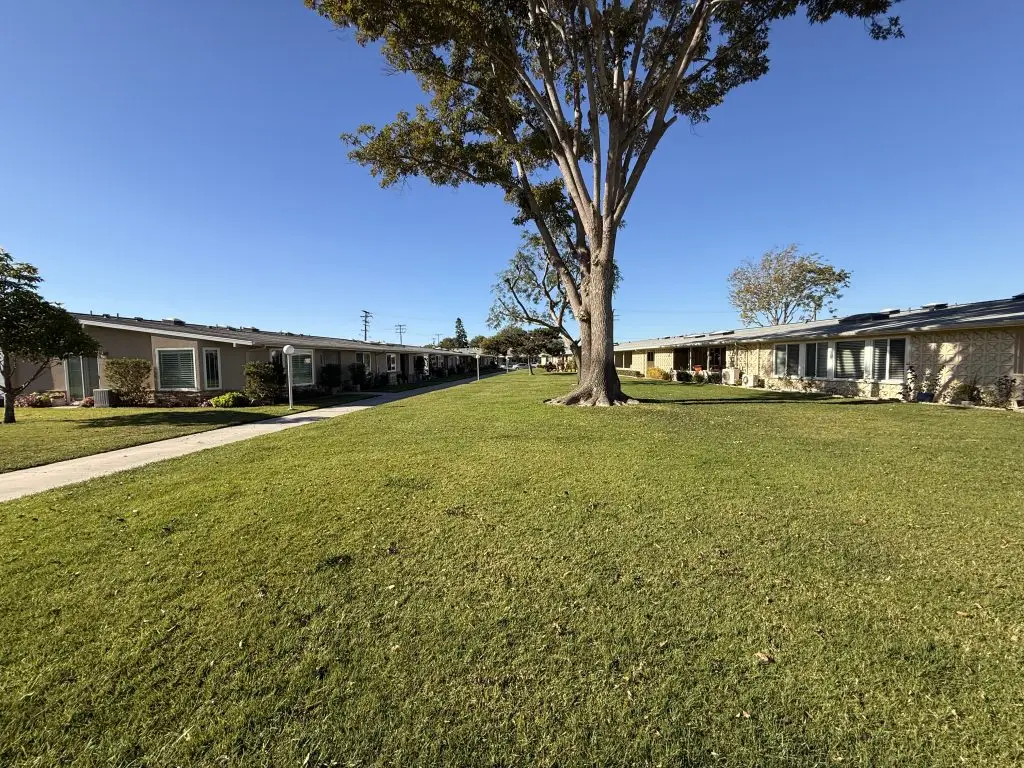
Leisure Living Resales offers buyer services designed for Leisure World’s cooperative environment: curated listings, help interpreting governance documents, assistance assembling board‑approval packets, and neighborhood insight from long‑time residents. Our local experience translates formal documents and community norms into clear, practical steps so buyers know what to expect. The result is less uncertainty—buyers get help with approvals, pricing context, and realistic timelines that shorten the learning curve for cooperative purchases.
Service bullet list and practical applications
- Curated access to listings and local market context for Leisure World inventory.
- Help preparing board‑approval packets to improve the completeness of submissions.
- Pricing strategy advice that accounts for cooperative dues and buyer demand.
- Guidance on reading proprietary leases and association rules.
Summary of services
These focused services help buyers navigate cooperative constraints and ensure paperwork aligns with community expectations, lowering the risk of delays at closing.
How does selling a home in Leisure World differ from other senior communities?
Selling in a stock cooperative calls for marketing that highlights bundled services and lifestyle benefits while clearly addressing buyer concerns about approvals and financing. Sellers must prepare cooperative‑specific disclosure packets and coordinate board transfer approvals. The key is matching the listing to the buyer pool: cooperative buyers often prioritize maintenance‑free living and active programs over traditional ownership features, and that shapes how you present and price the property. A cooperative‑aware sales strategy reaches motivated buyers more quickly and reduces time‑on‑market.
Seller‑focused checklist and marketing tactics
- Gather all cooperative disclosure packets and required documents before you list.
- Showcase the included services and on‑site amenities that appeal to active 55+ buyers.
- Market to audiences familiar with cooperative ownership and maintenance‑free living.
- Price listings to reflect bundled services and current local demand.
Summary for sellers
Using cooperative‑aware marketing, preparing approval paperwork in advance, and emphasizing lifestyle advantages helps sellers find the right buyers and smooth the transfer process in Leisure World.
Frequently Asked Questions
What types of financing options are available for purchasing a home in Leisure World Seal Beach?
Because Leisure World is a stock cooperative, conventional mortgage choices can be more limited. Buyers often work with lenders experienced in co‑op financing or use cash, and board approval typically requires extra documentation. We recommend speaking with a lender and a cooperative‑savvy agent early to learn which financing routes are realistic for your situation.
How does the community governance structure impact daily life in Leisure World?
Leisure World is governed largely by resident‑elected boards that set rules, manage maintenance, and organize services. That model encourages resident involvement and helps keep community programs running smoothly. Board decisions affect programming, upkeep schedules, and amenity use—knowing how governance works helps you understand day‑to‑day life and how to participate in community choices.
What are the typical social events and activities organized in Leisure World?
Leisure World maintains a busy events calendar featuring club meetings, fitness classes, arts and crafts, seasonal celebrations, movie nights, dances, and guest speakers. Resident‑run clubs make it easy to find activities that match your interests and to build social routines quickly.
How does the resale process in Leisure World differ from traditional real estate transactions?
Resales in Leisure World include cooperative‑specific steps: sellers must assemble documentation for board approval and follow transfer procedures set by the cooperative. These requirements can add time compared with a typical condo sale, so working with an agent familiar with co‑op transactions helps keep the process on track and compliant.
What role does Leisure Living Resales play in the buying and selling process?
Leisure Living Resales is a neighborhood specialist for Leisure World Seal Beach. Led by residents who know the cooperative, we provide market analysis, help with approval packets, and practical guidance through the unique aspects of co‑op transactions—aiming to make buying and selling as smooth as possible.
Are there any restrictions on who can buy a home in Leisure World Seal Beach?
Yes. Leisure World is an age‑restricted 55+ community, so buyers must meet the age requirement and typically satisfy financial and residency standards reviewed by the board. Prospective buyers should confirm eligibility early in the process to avoid surprises.
Conclusion
Leisure World Seal Beach blends cooperative ownership, a rich amenity set, and on‑site healthcare to deliver a maintenance‑light, active lifestyle by the ocean. Knowing how the cooperative works—and how dues, governance, and amenities compare to other 55+ options—helps buyers and sellers make confident decisions. If you’re curious to explore listings or want help navigating cooperative paperwork, reach out to Leisure Living Resales for local, practical guidance. Start your search today and see if maintenance‑free coastal living is the right fit.