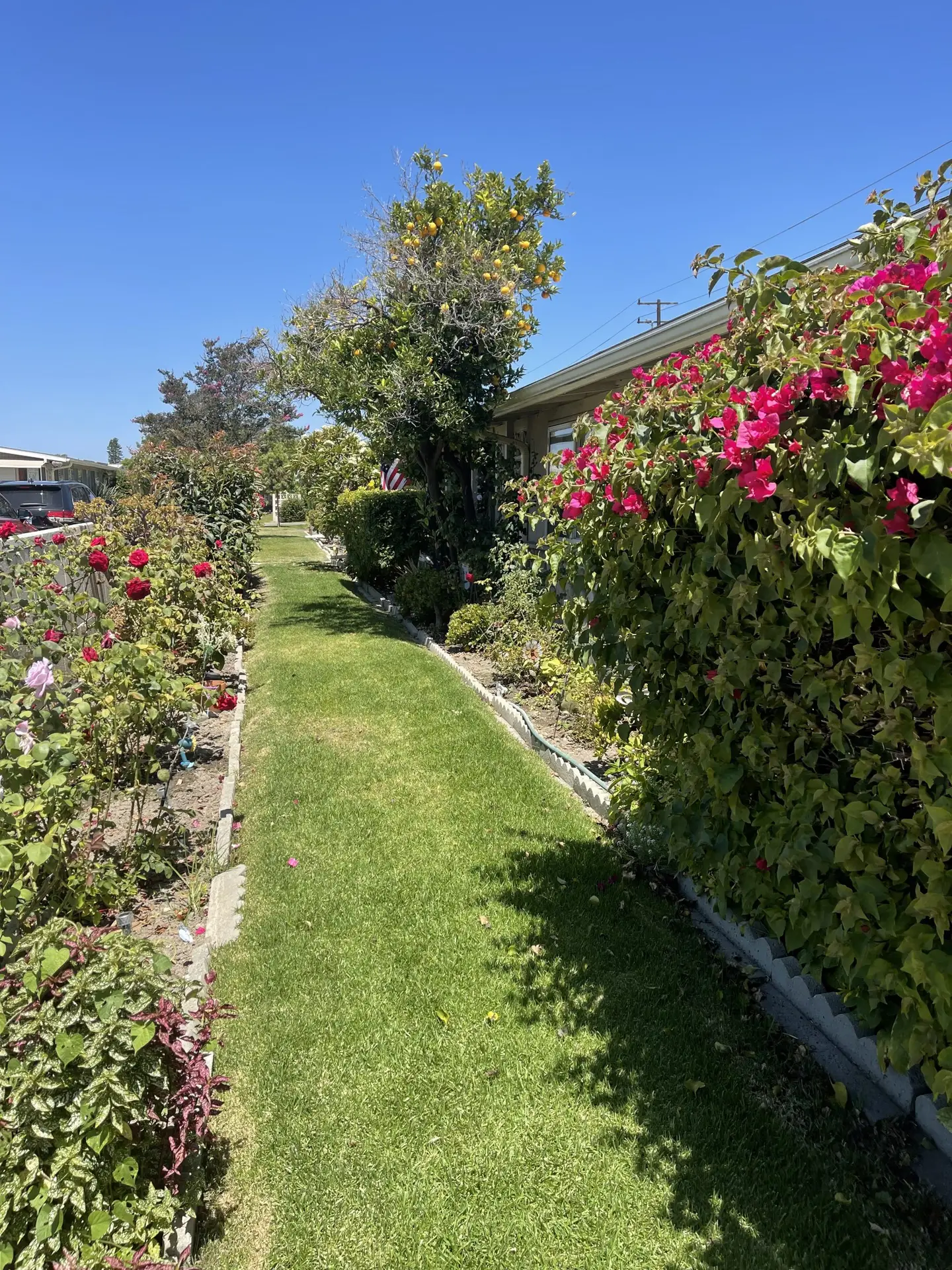
Leisure World Seal Beach vs Surrounding Communities: A Comprehensive Housing Comparison for 55+ Buyers
Leisure World Seal Beach is a large, age-restricted 55+ retirement community built around a stock cooperative ownership model, distinctive amenities, and bundled service structures that change how residents buy, live, and sell. This article helps prospective buyers and sellers evaluate Leisure World against nearby 55+ options by comparing ownership models, amenity depth, costs, market dynamics, and transaction mechanics so readers can make informed decisions. Many older adults and downsizers weigh predictability and community life against resale flexibility and financing options; understanding co-op mechanics, HOA coverage, and local market trends clarifies those trade-offs. Below we map what makes Leisure World unique, how its amenities and on-site services stack up, current market signals, differences in buying and selling, cost-of-living comparisons, and direct contrasts with nearby communities like Rossmoor and Huntington Beach 55+ options. Throughout the piece we use terms such as stock cooperative, mutuals, HOA fees, and co-op approval to align with common search queries like leisure world seal beach housing market trends and Leisure World Seal Beach cooperative living costs, while guiding readers toward practical next steps.
What Makes Leisure World Seal Beach Unique Among 55+ Communities?
Leisure World Seal Beach is defined primarily by its stock cooperative ownership, its 55+ residency requirement, an integrated amenity network, and community governance through mutuals that manage subsets of homes. This ownership model concentrates decision-making within mutual boards and shapes financing, resale approval, and monthly fee structures in ways that differ from condominiums or traditional single-family ownership. The community’s scale and bundled services—covering maintenance, security, and recreational programming—create a predictable monthly cost profile attractive to retirees seeking convenience and camaraderie. Understanding these structural differences is essential for buyers and sellers because they directly affect buyer pools, transaction timelines, and long-term affordability.
Leisure Living Resales specializes in Leisure World Seal Beach real estate and can assist buyers and sellers in navigating stock cooperative requirements, board approvals, and the typical prevalence of all-cash offers in this market. Their focused knowledge is useful when evaluating how ownership model differences translate into practical transaction steps and resale expectations.
How Does Cooperative Ownership Differ from Condominiums in Leisure World?
Cooperative ownership in Leisure World operates through ownership of shares in a mutual rather than a deeded condominium title, which means residents hold stock and a proprietary lease rather than fee title to a unit. This structure influences financing because many lenders restrict conventional mortgages for co-ops and buyers often use cash or specialty financing arrangements; the result is a narrower but often more liquid buyer pool for motivated local purchasers. Co-op boards review applications and approve prospective residents, creating a screening step absent in most condominium sales and adding time to closings. These mechanics affect resale value expectations and marketing approaches, as sellers must prepare documentation and anticipate board timelines when pricing and staging listings.
| Ownership Model | Primary Mechanic | Key Implications |
|---|---|---|
| Stock Cooperative (Leisure World) | Share ownership + proprietary lease | Board approval, common bundled fees, all-cash prevalence |
| Condominium | Deeded unit ownership | Easier mortgageability, broader buyer pool, fewer board constraints |
| Traditional Single-Family | Fee simple ownership | Highest mortgage access, independent maintenance responsibility |
This table clarifies that ownership type is more than a label: it shapes financing, buyer eligibility, and resale mechanics that directly influence market behavior.
What Are the Age Restrictions and Resident Qualifications in Leisure World?
Leisure World enforces a 55+ age restriction with resident qualification policies that include age verification, application submission, and mutual board review, ensuring the community remains focused on active adult living. Applicants typically submit documentation demonstrating eligibility and undergo review for residency approval; the board may consider factors like occupancy, compatibility with community rules, and proof of ability to meet financial obligations. Guest policies, caregiver allowances, and occupancy exceptions are handled at the mutual level, producing some variability between internal subdivisions known as mutuals. Buyers should expect an approval period as part of the purchase timeline and plan for documentation to avoid closing delays.
These qualification steps are related to co-op resale dynamics because the screening process narrows the buyer pool and requires sellers to present clean documentation and clear financial records for faster acceptance. Understanding resident qualification procedures helps prospective buyers prepare while enabling sellers to streamline their marketing materials.
How Do HOA Fees in Leisure World Compare to Other Senior Communities?
Monthly co-op or HOA fees in Leisure World bundle services such as building maintenance, security, recreational programming, and some utilities; this bundling increases monthly predictability compared with stand-alone ownership. Fees vary by mutual and unit size, but the value proposition lies in reduced out-of-pocket maintenance tasks and centralized service delivery. Comparing fees between communities requires examining covered services rather than simply the dollar amount, since comprehensive coverage can reduce other living expenses like landscaping or common-area repairs. For many retirees, the predictability and included services justify higher monthly dues when balanced against time, convenience, and safety.
| Fee Component | Typical Inclusion | Value Note |
|---|---|---|
| Maintenance & Repairs | Building envelope, common areas | Reduces homeowner maintenance burden |
| Security & Staffing | On-site security patrols | Enhances resident safety and peace of mind |
| Recreational Services | Clubhouses, activities, pools | Supports active lifestyle without extra fees |
This comparison shows that Leisure World’s fee model emphasizes bundled services that convert variable costs into a predictable monthly obligation, which can be advantageous for budgeting retirees.
How Do Amenities and Lifestyle in Leisure World Seal Beach Compare to Nearby Communities?
Leisure World’s lifestyle centers on extensive on-site amenities and organized social programming that support active aging, social engagement, and convenience for residents who prioritize community involvement. The availability of multiple clubhouses, recreational facilities, and coordinated events encourages daily activity and peer networks, while nearby non-gated 55+ options may emphasize proximity to beaches or downtown walkability instead. These differences mean buyers choose based on whether they prefer a self-contained amenity-rich environment or a neighborhood that offers more independent access to local retail, dining, and coastal amenities. Evaluating amenity depth and management models helps buyers match lifestyle preferences with community offerings.
What Amenities Does Leisure World Offer to Its Residents?
Leisure World provides a broad array of amenities designed for 55+ living, including recreational facilities, organized clubs, fitness spaces, and social venues that foster daily engagement and wellness. Typical amenity features include multiple clubhouses that host clubs and classes, outdoor recreational options, and on-campus programming that reduces the need to travel for social activities. These amenities support physical activity, creative pursuits, and community roles that many retirees value for mental and social well-being. The result is a lifestyle where social infrastructure and scheduled activities make participation straightforward and consistent.
Leisure World’s amenity set is a major reason many seniors choose the community, and assessing which specific facilities matter most helps narrow comparisons with other nearby 55+ options.
Leisure World offers several core amenities that promote active retirement living:
- Multiple clubhouses that host clubs and cultural events.
- Recreational facilities including pools and courts for regular exercise.
- Organized social programming that fosters peer networks and activities.
How Do Surrounding 55+ Communities’ Amenities Differ?
Nearby 55+ communities often present a different mix—some prioritize beach access and town-center convenience, while others offer smaller amenity footprints with fewer organized programs. Differences can include fewer on-site clubhouses, limited scheduled programming, or greater reliance on local businesses for social and recreational needs. Buyers who prioritize close access to downtown Seal Beach or coastal lifestyle may accept fewer on-site offerings in exchange for walkability and ocean proximity. Comparing the scale and management of amenities highlights trade-offs between community self-sufficiency and integration with the surrounding neighborhood.
When deciding between Leisure World and neighboring communities, buyers should weigh the value of on-site programming against the lifestyle benefits of external amenities and beachfront access.
What On-Site Medical and Support Services Are Available in Leisure World?
Leisure World emphasizes resident safety and convenience through on-site support services, which often include security patrols, emergency response protocols, and access to health-related resources coordinated within the community. These services reduce friction for residents who prefer on-campus support rather than relying on external providers, and they can include medical clinics, shuttle services to medical centers, or coordinated wellness programming depending on mutual offerings. The presence of on-site support influences resident confidence in aging-in-place and affects insurance and care planning decisions. Buyers who prioritize proximity to healthcare and emergency systems should evaluate the specific services each mutual provides.
Comparing medical and support services with nearby communities reveals whether external access or in-community supports better match a buyer’s healthcare needs and long-term plans.
| Community | Amenity | Availability / Notes |
|---|---|---|
| Leisure World | Multiple clubhouses & organized programming | High availability across mutuals |
| Nearby 55+ options | Beach access & local walkability | Fewer internal recreation facilities |
| Other local communities | On-site security & support services | Varies by community governance |
What Are the Current Real Estate Market Trends in Leisure World Seal Beach vs Surrounding Areas?
Current trends in Leisure World reflect the interaction between a specialized co-op ownership model and regional demand for 55+ housing, with particular emphasis on cash transactions, steady interest from downsizers, and stable demand tied to amenity-rich communities. The co-op structure narrows financing options for some buyers and tends to produce a buyer pool that values predictability and community life, which can moderate price volatility compared with unconstrained single-family markets. Market signals also depend on inventory levels and mutual-specific desirability, so localized trend tracking by mutual gives the most actionable perspective. For buyers and sellers, understanding cash prevalence, price stability, and inventory turnover clarifies realistic timelines and pricing strategies.
How Have Property Values in Leisure World Changed Recently?
Property values in Leisure World have generally tracked regional demand for 55+ housing with variations by mutual and unit condition, reflecting steady interest among buyers seeking amenity-rich, low-maintenance living. Value drivers include unit size, interior condition, and the specific mutual’s reputation and fee structure; these factors influence buyer willingness to pay and resilience to market shifts. Sellers should monitor comparable transactions within the same mutual to set realistic prices, while buyers benefit from working with specialists who understand the micro-market differences that affect values. Keeping an eye on recent closed sales and active listings helps both sides gauge momentum and price expectations in the current timeframe.
How Do Leisure World Property Prices Compare to Other Seal Beach Communities?
Leisure World units typically position differently versus typical Seal Beach single-family homes and deeded condominiums because of the co-op ownership model, bundled fees, and lifestyle trade-offs; this means apples-to-apples price comparisons require adjusting for ownership type and included services. In general, single-family homes near Seal Beach command higher raw purchase prices on a per-property basis, while co-op units often offer more predictable monthly expenses and lower maintenance burden for retirees. Buyers should evaluate total cost of living—monthly fees plus any out-of-pocket maintenance—rather than comparing list prices alone to determine true affordability between ownership types.
| Type | Price Signal | Buyer Consideration |
|---|---|---|
| Leisure World Co-op Units | Value tied to mutual, condition | Consider monthly fees and board rules |
| Deeded Condominiums | Mortgageable, broader pool | Weigh mortgage access vs. amenity coverage |
| Single-Family Homes | Higher purchase price, independent maintenance | Compare total ownership costs over time |
This compact comparison underscores why assessing both upfront price and ongoing cost structure is essential for a fair evaluation.
What Are the Resale Dynamics Unique to Leisure World’s Co-op Model?
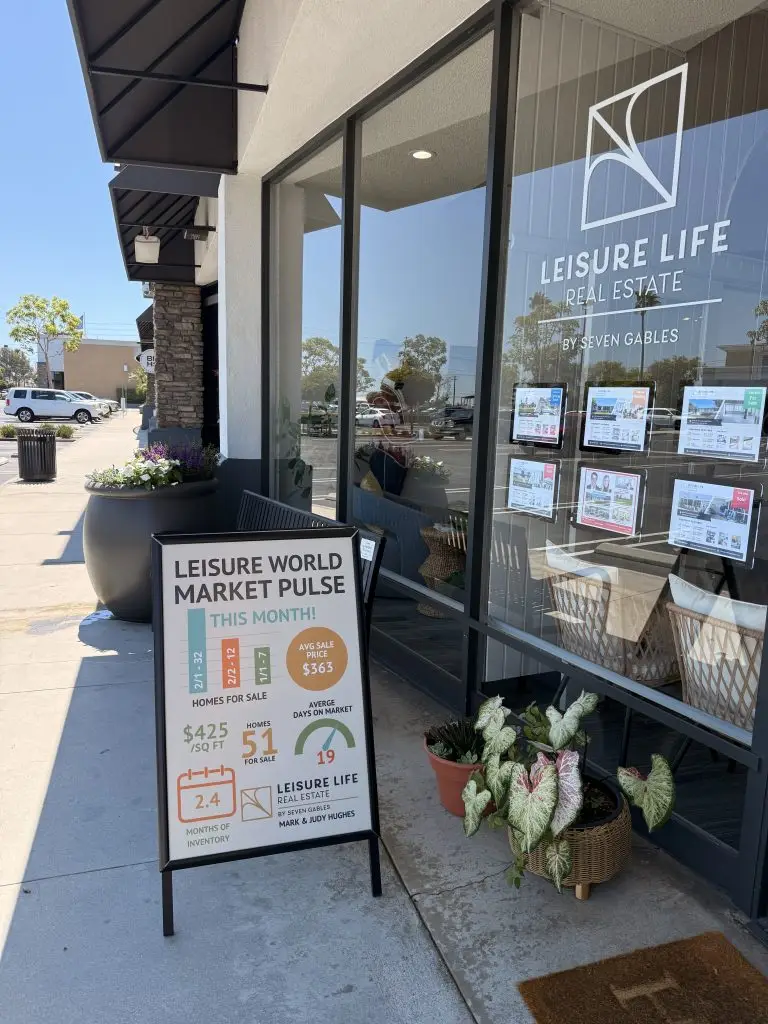
Resale dynamics in Leisure World are shaped by board approval procedures, a concentrated buyer pool, and the prevalence of cash transactions, all of which influence resale timelines and marketing tactics for sellers. The approval step requires sellers to prepare thorough documentation and anticipate screening periods, which can add time compared with conventional home sales; however, the right pricing strategy and targeted outreach to qualified buyers often produce efficient outcomes. Sellers should emphasize unit condition, readiness for board review, and transparent financial records to reduce friction, while buyers who can move quickly with cash or pre-approved financing are more competitive in this market.
Sellers and agents attuned to co-op-specific timelines and documentation requirements typically achieve smoother closings and more accurate valuation expectations.
How Does the Buying and Selling Process in Leisure World Differ from Traditional Real Estate?
Buying and selling in Leisure World follow a sequence that includes listing, application, board approval, and closing—a sequence that differs from traditional real estate primarily because of mutual governance and shareholder-based ownership. These differences create distinct checkpoints: buyers must be vetted by mutual boards, financing pathways are often narrower, and sellers must coordinate documentation for both the transaction and the approval process. Because of these tasks, working with agents familiar with Leisure World’s co-op mechanics reduces surprises and speeds closures by pre-qualifying buyers and managing board communications. Understanding the process and its checkpoints helps both buyers and sellers set realistic expectations for timing and requirements.
What Are the Steps to Buy a Home in Leisure World Seal Beach?
The buying sequence in Leisure World typically begins with identifying a listing, submitting an application for board approval, preparing funds (often cash or specialized financing), completing the mutual’s screening, and then closing the sale once approvals are granted. Each step requires documentation—proof of age, financial statements, and application forms—so buyers should collect these items early to avoid delays. Board review can add several weeks to a transaction, so timelines should reflect that screening window and any mutual-specific requirements. Buyers who anticipate these steps and coordinate documentation with their agent tend to experience smoother, more predictable closings.
- Find suitable listings within preferred mutuals.
- Submit application materials and proof of eligibility.
- Prepare funding (cash or allowable financing) and wait for board review.
- Complete closing once the mutual grants approval.
These steps emphasize how co-op mechanics insert governance checkpoints into a typical real estate transaction and why planning is essential.
Leisure Living Resales offers brokerage support tailored to these steps, helping pre-qualify buyers, assemble required documents, and liaise with mutual boards to reduce friction during approval and closing.
Why Is a Specialist Agent Essential for Leisure World Real Estate Transactions?
A specialist agent brings knowledge of mutual-specific rules, co-op approval expectations, and the typical buyer profiles that succeed in Leisure World, reducing surprises in both buying and selling processes. Specialists pre-screen buyers for cash readiness or acceptable financing, prepare sellers for documentation and board expectations, and design marketing strategies that highlight unit strengths within the co-op framework. By anticipating common approval questions and streamlining documentation flow, experienced agents shorten timelines and improve transaction certainty for clients. For complex co-op markets, specialist guidance often translates to higher success rates and fewer post-offer complications.
Agents versed in this market also help interpret fee structures, resale implications, and mutual variances so buyers can select the right mutual and sellers can present attractive, board-ready packages.
How Does Selling a Co-op in Leisure World Compare to Selling in Other Communities?
Selling a co-op requires additional seller preparation compared with typical condo or single-family sales because mutual boards review incoming buyers and documentation can influence closing timing. Sellers must gather financial statements, meeting minutes if relevant, and any mutual-specific disclosures to present a transparent package to prospective buyers and the board. Marketing strategies emphasize readiness for board scrutiny, immediate appeal to cash-ready buyers, and highlighting the inclusion of bundled services covered by monthly fees. While the buyer pool may be narrower, targeted outreach and clear documentation often produce strong outcomes when sellers and their agents align expectations and timelines.
Sellers who understand the approval process and preemptively address common board concerns often close faster and with fewer contingencies.
How Does the Cost of Living in Leisure World Seal Beach Compare to Nearby 55+ Communities?
Cost of living comparisons hinge on monthly HOA or co-op fees, the scope of included services, utilities, taxes, and personal spending patterns; Leisure World’s bundled-fee model shifts many maintenance and service costs into a predictable monthly payment. This predictability can reduce variable expenses for residents who would otherwise pay separately for landscaping, building repairs, or organized programming. However, fees vary by mutual and must be evaluated against what alternative communities include or omit from their dues. Retirees should map likely out-of-pocket costs for utilities, taxes, and discretionary spending to determine how the bundled model affects total monthly expenses.
What Are Typical Monthly HOA Fees and What Do They Cover?
Monthly co-op fees in Leisure World commonly cover building maintenance, common-area upkeep, some utilities, security, and organized recreational programming, consolidating many homeowner responsibilities into a single payment. Fee ranges depend on mutual size, unit footprint, and the extent of services, so buyers should review mutual budgets and reserve accounts to evaluate long-term stability. Assessing fee value requires looking at both current inclusions and historical fee adjustments to predict future costs. A detailed review of what is covered versus out-of-pocket responsibilities clarifies whether a given mutual’s fees present good value relative to alternative communities.
| Fee Category | Typical Coverage | Buyer Consideration |
|---|---|---|
| Maintenance & Repairs | Common-area upkeep, building repairs | Lowers individual maintenance obligations |
| Utilities | Some utilities included depending on mutual | Reduces monthly variability for retirees |
| Amenities & Programming | Clubhouse, activities, on-site services | Supports social engagement without extra bills |
This table demonstrates how fee breakdowns translate into predictable living costs and highlights the importance of mutual-level review.
How Do Utilities, Taxes, and Other Living Expenses Compare?
Utilities and property-related taxes differ by ownership model: co-op models may include certain utilities in fees while deeded properties typically allocate utilities and taxes directly to owners, affecting monthly cash flow and budgeting. Property taxes for stock co-ops are assessed differently than deeded properties and can alter the net monthly cost profile, so buyers should factor in tax treatment when comparing options. Other variable costs—transportation, healthcare, and discretionary spending—depend on lifestyle choices and local access to services, with walkable beach communities possibly reducing travel expenses compared to more self-contained leisure communities.
Understanding the interplay between included services and external expenses helps retirees project real monthly costs beyond headline fees.
What Financial Benefits Does Leisure World Offer to Retirees?
Leisure World’s bundled-fee structure provides financial predictability, reduced maintenance obligations, and access to community services that can lower external spending on recreation and security. For many retirees, shifting variable maintenance costs into a fixed monthly payment simplifies budgeting and reduces the time and effort needed for home upkeep. Additionally, on-site programming and transportation options can reduce discretionary expenses tied to leisure activities. Buyers should weigh these financial benefits against resale and financing trade-offs inherent in co-op ownership to determine whether total cost and lifestyle fit their retirement plans.
What Are the Key Differences Between Leisure World Seal Beach and Other 55+ Communities Near Seal Beach?
Comparing Leisure World with neighboring communities like Rossmoor and Huntington Beach 55+ options reveals contrasts in ownership, amenity scale, cost structuring, and proximity to coastal and downtown amenities. Leisure World’s co-op governance and bundled services make it a self-contained option for residents seeking active programming and on-site support, while Rossmoor and Huntington Beach alternatives may offer different balances of deeded ownership, walkability, or beach access. These differences influence buyer fit: some retirees prioritize structured community life and on-site services, while others prefer deeded ownership and access to the broader neighborhood.
How Does Leisure World Compare to Rossmoor Senior Living?
Leisure World and Rossmoor share the senior-living focus but differ in ownership structures, amenity emphasis, and community governance, which affects monthly costs and resident responsibilities. Rossmoor’s model may present deeded options or different governance characteristics that influence financing and resale. Buyers should contrast mutual-level rules, amenity breadth, and proximity to downtown services when deciding which community suits their lifestyle. In short, the choice often comes down to whether a buyer values the predictability and social programming of a co-op or prefers deeded ownership with different market mechanics.
What Are the Lifestyle Differences Between Leisure World and Huntington Beach 55+ Communities?
Huntington Beach 55+ options commonly emphasize beach access, outdoor coastal lifestyle, and proximity to local retail and dining rather than an enclosed, amenity-dense campus model. That coastal orientation appeals to buyers prioritizing ocean activities and walkable town centers, whereas Leisure World emphasizes on-site clubs, structured activities, and a gated community environment. Buyers considering these options should weigh the value of community-managed activities and centralized services against the freedom and neighborhood integration offered by coastal 55+ neighborhoods.
How Do HOA Fees in Leisure World Stack Up Against Other Senior Communities?
Comparing HOA fees requires assessing what is included: Leisure World’s fees often cover a broad suite of services and maintenance, whereas other communities may charge lower dues but require owners to pay separately for many services. Value assessment depends on lifestyle: those who use on-site amenities frequently will likely appreciate bundled services, while others who prefer minimal community programming may find lower-fee options more economical. Examining mutual budgets, reserve funds, and historical fee adjustments helps prospective buyers understand long-term cost trajectories when comparing communities.
What Should Prospective Buyers and Sellers Know About Living in Leisure World Seal Beach?
Prospective buyers and sellers should balance Leisure World’s lifestyle advantages—amenity depth, predictable fees, active programming—with co-op-specific constraints like board approvals, financing limitations, and resale considerations. Preparing documentation, understanding mutual differences, and aligning expectations about fees and governance are practical steps that reduce friction. For sellers, marketing strategies that emphasize board-ready documentation, clear unit condition, and exposure to qualified buyers improve outcomes. For buyers, targeted due diligence on mutual budgets and amenity usage clarifies long-term fit and financial sustainability.
What Are the Pros and Cons of Living in Leisure World Seal Beach?
Leisure World presents clear advantages and trade-offs that prospective residents must weigh as part of their decision process. The structured environment offers abundant social and recreational options, bundled services that simplify living, and on-site support that aids long-term stability. Conversely, limitations include age-restricted residency, co-op approval steps, and financing constraints that limit some buyers and can affect resale flexibility. Evaluating these pros and cons in the context of personal priorities—such as desire for community programming versus a preference for deeded ownership—helps buyers select the best housing match.
Pros of living in Leisure World include:
- Strong on-site social programming and club options that foster community.
- Predictable monthly fees that reduce maintenance burdens and budgeting uncertainty.
- On-site security and support services that enhance safety and convenience.
Cons of living in Leisure World include:
- Board approval and co-op governance that add transaction steps and potential restrictions.
- Financing constraints that often lead to a higher prevalence of cash transactions.
- Resale considerations tied to mutual reputation and documentation requirements.
How Does Leisure World Support an Active and Secure Retirement Lifestyle?

Leisure World supports active retirement living through scheduled programming, clubs, recreational facilities, and on-site services that promote physical health, social connection, and safety for residents. The integrated nature of programming reduces barriers to participation, as neighbors can easily join activities and access facilities without leaving campus. Security measures and emergency response protocols contribute to a sense of safety that is important for aging residents and their families. These supports combine to make the community especially attractive for retirees seeking both activity and peace of mind.
Where Can You Find Expert Guidance and Property Listings for Leisure World?
For targeted assistance in navigating Leisure World transactions, prospective buyers and sellers benefit from specialist brokerage services that understand stock cooperative requirements, board approval mechanics, and mutual-level differences. Leisure Living Resales operates as a lead generation and information hub focused on Leisure World Seal Beach and maintains property listings, an informational hub, and a qualification process to help match qualified buyers with suitable listings. Working with a specialist shortens approval timelines, clarifies fee and governance questions, and connects clients to listings that meet their needs.
Leisure Living Resales can assist with listing visibility, buyer qualification, and board-approval preparation tailored to the co-op model, helping clients move through transactions with greater confidence and fewer surprises.
Frequently Asked Questions
What types of financing options are available for purchasing a home in Leisure World?
Financing options for purchasing a home in Leisure World are somewhat limited due to the cooperative ownership model. Many buyers opt for cash transactions, as traditional mortgages are often not applicable. Some lenders may offer specialized financing for co-ops, but these options can be more restrictive. It’s essential for prospective buyers to consult with financial advisors familiar with co-op financing to explore available options and understand the implications of their choices on the buying process.
Are there any restrictions on guests or caregivers in Leisure World?
Leisure World has specific policies regarding guests and caregivers, which can vary by mutual. Generally, residents can have guests stay for a limited time, but longer stays may require notification to the mutual board. Caregivers are typically allowed, but residents must ensure that they comply with any regulations set by the mutual regarding caregiver access and responsibilities. Understanding these policies is crucial for residents who may need assistance or wish to host family and friends.
What is the process for selling a home in Leisure World?
Selling a home in Leisure World involves several unique steps due to the cooperative ownership structure. Sellers must prepare documentation for board approval, which includes financial statements and other relevant information. The process typically starts with listing the property, followed by vetting potential buyers through the mutual board. This additional layer of scrutiny can extend the timeline for closing, so sellers should be prepared for these requirements and work with agents experienced in co-op transactions to streamline the process.
How does the community governance in Leisure World affect residents?
Community governance in Leisure World is managed through mutual boards, which oversee the operations and rules of the cooperative. This governance structure can significantly impact residents, as board decisions influence everything from maintenance policies to community rules. Residents are encouraged to participate in board meetings and elections to have a say in community management. Understanding the governance model is essential for prospective buyers, as it shapes the living experience and community dynamics.
What types of social activities and clubs are available in Leisure World?
Leisure World offers a wide range of social activities and clubs designed to foster community engagement and active living. Residents can participate in various organized events, including fitness classes, arts and crafts, and social gatherings. There are also numerous clubs focused on hobbies, interests, and wellness, allowing residents to connect with like-minded individuals. This vibrant social scene is a key aspect of life in Leisure World, promoting friendships and a sense of belonging among residents.
What should buyers consider when comparing Leisure World to other 55+ communities?
When comparing Leisure World to other 55+ communities, buyers should consider several factors, including ownership models, amenity offerings, and community governance. It’s important to evaluate the depth of amenities, the structure of monthly fees, and the lifestyle each community promotes. Additionally, understanding the implications of co-op ownership versus deeded properties can influence long-term satisfaction. Buyers should also assess proximity to local services and personal preferences for community engagement to find the best fit for their retirement lifestyle.
How can prospective buyers prepare for the application process in Leisure World?
Prospective buyers can prepare for the application process in Leisure World by gathering necessary documentation early, such as proof of age, financial statements, and any required application forms. Understanding the mutual’s specific requirements and timelines is crucial, as board approval can take several weeks. Engaging with a real estate agent familiar with the co-op process can also help streamline the application and ensure that all materials are in order, reducing the likelihood of delays during the purchasing process.
Conclusion
Leisure World Seal Beach offers a unique blend of community-focused living, predictable monthly costs, and extensive amenities tailored for active adults. Understanding the nuances of cooperative ownership and the benefits of bundled services can empower buyers and sellers to make informed decisions. For those considering a move, exploring the available listings and connecting with a specialist can streamline the process and enhance the experience. Discover how Leisure Living Resales can assist you in finding the perfect home in this vibrant community today.