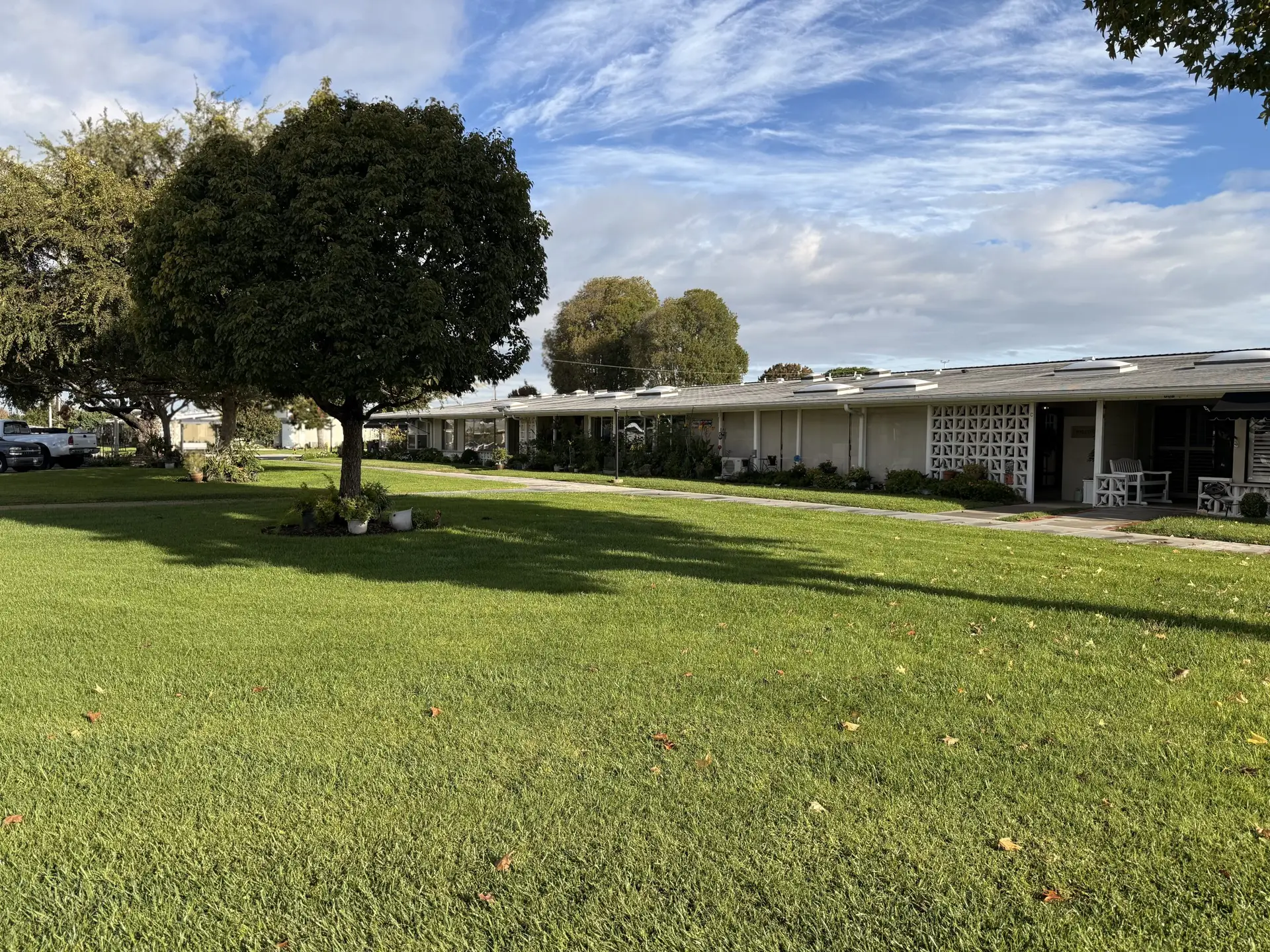
Discover Active, Connected Living at Leisure World
Leisure World Seal Beach is a purpose-built 55+ community where organized social life, abundant amenities, and service-rich living come together to keep residents active, healthy, and connected. This guide shows how a dense network of clubs, sports facilities, maintenance-free services, seasonal programming, and resident culture create everyday opportunities for engagement, wellbeing, and purpose. Many people considering Leisure World want practical answers about clubs, fitness options, safety and services, and the unique buying process for on-site stock cooperatives. This article responds with clear examples, quick-reference tables, and step-by-step participation tips. Read on to find clubs that match your interests, learn how sports and wellness programs support mobility and balance, see which amenities remove chores and increase security, understand how events and volunteering deepen connection, and get practical guidance for searching homes inside the community. The sections move from what life looks like day-to-day to how to act if you decide to join—making it easier to picture living in Seal Beach and decide whether Leisure World’s active, maintenance-free model fits your next chapter.
What Clubs and Organizations Can You Join at Leisure World Seal Beach?
Leisure World hosts hundreds of clubs and organizations across social, hobby, service, learning, and civic interests. Clubs thrive because they offer regular meeting schedules, clubhouse space, and a steady flow of members who trade skills and friendship—supporting mental health and predictable daily routines. Below is a short, representative list of club types and examples to help you quickly match personal interests to active groups and plan your first steps toward joining.
Leisure World features many clubs across interest areas:
- Garden Club: organizes plant exchanges, community plots, and seasonal workshops.
- Book Club: meets monthly for curated discussions and author spotlights.
- Bridge Club: hosts casual play and tournament-style sessions for card players.
- Golf League: coordinates tee times, match play, and social tournaments.
- Ceramics Studio Group: runs classes and shared studio sessions for pottery.
- Travel Club: plans group excursions and presentation nights about destinations.
These examples illustrate the range from casual meetups to structured skill-building groups and hint at recurring schedules and clubhouse use that make involvement reliable and easy to plan. The table below offers a quick comparison so you can scan meeting logistics and clubhouse assignments for several common clubs.
Leisure World clubs and their meeting logistics are summarized here so you can compare by interest and convenience:
| Club | Meeting Frequency / Typical Clubhouse | Typical Activities |
|---|---|---|
| Garden Club | Weekly; Clubhouse 2 | Gardening workshops, plant exchange, community plots |
| Book Club | Monthly; Clubhouse 3 | Group discussions, author visits, themed readings |
| Bridge Club | Twice weekly; Clubhouse 1 | Social play, tournaments, lessons for new players |
| Ceramics Studio Group | Weekly; Clubhouse 4 (studio) | Pottery classes, kiln sessions, member exhibitions |
| Golf League | Weekly; Clubhouse 5 (clubhouse/ course) | Tee times, league matches, social events |
This snapshot shows how clubs balance frequency, location, and activities so new residents can pick options that fit schedules and mobility. Knowing these practical details makes joining easier and smooths the transition into community life.
Which Social Clubs Foster Connection and Friendship?
Social clubs—dining groups, coffee mornings, travel circles, and support meetups—are among the quickest ways to build daily friendships and reduce isolation. These groups favor low-barrier attendance: drop-in coffee socials, communal dinners, and casual hobby meetups that quickly broaden your circle and create regular social rituals. Members report steady social contact, which supports mood and cognitive engagement because conversation and shared tasks stimulate memory and emotional wellbeing. To join, many new residents attend a public meeting or contact a club organizer listed on the community bulletin; most clubs welcome guests to try a meeting before committing.
Social involvement also opens volunteer roles and leadership opportunities that deepen purpose and belonging. If you’re exploring social clubs, consider attending a newcomers’ coffee or a beginner-friendly event to meet organizers and learn membership steps. That first visit often turns into a recurring calendar commitment that becomes part of your weekly routine and helps reduce loneliness over time.
How Do Arts, Crafts, and Learning Groups Enhance Resident Life?
Arts and lifelong learning groups—ceramics, quilting, music ensembles, lecture series—offer cognitive stimulation, purposeful projects, and public showcases that recognize residents’ skills. Programs typically include formal classes, peer-led workshops, and open studio hours where people collaborate and mentor newer participants, creating a rich learning culture within the retiree community. Creative practice supports fine motor skills and mental flexibility, and exhibitions or performances strengthen community recognition and pride. Joining an arts group often leads to steady practice, social collaboration, and chances to present work at seasonal shows—reinforcing identity and long-term participation.
These groups also spark cross-club collaborations, like gallery nights tied to social clubs or music fundraisers for service groups, making creative work a hub for wider community interaction. The next section moves from hobbies and learning to the physical facilities that support recreation and fitness.
How Does Leisure World Seal Beach Support an Active Lifestyle Through Sports and Recreation?
Leisure World combines on-site athletic facilities, structured programs, and outdoor spaces designed to help older adults maintain mobility, balance, and cardiovascular health. From a nine-hole golf course to multiple courts and pools, facilities are paired with leagues, lessons, and drop-in sessions that blend social play with fitness. Below is a compact list of primary facilities so you can see which options match your preferred activities and intensity. A comparison table follows for quick reference.
Primary sports and recreation facilities include:
- Nine-hole golf course: casual rounds, organized leagues, and social tournaments.
- Pickleball courts: open play, organized leagues, and beginner lessons.
- Swimming pools: lap swimming, water aerobics, and therapeutic aquatic programs.
- Bocce and shuffleboard courts: social games and club competitions.
- Fitness centers and walking paths: equipment-based workouts and group classes.
These facilities support both structured programs and casual activity so residents can choose what fits their health goals and social preferences. The table below compares availability, equipment, and program types to help you evaluate which amenities will support your routine.
| Facility | Availability | Program Types |
|---|---|---|
| Golf Course | Open daily; tee times | Casual rounds, league play, social tournaments |
| Pickleball Courts | Open daily; reservations possible | Open play, lessons, organized leagues |
| Swimming Pools | Scheduled hours; lanes & warm pools | Lap swimming, water aerobics, therapy classes |
| Fitness Center | Open with scheduled classes | Strength training, cardio equipment, group classes |
| Bocce / Shuffleboard | Scheduled times; courts | Social play, club competitions, instructional clinics |
This table clarifies how each facility operates and the programs to expect, helping prospective residents plan fitness routines and social engagements. The next section explains how residents access and schedule organized play.
What Sports Facilities Are Available for Residents?
Facilities at Leisure World are designed to be walkable or reachable by internal transportation and include multipurpose spaces that support both solo exercise and organized competition. Booking systems and league coordinators manage court reservations and tee times so residents can plan regular play without unexpected conflicts; popular slots may have waiting lists. With both competitive leagues and casual drop-in sessions, players at different skill levels find appropriate play, and lesson programs help newcomers build skills. Facility staff and volunteer coordinators publish seasonal schedules so you can align personal goals with group activities.
Accessibility features—handrails, ramped access, and senior-conscious equipment—help ensure safe participation, and social gatherings often follow athletic events to strengthen connections. Understanding the reservation and league systems makes it easier to move from a first visit to a scheduled weekly activity that supports long-term fitness.
Which Fitness and Aquatic Programs Promote Wellness?
Water-based classes, tai chi, yoga, and senior-focused strength training are core programs that promote balance, mobility, and cardiovascular health. Instructors tailor sessions to common age-related concerns; aquatic classes reduce joint stress while building endurance, and balance-focused classes lower fall risk by improving coordination. Registration is usually simple—sign up via community bulletin boards or program coordinators—and many classes offer trial sessions so you can test suitability before committing. Program fees, when required, are generally modest and offset by the health and social benefits of group participation.
Regular participation in wellness programs produces measurable gains in mobility and social connectedness. Linking fitness goals to club activities—walking groups, golf leagues, or studio practice—also helps sustain motivation. The next section shifts to the non-recreational amenities that make life maintenance-free and secure.
What Amenities Make Leisure World Seal Beach a Maintenance-Free and Secure Community?
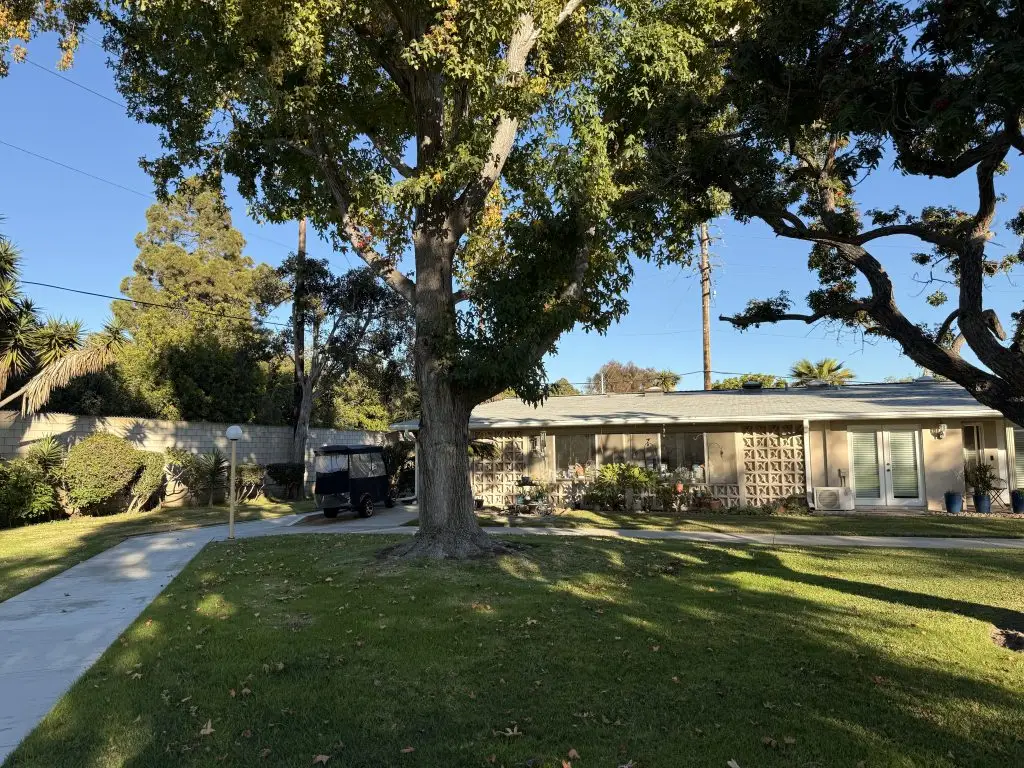
Leisure World’s maintenance-free model relies on shared services, multiple clubhouses, and community-managed systems that take routine chores off residents’ plates so they can focus on activities and relationships. Key amenities include a network of clubhouses for programs, on-site healthcare partnerships, security measures, and internal transportation—together they create a predictable, supported daily life. The list below highlights the most impactful amenities that reduce home upkeep while improving safety and convenience. A short table that follows maps clubhouse functions to common resident uses.
Core amenities that enable maintenance-free, secure living:
- Clubhouses: hosted classes, dining, meetings, and events across several locations.
- On-site healthcare partnerships: convenient access to medical services and preventive care.
- Security and gated systems: community oversight that supports resident safety.
- Transportation system: scheduled rides for shopping, medical appointments, and events.
These services are coordinated to minimize errands, centralize support, and offer accessible options for residents who prefer to drive less or skip home maintenance. The table below outlines clubhouse roles so you can see how different buildings support events, classes, and administrative needs.
| Clubhouse | Primary Functions | Typical Uses |
|---|---|---|
| Clubhouse 1 | Meetings & dining | Large social events, community meals |
| Clubhouse 2 | Recreation & classes | Fitness classes, hobby workshops |
| Clubhouse 3 | Arts & learning | Lectures, arts studios, exhibits |
| Clubhouse 4 | Studios & rentals | Ceramics, craft studios, rentals |
| Clubhouse 5 | Administration & golf | Administrative services, golf clubhouse |
This layout shows how each clubhouse specializes in different activities, helping residents decide where to attend events or hold club meetings. The next section describes how clubhouses operate as community hubs and how residents use them to organize activities.
How Do Clubhouses Serve as Community Hubs?
Clubhouses are the social and functional centers where classes, performances, dining, and administrative services come together—making them central to daily life and community identity. Each clubhouse usually offers dedicated spaces—auditoriums, studios, meeting rooms, and dining halls—that clubs and committees reserve for recurring events, creating a steady rhythm of activity through the week. Residents rely on clubhouse calendars to coordinate volunteer work, rehearsals, and seasonal festivals, and these buildings provide the infrastructure needed for communitywide programming. Booking and staffing are managed by community administration and volunteer coordinators, which keeps scheduling predictable and accessible for resident groups.
By concentrating events and services, clubhouses reduce travel, increase convenience, and make social and recreational life highly visible. That concentration also encourages chance encounters that broaden social networks beyond single-interest circles.
What On-Site Services Support Health and Safety?
On-site services—partnered medical providers, emergency response systems, and security protocols—are organized to deliver timely care and reduce barriers to healthcare access. Partnerships with local healthcare organizations offer clinics, preventive care, and referral networks that tie into community services and transportation for appointments. Security measures and gated access help monitor entry and support coordinated emergency responses, while internal transport services assist residents who prefer not to drive. Together, these systems back both everyday wellness and crisis readiness.
Clear procedures for contacting medical partners, scheduling transport, and activating emergency protocols give residents confidence in their safety and support network. That security helps people stay active and engaged in community life without undue concern about everyday logistics. The next section shows how social events and seasonal programming enrich resident experience.
How Do Social Events and Community Life Enrich Resident Experiences?
Social events, seasonal festivals, and volunteer opportunities form the cultural heart of Leisure World, offering regular moments for celebration, learning, and contribution that anchor the resident calendar. Signature events—amphitheater concerts, holiday festivals, and seasonal fairs—gather large groups and create shared memories, while smaller gatherings like potlucks and lecture nights give newcomers easy ways to meet neighbors. Volunteering and committee work turn social energy into civic improvements and program delivery, giving residents meaningful roles and visible impact. The examples and participation tips below explain typical event types and how to get involved.
Typical seasonal and large-scale events residents enjoy include:
- Amphitheater concerts and community performances.
- Holiday festivals with crafts, food, and family-friendly activities.
- Seasonal fairs and markets showcasing resident arts and clubs.
These events combine entertainment with chances to volunteer, sell crafts, or perform—strengthening ties across clubs and interest groups. The following section describes recurring seasonal programs and how they’re usually organized.
What Seasonal Festivals and Performances Are Offered?
Seasonal festivals and amphitheater programming add variety all year long, from summer concert series to holiday celebrations featuring resident performers and visiting acts. Events are typically posted on community calendars and club bulletins and often include market booths, food, and inter-club showcases that spotlight resident talents. Ticketing or RSVP practices vary by event size—larger concerts sometimes require reservations, while smaller gatherings are often drop-in. Resident involvement in planning and performing is common, offering ways to take part both onstage and behind the scenes.
These recurring programs create planning anchors for clubs, volunteer teams, and small businesses that support community life. The next section explains how volunteering and committee roles deepen involvement for new residents.
How Can Residents Participate in Volunteer and Community Gatherings?
Volunteer and committee roles are available across event staffing, club coordination, maintenance support, and social services—offering practical ways to share skills and time. New residents usually sign up at volunteer fairs, via bulletin boards, or by contacting committee chairs; many roles are flexible and include training or shadowing for newcomers. Serving on a committee or leading a club builds leadership experience and visibility, which often speeds social integration and purpose-driven activity. Short-term event volunteering is an excellent first step and often leads naturally to longer-term roles or club membership.
Volunteer participation boosts individual wellbeing—through purpose and achievement—and strengthens community resilience by keeping events and services resident-led and responsive to local needs. The following section summarizes why these elements make Leisure World a strong option for active retirement living.
Why Is Leisure World Seal Beach Ideal for Active Retirement Living?
Leisure World’s mix of location, scale, amenities, and resident-driven culture creates an environment that supports active retirement. Health-focused programs pair with abundant social options and convenient services. Coastal proximity and a mild climate invite year-round outdoor activity, while the density of clubs and facilities offers daily choices for meaningful engagement. Community scale and governance coordinate services and events so people with varied mobility and interests can stay involved. Below are concise points about location advantages and resident perspectives that explain why this model supports both activity and wellbeing.
Location and environment advantages include:
- Mild coastal climate that supports outdoor walking, gardening, and events year-round.
- Close access to Seal Beach amenities for cultural outings and county services.
- Community scale that concentrates programs, healthcare support, and social opportunities.
Together, these features create predictable chances for movement, creativity, and social contact—key ingredients for longevity and life satisfaction. The next two sections expand on location benefits and how residents describe daily life.
What Makes the Community’s Location and Environment Appealing?
Leisure World’s coastal setting in Seal Beach offers temperate weather and easy access to beaches, parks, and cultural amenities—supporting outdoor exercise, scenic walks, and frequent outings. Nearby urban services provide healthcare and shopping, while the community’s design concentrates daily needs to reduce travel. Mild weather extends outdoor program seasons and lets clubs meet outside more often, boosting walking and fresh-air exposure—factors linked to better mood and physical health. These geographic advantages make it practical and pleasant to weave outdoor activity into daily routines.
Combined with internal transportation options, coastal access means residents who prefer not to drive can still reach attractions and essential services, reinforcing the community’s maintenance-free appeal.
How Do Residents Describe Their Active and Engaging Lifestyle?
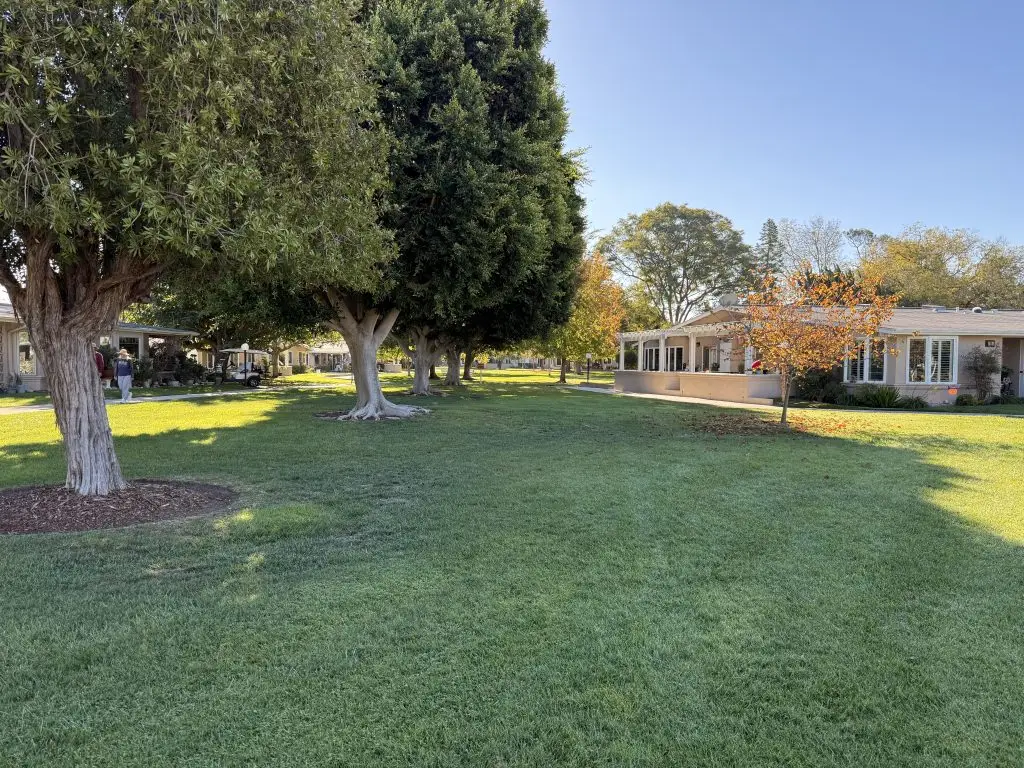
Residents often describe days that start with a walk or fitness class, include midday hobby meetings or studio time, and end with evening concerts or dining clubs—creating variety and purpose. Common stories emphasize how easy it is to find peers with similar interests, a steady calendar of activities, and satisfaction from volunteering or leading clubs. That regular rhythm—exercise, social engagement, learning, and service—supports physical resilience and mental wellbeing, producing a lifestyle many call active and deeply social. These resident experiences show how amenities, clubs, and events keep people engaged across different seasons of life.
Knowing typical routines helps prospective residents imagine how to fit personal priorities—health, hobbies, social life—into available activities and services.
How Can You Explore Homes and Real Estate Opportunities in Leisure World Seal Beach?
Exploring homes in Leisure World means understanding property types, cooperative ownership mechanics, and transaction norms that differ from typical resale markets—especially stock cooperative structures and common all-cash expectations. Prospective buyers should follow a clear sequence: learn ownership differences, gather current listings from specialists, and prepare documentation and financing plans that align with board approval and cooperative underwriting. Below is a short, actionable list to move from curiosity to offer preparation, followed by a compact table comparing property types and transaction notes for quick reference.
Steps to explore homes and prepare for a purchase:
- Understand ownership types and how stock cooperatives differ from condominiums.
- Compile current listings and neighborhood information from specialists familiar with onsite rules.
- Prepare for all-cash norms or cooperative underwriting and begin board-approval paperwork early.
These steps help buyers prioritize information and set realistic expectations before viewing properties or making offers. The table below contrasts typical property categories and key transaction considerations to guide next moves.
| Property Type | Ownership Type / Typical Price Range | Transaction Notes |
|---|---|---|
| Stock Cooperative | Cooperative share ownership; scope varies | All-cash norms common; board approval required |
| Condominium | Deeded unit ownership | Conventional financing may be possible; review HOA rules |
| Resale Apartments | Cooperative shares or condos | Verify underwriting, reserve requirements, and approval steps |
This quick comparison shows why working with a specialist matters: cooperative mechanics and approval processes affect timelines and offer structure. The following section explains what buyers should know about stock cooperatives and cash transactions.
What Should Buyers Know About Stock Cooperatives and All-Cash Transactions?
In a stock cooperative, buyers purchase shares in a corporation that give the right to occupy a unit rather than a deeded property—so underwriting, resale processes, and board approval differ from standard real estate. Co-op transactions often prioritize liquidity and financial qualification, so all-cash offers or cooperative-specific financing paths are common. Board approval usually includes application packets, background checks, and interviews, so preparing documents and understanding timelines reduces surprises. Prospective buyers should also learn how occupancy agreements, monthly assessments, and cooperative governance affect long-term costs and lifestyle.
Being informed about these differences helps buyers focus inspections, financial readiness, and timing so they can make competitive offers and navigate board processes smoothly. The next section describes how local, specialized agents support buyers through these steps.
How Does Leisure Living Resales Support Your Home Search?
Leisure Living Resales specializes exclusively in properties within Leisure World Seal Beach and serves as a local information hub and brokerage focused on the community’s cooperative and condominium market. As specialists, our team provides curated property searches, clear guidance on stock cooperative mechanics, help with board-approval paperwork, and full representation for buying or selling inside the community. Many of our agents live in the community or serve on local boards, so we translate inside knowledge about cooperative underwriting and clubhouse logistics into practical, transaction-focused advice. Prospective buyers and sellers can request tailored property lists, schedule consultations, or ask for guidance specific to stock cooperatives and all-cash transaction expectations through Leisure Living Resales.
Our role is to simplify the cooperative transaction path—matching clients with appropriate listings, explaining approval steps, and advising on timing and documentation so offers and closings proceed with fewer surprises. If you’re ready to explore listings or discuss selling in the community, contact Leisure Living Resales for a personalized property list or consultation.
Frequently Asked Questions
What types of fitness classes are available for residents at Leisure World Seal Beach?
Leisure World offers a range of fitness classes tailored to older adults, including water aerobics, tai chi, yoga, and strength training. Instructors adapt sessions to participants’ needs to improve balance, mobility, and cardiovascular health. Many classes run on a regular schedule so you can easily build them into your week, and trial classes are often available so newcomers can try a program before committing.
How can new residents get involved in community events and activities?
New residents usually start by attending orientation sessions, joining clubs, or signing up for volunteer opportunities. Clubs often host open meetings or social events where you can meet members and learn about ongoing activities. Community calendars and bulletin boards list upcoming events, and volunteering at an event is a fast way to meet neighbors and feel part of the community.
Are there any special considerations for residents with mobility challenges?
Leisure World is designed with accessibility in mind: walkable paths, ramps, and handrails are common throughout the community. Many facilities accommodate mobility needs, and fitness programs include modifications so everyone can participate safely. The community also runs transportation services for residents who prefer or need assistance getting around, ensuring access to activities and amenities regardless of mobility level.
What types of social events are most popular among residents?
Popular social events include amphitheater concerts, holiday festivals, and themed potluck dinners—events that foster community spirit and connection. Smaller gatherings like book clubs and hobby workshops are also well attended and offer steady opportunities to build friendships. The community calendar is full of varied activities, so there’s usually something appealing happening throughout the year.
How does the community support residents' health and wellness?
Leisure World supports health and wellness through regular fitness programs, on-site healthcare partnerships, and wellness workshops. Scheduled classes focus on strength, balance, and cardiovascular health, while local healthcare partners provide convenient medical services. Wellness workshops on topics like nutrition and mental health help residents make informed choices. This combined approach gives residents the resources and support to lead active, healthy lives.
What are the benefits of joining clubs and organizations within the community?
Joining clubs and organizations brings social interaction, skill development, and leadership opportunities. Clubs cover many interests—from gardening to arts and crafts—so you can pursue hobbies and meet like-minded neighbors. Participation fosters a sense of belonging and can improve overall wellbeing. Many clubs also offer volunteer roles, letting members contribute to community events and projects and deepen their connection to community life.
Conclusion
Leisure World Seal Beach offers a vibrant, maintenance-free community where active living is supported by diverse clubs, recreational facilities, and essential services tailored for older adults. By making it easy to connect, stay active, and reduce everyday chores, the community lets residents focus on what matters most—friends, hobbies, and purpose. If you’re curious to learn more or ready to explore listings, reach out to our specialized team for personalized help. Discover how you could become part of this thriving community.