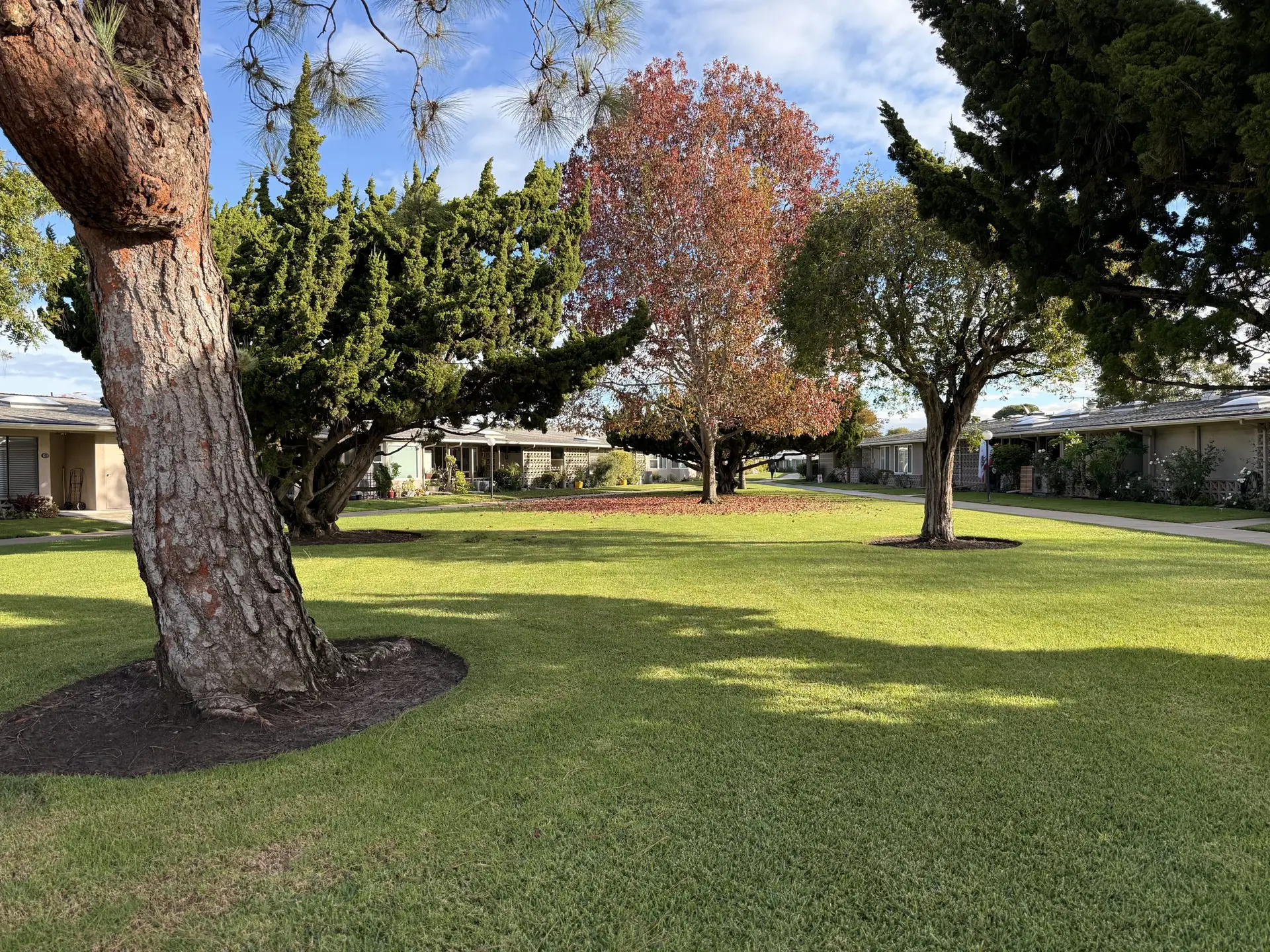
Discover Active Living at Leisure World Seal Beach
Leisure World Seal Beach is a purpose-built 55+ community centered on active, social living. Its recreation pillars — a nine-hole golf course, an aquatic center with therapeutic programs, multiple clubhouses and hobby rooms, plus a full schedule of fitness and cultural events — are designed to support a healthy, engaged retirement. This guide explains each facility, how clubs and organized activities boost social and physical wellbeing, and how fitness, on-site wellness services, and safety measures work together to make daily life both rewarding and secure. Many buyers and new residents judge communities by amenity access and program depth; knowing Leisure World’s offerings helps you assess whether the lifestyle fits your priorities and which neighborhoods place you closest to the amenities you value. Throughout, we point to community structures such as the Golden Rain Foundation and local communications like the community weekly so you know where to find current schedules and updates.
What Are the Key Recreation Facilities at Leisure World Seal Beach?
Leisure World’s recreation centers focus on four core assets: a nine-hole golf course with practice areas, an aquatic center (pool and spa), several clubhouses that host dozens of clubs and classes, and a fitness center with equipment and group studios. Each facility doubles as a social hub, offering programs—leagues, water aerobics, art workshops, strength classes—that encourage regular participation and peer connection. Easy walking access or short drives to these amenities often increases a home’s appeal, since proximity makes frequent involvement more likely. The brief comparison below helps you see the main features of each facility, typical programs, and why location matters for buyers seeking certain activities.
The table below compares the principal recreation facilities, their key attributes, and why they matter to residents.
| Facility | Main Features | Typical Programs |
|---|---|---|
| Golf Course (9-hole) | Compact layout, practice green, seasonal leagues | Weekly leagues, clinics, social tournaments |
| Aquatic Center | Heated pool, therapeutic spa, lap lanes | Water aerobics, lap swim, therapy sessions |
| Clubhouses | Meeting rooms, kitchens, hobby spaces | Arts & crafts, card games, dances, lectures |
| Fitness Center | Cardio and strength equipment, group studio | Chair yoga, tai chi, resistance classes |
This compact comparison shows how each facility supports health, connection, and property demand, and it naturally leads into more details on the golf course and aquatic center.
What Features Does the Leisure World Golf Course Offer?
The Leisure World golf course is a nine-hole layout with practice areas suited to a range of abilities and doubles as a social gathering place where leagues and clinics meet regularly. The design favors shorter, senior-friendly holes and accessible tees so players can enjoy rounds at a comfortable pace, making regular play realistic for older adults. Residents commonly join weekly leagues, attend clinics to sharpen fundamentals, or play relaxed social rounds that double as time with friends—activities that support both fitness and community. Homes within easy walking distance to the course often attract buyers who want daily golf access. Reviewing the golf schedule and league sign-up process will help new players find peers at a matching pace.
Accessible, well-run golf facilities are a major draw for many older adults seeking an active community lifestyle.
Golf Participation Among Older Adults and Community Benefits
Golf is widely popular among adults 55 and older; many say the social connection is as important as the sport itself when choosing to play.
Why do older adults play golf? An evaluation of factors related to golf participation by older adults, BJ Stenner, 2019
How Does the Aquatic Center Enhance Senior Wellness?
The aquatic center combines a heated pool, lap lanes, and a therapeutic spa to offer low-impact yet effective exercise options that help with balance, joint pain, and cardiovascular fitness. Water aerobics, lap swim times, and therapy sessions are adapted for different mobility levels, creating an accessible entry point for residents who need gentle, consistent activity. Regular pool participation supports rehabilitation and preventive fitness; instructors tailor movements for balance and strength, and programs often coordinate with on-site health services for safety and referrals. For many residents the pool becomes part of a daily wellness routine and a place to socialize while improving health.
Note from Leisure Living Resales: proximity to the golf course, aquatic center, and main clubhouses can increase buyer interest. Our team helps match buyers to homes near the amenities they value most.
How Many Clubs and Social Organizations Can Residents Join at Leisure World?
Leisure World hosts more than 200 clubs and organized groups covering hobbies, arts, sports, volunteer service, and lifelong learning—one of the broadest club ecosystems in 55+ communities. That range means residents can find both niche-interest groups and large social activities, making it easy to connect with peers who share your interests. Clubs meet across several clubhouses and dedicated rooms and publish meeting schedules in the community calendar and weekly updates so newcomers can plan participation. The mini-directory below groups typical club types, their focus, and how often they usually meet to help you find a place to start.
The following table organizes common club categories, their typical focus, and meeting cadence.
| Club Category | Focus | Typical Meeting Frequency |
|---|---|---|
| Arts & Crafts | Painting, ceramics, fiber arts | Weekly or every other week |
| Sports & Games | Bocce, bridge, card games | Weekly leagues or sessions |
| Performing Arts | Choirs, community theater | Weekly rehearsals; seasonal productions |
| Service & Volunteer | Community outreach, charity projects | Monthly meetings and events |
A large club network supports casual socializing and meaningful leadership roles, and it sets the stage for how clubs contribute to wellbeing and connection.
The network of social clubs is central to the Leisure World experience, helping residents build friendships and a strong sense of belonging.
Social Clubs Empower Senior Citizens Through Friendship and Sociability
Social clubs promote friendship and sociability among older adults; recognizing this social capital is important because clubs are a defining part of the senior living experience.
Empowering senior citizens via third places: research driven model development of seniors’ empowerment and social engagement in social places, 2013
What Types of Clubs Are Available for Leisure World Residents?
Club offerings range from creative arts and card or board game groups to music ensembles, theater, fitness leagues, and service organizations. Some clubs run multi-week workshops, while others—like card groups and bocce leagues—meet weekly to build routine. Meeting spaces vary from full clubrooms with kitchens to smaller hobby studios. Detailed contact information and club chairs are listed in the community directory and the weekly newsletter. Sampling groups during orientation events and meet-and-greets is the quickest way for new residents to find a few regular commitments that fit their interests.
How Do Clubs Support an Active and Connected Retirement Lifestyle?
Clubs create repeated social contact, purposeful activity, and leadership opportunities that help counter isolation and support mental stimulation—key contributors to retirement satisfaction. Membership often provides roles (organizer, instructor, treasurer) that add structure and responsibility, which research links to improved emotional wellbeing in older adults. Clubs also run outreach projects that deepen residents’ sense of contribution beyond leisure. Regular participation tends to correlate with higher reports of happiness, ongoing cognitive engagement, and a broader network of social support for everyday and emergency needs.
Leisure Living Resales can help prospective buyers find homes near favorite clubhouses and social hubs, and our agents advise on HOA processes when club proximity affects buying decisions.
What Fitness and Wellness Programs Are Offered at Leisure World Seal Beach?
Leisure World’s fitness and wellness programs include group classes for balance and mobility, a fitness center with cardio and resistance equipment, aquatic programs, and coordination with on-site health services for screenings and referrals. Programs emphasize low-impact, evidence-informed approaches—chair yoga, tai chi, and water aerobics—that lower fall risk and build functional strength. Fitness staff and health services work together so residents can participate safely, with tailored modifications and guidance. The table below summarizes core fitness offerings, accessibility features, and who benefits most from each.
| Program | Accessibility Features | Benefits / Best For |
|---|---|---|
| Chair Yoga | Seated options, assistive props | Flexibility and balance support |
| Tai Chi | Slow, controlled sequences | Fall prevention and coordination |
| Strength Training | Light weights, resistance bands | Muscle maintenance and functional strength |
| Water Aerobics | Buoyancy-assisted, low-impact | Joint-friendly cardio and mobility |
This comparison clarifies how class type and access features match resident needs and leads into examples of beginner-friendly schedules and facility details.
Having a variety of physical activity options—indoors and outdoors—is essential to supporting active lifestyles in retirement communities.
Physical Activity Features in Retirement Communities for Older Adults
Visibility and availability of indoor and outdoor activity features strongly influence participation in physical activity among older adults living in retirement communities.
A Joseph, 2006
Which Fitness Classes and Facilities Are Available for Seniors?
Typical offerings include chair yoga, tai chi, low-impact aerobics, strength training with bands or machines, and water-based classes; many run several times a week to fit different schedules. The fitness center provides accessible machines and staff- or volunteer-led orientations so new users learn equipment safely; instructors routinely offer modifications for chronic conditions and mobility limits. Beginners are encouraged to start with introductory classes or supervised sessions; many programs use staged progressions so participants can increase intensity safely. These structured options support steady improvements in strength and balance that translate into everyday independence.
How Does On-Site Health Care Support Wellness Programs?
On-site health services complement recreation by offering wellness screenings, fall-risk assessments, and referrals that guide residents to appropriate class intensity or therapeutic services. Health staff host educational workshops and collaborate with instructors to adapt exercises for residents with chronic conditions, creating a safety net that broadens participation. Regular screenings and check-ins can catch mobility changes early and prompt adjustments to fitness plans or referrals to physical therapy when needed. This coordination builds participant confidence, which helps sustain attendance and long-term benefits.
What Community Events and Outdoor Activities Can Residents Enjoy?
Leisure World’s events calendar includes amphitheater performances, seasonal festivals, lecture series, and smaller social gatherings. Outdoor amenities—walking paths, bocce and shuffleboard courts, and community gardens—invite both casual recreation and organized competition. Amphitheater and clubhouse events draw volunteers and resident performers, adding cultural variety beyond fitness programming. Outdoor spaces are designed for accessibility, with paved paths, benches, and shade so residents with different mobility levels can join in. The list below outlines common event categories and how they encourage participation year-round.
Common event types in Leisure World include:
- Concerts and performing arts that offer cultural engagement and volunteer roles.
- Holiday and seasonal festivals that welcome families and whole-community participation.
- Educational talks and lecture series that support lifelong learning and civic involvement.
These cultural offerings complement fitness and club activities; the next section describes amphitheater programming in more detail.
What Types of Events Are Held at the Leisure World Amphitheater?
The amphitheater hosts concerts, community performances, and seasonal celebrations that mix resident talent with visiting performers to create a varied year-round schedule. Typical programming includes musical acts, theater productions, and holiday events that attract wide attendance and volunteer support; many shows also partner with clubs for fundraising and staging. Schedules shift by season, with outdoor activity peaking in milder months, and organizers publish calendars in the community weekly and on posted bulletins so residents can plan ahead. Visual promotion and announcements invite residents to attend, volunteer, or audition for community productions.
Which Outdoor Activities and Gardens Are Accessible to Residents?
Outdoor options include well-kept walking paths, assigned garden plots for resident horticulture, and courts for bocce and shuffleboard that host both casual play and league competition. Community gardens usually operate with plot assignments and volunteer coordinators, creating opportunities for social exchange and therapeutic gardening. Bocce and shuffleboard leagues provide regular social schedules and friendly competition. Paved paths, resting spots, and nearby facilities make these outdoor activities approachable for people with varying mobility and often serve as meeting points for clubs and informal get-togethers. These resources expand recreation beyond scheduled classes and performances into daily routines for movement and connection.
How Does Leisure World Seal Beach Ensure a Safe and Supportive Recreation Environment?
Safety at Leisure World combines physical security measures, accessible design, and active resident involvement through volunteer leadership and club governance to create predictable, secure recreation spaces. Recreational security includes community patrols, posted emergency procedures at major venues, and staff or volunteer monitors during events—all intended to reduce response times and increase participant confidence. Facilities are built with ADA-minded entries, ramps, and accessible seating to support participation across mobility levels. Volunteer networks and club leaders often serve as on-site coordinators during events and help arrange accommodations, reinforcing both safety and social cohesion.
The following checklist highlights practical safety features to look for when evaluating recreation options.
- Visible security presence and clear emergency procedures posted at facilities.
- Accessibility elements such as ramps, handrails, and accessible restrooms.
- Volunteer and staff coordination for events, including trained monitors and first-aid readiness.
This checklist outlines tangible safety components and leads into specifics about security and resident involvement.
What Security Features Protect Residents During Recreational Activities?
Recreation venues use designated staff or volunteer monitors, posted emergency instructions, and coordinated response protocols to streamline care for injuries or medical incidents during classes or events. Facilities keep clear signage and accessible pathways to allow entry for emergency personnel when needed, and orientation sessions for new participants typically include safety briefings. At larger events, volunteer marshals or facility staff manage crowds and conduct welfare checks for vulnerable attendees, reducing risk and speeding assistance. Residents are encouraged to register supplemental medical information with community services so responders can act quickly and appropriately in an emergency.
How Does Community Involvement Enhance Recreation Experiences?
Resident volunteerism, club leadership, and event coordination expand program variety, reach, and safety by providing organizers, instructors, and peer mentors for many activities. Volunteer-run classes and events often reflect participant abilities and preferences more closely, and leadership roles let residents shape schedules, content, and accommodations. This grassroots involvement builds ownership and flexibility in the recreation ecosystem, helping programs adapt as resident interests and needs change. Volunteer leaders strengthen social networks and give participants meaningful purpose while improving program quality for everyone.
How Can New Residents Get Involved in Leisure World Recreation Options?
New residents can follow a simple sequence to get plugged in: attend a community orientation, check the community calendar and weekly listings, contact club chairs or facility coordinators to express interest, and attend introductory sessions or open houses to sample activities. Orientation events explain facility locations and registration procedures; the community weekly and posted calendars provide up-to-date schedules, contacts, and meeting spaces. Subscribing to announcements and scanning bulletin boards speeds discovery. We recommend trying several activities in the first few weeks to find a comfortable routine that matches your goals and energy. The step-by-step list below offers a practical onboarding path.
Steps for getting involved as a new resident:
- Attend an official community orientation to learn facility locations and how to register.
- Check the community calendar and weekly announcements for current schedules and contacts.
- Contact club chairs or facility coordinators to ask about trial sessions or volunteer roles.
- Try one or two regular meetings or classes for 4–6 weeks to see what fits.
Following these steps helps new residents build habits and social ties; the next section explains formal membership and registration processes.
What Is the Process to Join Clubs and Register for Activities?
Joining a club usually starts by contacting the club chair or attending an interest meeting, completing simple membership paperwork if required, and paying modest dues when applicable; many clubs welcome trial attendance before committing. Class or league registration may happen at facility desks or during posted sign-up periods, and popular programs can fill quickly—early inquiry helps secure a spot. New residents should confirm whether a club requires specific equipment, participation thresholds, or orientation sessions to ensure safety and accessibility. Starting with trial sessions and following posted sign-up steps helps newcomers balance commitment with enjoyment.
Where Can Residents Find Schedules and Updates for Recreation Programs?
Residents find schedules and updates through the central community calendar, the weekly community publication, bulletin boards in clubhouses, and direct contact with club chairs or facility coordinators. These channels post class times, league schedules, and event notices; subscribing to announcements and checking bulletin boards regularly helps you track seasonal changes and special events. Building relationships with club chairs and facility staff gives you personalized guidance on upcoming programs, waitlists, and accommodations. Regularly consulting these resources makes it easier to plan participation and meet fellow residents.
Leisure Living Resales assists newcomers prioritizing proximity to specific amenities or clubhouses; our local market knowledge helps align home searches with recreational priorities and guides buyers through any HOA considerations tied to facility access.
Frequently Asked Questions
What are the benefits of joining clubs at Leisure World?
Joining clubs at Leisure World gives you social connection, opportunities to learn new skills, and a ready-made community. Clubs cover arts, games, fitness, and volunteer work, letting you meet people who share your interests. Regular participation reduces isolation, supports mental wellbeing, and creates chances to take on meaningful roles like officer or instructor. Those relationships and responsibilities often enrich daily life and strengthen neighborhood ties.
How can residents stay informed about community events?
Residents stay informed through the central community calendar, the weekly publication, and bulletin boards in clubhouses. These sources list class times, leagues, and special events. Subscribing to announcements and keeping in touch with club chairs or facility coordinators gives you timely, personalized updates. Checking these channels regularly helps you plan and catch seasonal or last-minute changes.
Are there any health services available on-site for residents?
Yes. On-site health services support recreation with wellness screenings, fall-risk assessments, and referrals to appropriate classes or therapies. Health staff often work with fitness instructors to adapt exercises for chronic conditions, which improves safety and effectiveness. This integrated approach helps residents participate with confidence and supports ongoing health goals.
What types of outdoor activities are available for residents?
Outdoor options include accessible walking paths, community garden plots, and courts for bocce and shuffleboard. These spaces support both casual recreation and organized competition, and they provide inviting places for socializing. Accessibility features—paved paths, benches, shade—help residents of varying mobility levels enjoy outdoor activities comfortably.
How does Leisure World promote safety during recreational activities?
Leisure World promotes safety through visible security, accessibility design, and active resident involvement. Measures include staff or volunteer monitors at events, posted emergency procedures, and ADA-friendly facilities. Together these elements help participants feel secure and supported while they enjoy activities.
What steps should new residents take to get involved in activities?
New residents should attend a community orientation, review the community calendar and weekly announcements, reach out to club chairs or facility coordinators, and try introductory sessions. Sampling a few activities helps you find the right fit for your interests and energy. Volunteering is also a quick way to meet people and help shape programs.
Can residents participate in volunteer opportunities within the community?
Absolutely. Many clubs and events rely on resident volunteers for organizing, instructing, and running activities. Volunteering strengthens community life and gives residents a sense of purpose. To find roles that match your skills and interests, ask club leaders or community coordinators about current needs.
Conclusion
Leisure World Seal Beach offers a lively retirement lifestyle built around diverse recreational facilities, active social clubs, and coordinated wellness programs. Joining activities promotes physical health, creates meaningful friendships, and builds a sense of belonging. Explore the community calendar, attend an orientation, and try a few clubs or classes to discover what fits your routine and interests. If you’re house-hunting with amenities in mind, Leisure Living Resales can help match you with homes near the places you’ll use most—so you can start enjoying this active, connected life right away.