Why Property Values in Leisure World Seal Beach Are on the Rise: Insights and Expert Analysis for 2025
As we step into 2025, Leisure World Seal Beach continues to experience a positive trend in property values, fueled by consistent buyer interest, limited inventory, and a lifestyle that deeply resonates with the 55+ community. This article delves into the reasons behind the rising property values in Leisure World, the impact of the stock cooperative ownership model on pricing and liquidity, and what both buyers and sellers can anticipate from current market trends. Readers will gain valuable insights into the community’s amenities and coastal benefits, a data-driven overview of market signals for 2024–2025, practical tips for navigating co-op transactions, and actionable planning steps tailored for retirees and investors. Our analysis draws on local market dynamics, ownership mechanics, and demand patterns driven by residents, illustrating how these factors work together to support property appreciation. Following this introduction, we will explore community features, key value drivers, market statistics, the co-op model, lifestyle influences, and a forward-looking perspective that includes practical checklists for buyers and sellers.
What Makes Leisure World Seal Beach a Top Choice for 55+ Living?
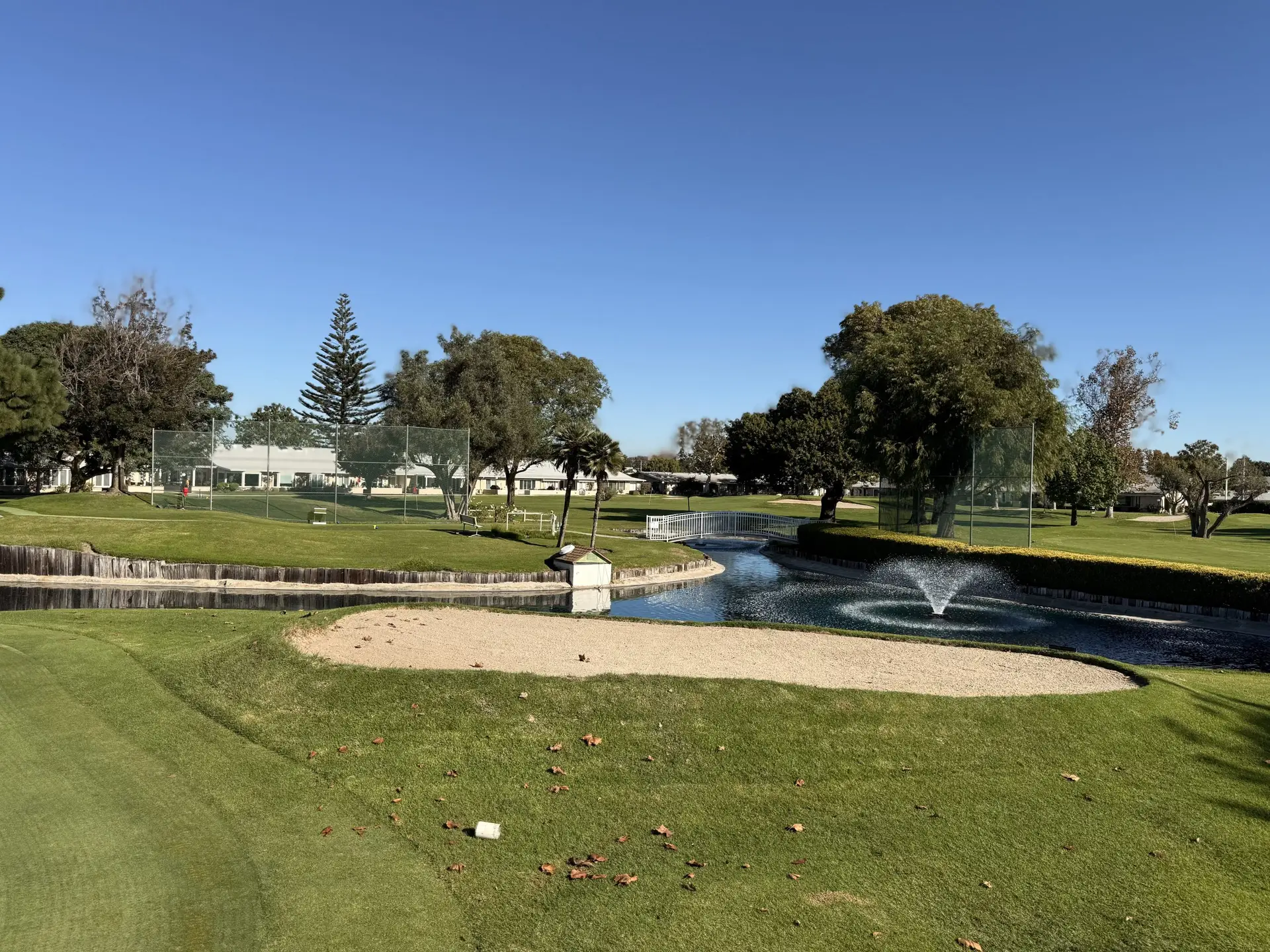
Leisure World Seal Beach is a thoughtfully designed 55+ active adult community, distinguished by its rich array of amenities, on-site services, and a governance model that streamlines maintenance and programming. These structural elements minimize ownership hassles and foster a predictable living environment that many retirees cherish, encouraging a willingness to invest in their homes. The community’s strong reputation for a vibrant social life, well-maintained grounds, and easy access to regional attractions creates a solid demand foundation that informs pricing trends. Understanding these features clarifies why retirees and those looking to downsize often choose Leisure World over other options, setting the stage for a closer examination of how lifestyle and location enhance property value.
How Do Lifestyle and Location Boost Property Values in Leisure World?
The lifestyle offerings at Leisure World—such as organized clubs, recreational programs, and social events—cultivate a sense of community that buyers highly value when selecting a retirement destination. The proximity to Seal Beach’s coastline and regional amenities adds a coastal premium: access to pleasant weather, beach activities, and nearby healthcare and shopping options enhances desirability. This blend of a well-managed social environment and favorable geography mitigates relocation risks for buyers, supporting sustained demand and price stability. These lifestyle and location benefits naturally lead us to discuss the specific amenities and services that most significantly influence buyer choices.
Lifestyle Amenities and Housing Price Appreciation
and experienced faster housing price appreciation, especially : Do natural or manmade lifestyle amenities really matter for demand for urban lifestyle amenities stemming from revealed
Beautiful city: Leisure amenities and urban growth, GA Carlino, 2019
Which Amenities and Services Drive Demand in the 55+ Community?
Within Leisure World, a core set of amenities and HOA-covered services significantly contribute to the community’s market appeal and resale strength. Frequently highlighted features include golf courses and clubhouses for social interaction, pools and fitness centers for health and wellness, and security and maintenance services that alleviate daily ownership responsibilities. These elements create a maintenance-free living experience that is particularly appealing to older buyers who prioritize convenience, safety, and social engagement. The next section will explore the primary market forces—demand, scarcity, HOA value, and coastal premium—that collectively drive appreciation in Leisure World.
What Are the Key Drivers Behind Rising Property Values in Leisure World Seal Beach?
Property values in Leisure World are on the rise due to a focused set of interconnected drivers: stable demand from the 55+ demographic, tight supply constraints, the advantages of maintenance-free living through HOA services, and the premium associated with the coastal location. Each of these drivers reinforces the others—consistent demographic demand heightens competition for a limited pool of units, while HOA-managed living and coastal desirability enhance the effective value of each unit. Together, these dynamics create upward pressure on prices and reduce downside volatility compared to more speculative markets. To unpack these factors, the following subsections will delve into demographic demand, inventory constraints, HOA value, and the coastal premium, starting with the demographic tailwinds.
How Does Sustained Demand from the 55+ Demographic Influence Prices?
The 55+ demographic generates a consistent buyer pool with preferences that lean towards active adult communities and lower-maintenance ownership models. This demand profile tends to be less sensitive to price fluctuations regarding features like security, community programs, and proximity to healthcare, which helps maintain steady pricing even when broader markets experience shifts. In essence: Leisure World (entity) attracts (relationship) retirees seeking community and convenience (entity), and that attraction translates into lasting demand. Because the buyer pool recirculates—resales often go to other retirees—this steady turnover helps preserve value and mitigates the risk of rapid depreciation.
Why Does Limited Inventory and Growth Restrictions Increase Property Value?
Supply constraints in and around Seal Beach limit the capacity for new construction to meet the demand for 55+ units, concentrating competition on existing stock cooperative units. When new supply is restricted by land-use regulations and community boundaries, price sensitivity shifts toward available units, shortening negotiation windows and increasing sold-price-to-list-price ratios. This scarcity effect drives up median values as buyers compete for a fixed supply of desirable units. The next subsection will examine how maintenance-free living and bundled HOA services further amplify that scarcity-driven premium.
How Do Maintenance-Free Living and HOA Services Add Value?
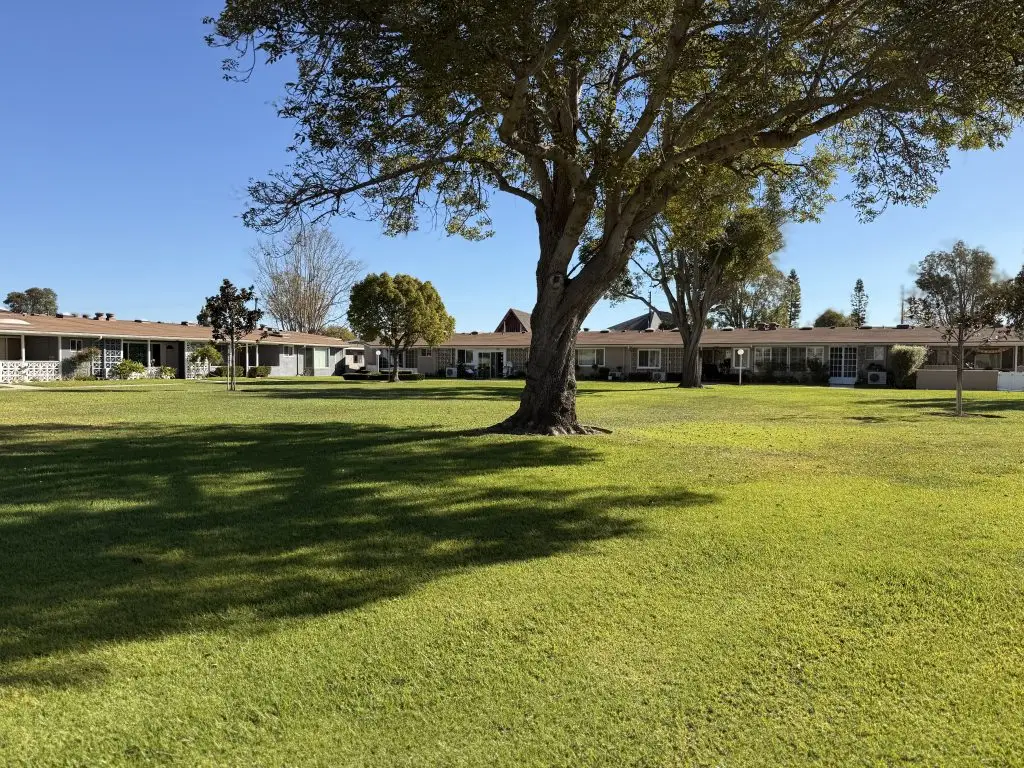
HOA-managed services in Leisure World lower ownership costs by covering exterior maintenance, landscaping, and many communal utilities, simplifying long-term residency decisions. These services function as bundled offerings: buyers acquire both a unit and predictable service coverage that alleviates future maintenance surprises. The chart below summarizes common HOA-covered services and the perceived resale benefits of each, clarifying why units with comprehensive HOA coverage tend to command higher prices.
| Service Category | Typical HOA Coverage | Value to Buyer |
|---|---|---|
| Exterior Maintenance | Building exteriors, roofing oversight | Reduces unexpected repair costs and preserves curb appeal |
| Landscaping & Grounds | Lawn care, tree trimming, common-area upkeep | Ensures consistent aesthetics and neighborhood standards |
| Security & Access | Gated entry, patrols, emergency response coordination | Increases perceived safety and supports aging in place |
| Clubhouse & Recreation | Pools, fitness centers, organized activities | Enhances lifestyle value and social connectivity |
This table illustrates the importance of bundled services: each covered service reduces ownership friction and enhances resale appeal, which contributes to overall community value. The next subsection will explore how Seal Beach’s coastal location further compounds these value drivers.
What Role Does Seal Beach’s Coastal Location Play in Property Appreciation?
Seal Beach’s coastal proximity adds a tangible lifestyle premium through access to beautiful beaches, scenic amenities, and a temperate climate that many retirees prioritize for health and recreation. Coastal access typically translates into a higher baseline for desirability compared to inland alternatives, elevating what buyers are willing to pay for comparable units. The ocean-adjacent location also supports a robust secondary market of nearby services and conveniences that reinforce property values. With these location advantages clarified, the article will now turn to market trend signals and statistics for 2024–2025 to illustrate how these drivers are reflected in recent activity.
What Are the Latest Market Trends and Statistics for Leisure World Seal Beach in 2024-2025?
Recent market signals for Leisure World in 2024–2025 indicate tighter inventory, competitive days-on-market behavior, and a continued upward trajectory in median price tiers for typical co-op units. While exact numerical medians may vary by source, the consistent pattern across local reporting shows moderate year-over-year appreciation and brisk resale activity for well-priced and updated units. Below is a compact EAV-style snapshot that summarizes comparative status for one-bedroom, two-bedroom, and renovated units using commonly reported attributes to convey market posture without relying on a single data feed.
| Unit Type | Market Indicator | Typical 2024–2025 Signal |
|---|---|---|
| One-Bedroom Co-ops | Median price trend | Above broader regional baseline; steady demand |
| Two-Bedroom Co-ops | YoY change | Moderate increase; premium for updated units |
| Renovated Units | Days on market | Shorter DOM when priced competitively; strong interest |
This snapshot reveals that renovated units and larger floor plans often attract quicker sales and higher premiums. After reviewing the snapshot, the following paragraphs will analyze median pricing signals, sales volume, and how stock cooperative pricing compares to other local property types.
What Are the Current Median Home Prices and Year-over-Year Growth Rates?
Current median price signals in Leisure World reflect modest but steady year-over-year increases rather than volatile spikes, with renovated and larger units showing superior performance. Multiple local reporting channels typically reveal a banded pricing structure where one-bedroom, two-bedroom, and renovated units occupy distinct median ranges, and buyer competition intensifies at the upper end of each band. For buyers and sellers, interpreting these medians requires attention to condition and amenity inclusion, as the cooperative model bundles service value into overall pricing. The next subsection will examine sales volume and days-on-market as indicators of market heat.
How Do Sales Volume and Days on Market Reflect Market Competitiveness?
Sales volume and average days on market (DOM) serve as practical indicators of buyer urgency and pricing precision: lower DOM combined with consistent sales volume suggests limited supply relative to demand. In Leisure World, competitive listings—those properly staged and priced—tend to move quickly, while units needing work often remain listed longer, widening negotiation windows. For sellers, DOM trends indicate how tight the market is and guide pricing strategy; for buyers, DOM informs how swiftly offers must be prepared. With volume and DOM context established, the following section will compare cooperative pricing dynamics to other local property types.
How Do Stock Cooperative Prices Compare to Other Property Types?
Stock cooperative units in Leisure World operate within their own valuation framework that emphasizes shares, proprietary leases, and HOA inclusion rather than direct real estate title comparables used for condos or single-family homes. This ownership structure often leads to distinct price bands: co-op pricing reflects both the physical unit and the benefits of bundled services, while nearby condos and homes carry different cost drivers like land value and independent maintenance responsibilities. Renovation quality and unit layout also create price dispersion within the co-op category, with remodeled units commanding the highest per-unit premiums. Understanding these valuation differences is crucial before delving into the co-op ownership mechanisms and transaction considerations discussed next.
How Does the Unique Stock Cooperative Ownership Model Affect Property Values?
A stock cooperative is an ownership model where buyers purchase shares in a corporation that owns the community buildings and receive proprietary leases to occupy specific units; this model centralizes governance and maintenance decisions. This structure influences value through limited transferability, an approval process for new residents, and an embedded cost structure reflected in HOA fees and rules. The co-op model narrows the buyer pool to those comfortable with share ownership and cooperative governance, yet it can also foster stability as memberships self-regulate standards and usage. The subsections below will break down the benefits and challenges for buyers and sellers and explain how local agent expertise can significantly impact transaction outcomes.
What Are the Benefits and Challenges of Buying and Selling Co-Op Units?
Purchasing a co-op unit offers advantages such as community control, shared amenity access, and predictable maintenance management, but it also presents challenges like a formal approval process, limited financing options, and lower liquidity compared to fee-simple properties. The co-op approval board typically reviews applications, creating a screening step that affects timelines and potential buyer eligibility. For sellers, the co-op model necessitates careful documentation and coordination to manage transfer mechanics and attract qualified buyers who understand share-based ownership. The table below compares key aspects of co-op transactions to help buyers and sellers weigh their options.
| Co-op Aspect | Benefit/Challenge | Market Impact |
|---|---|---|
| Approval Process | Challenge: Board review required | Slows timeline but preserves community standards |
| Financing | Challenge: Limited conventional lending | Favors all-cash or specialized financing, affecting buyer pool |
| Share Ownership | Benefit: Community governance | Provides stability and can support premium pricing |
| Liquidity | Challenge: Tighter resale market | May lengthen selling timelines compared to condos |
This comparison clarifies that co-op transactions require careful planning and specialist support. The next subsection will explain how local expertise—specifically that of Mark Hughes and Leisure Living Resales—can help navigate these nuances.
Understanding Limited Equity Cooperatives and Share Sales
Cooperative Ownership Structure A housing cooperative is a
allows the cooperative owner to sell the cooperative share to
Limited equity cooperatives: The non-economic value of homeownership, 2015
How Does Mark Hughes’s Expertise Help Navigate Co-Op Sales?
Mark Hughes and the team at Leisure Living Resales bring a wealth of local expertise to Leisure World Seal Beach transactions, blending resident insights with community-board experience to streamline co-op processes. Mark’s residency and board membership provide practical knowledge about approval timelines, common documentation challenges, and pricing strategies that alleviate uncertainty for clients. Leisure Living Resales positions itself as a go-to resource for navigating the stock cooperative sales process, offering tailored guidance for sellers on staging and pricing, and for buyers on assessing value drivers and meeting board expectations. If you’re preparing to buy or sell within Leisure World, consulting a specialist with direct cooperative experience can shorten timelines and reduce procedural risks while aligning expectations with market realities.
How Does the Leisure World Lifestyle Influence Property Desirability and Value?
The Leisure World lifestyle—focused on social programming, reliable amenities, and maintenance-free living—creates a self-reinforcing desirability that supports long-term value retention. Residents appreciate daily convenience, on-site engagement opportunities, and services that facilitate aging in place, and prospective buyers factor these attributes into their offers. This lifestyle foundation minimizes the likelihood of deferred maintenance and fosters a repeat buyer pool familiar with community norms, which in turn supports downstream resale pricing. The following subsections will detail which amenities matter most and explain how active adult living underpins appreciation.
Which Community Amenities Enhance Resident Satisfaction and Market Appeal?
Several amenities consistently drive buyer interest and resale premiums in Leisure World, including recreational facilities, health-supporting services, and spaces for organized social interaction. The list below highlights the most impactful amenities and why buyers prioritize them, recognizing that combinations of these features often yield the highest perceived value.
- Golf and Recreation Facilities: Offer exercise and social interaction that appeal to active retirees.
- Clubhouses and Organized Programs: Foster community engagement and reduce the risk of isolation.
- Security and Maintenance Services: Provide safety and lower ownership burdens that many older buyers value.
How Does Active Adult Living Support Long-Term Property Appreciation?
Active adult living encourages predictable resident turnover and a stable buyer pool, as community norms and amenities attract like-minded purchasers over time. This demographic stability reduces price volatility since resales typically appeal to the next wave of retirees seeking similar lifestyle features rather than speculative investors. Social cohesion and on-site support services also diminish the likelihood of deferred maintenance and help preserve building quality, which in turn supports long-term appreciation. Understanding this dynamic aids buyers and sellers in setting appropriate renovation priorities and informs realistic expectations about investment horizons.
What Is the Future Outlook for Property Values in Leisure World Seal Beach?
Near-term and medium-term prospects for property values in Leisure World are shaped by ongoing demographic trends, constrained local supply, and the premium that buyers place on maintenance-free, amenity-rich coastal living. These factors suggest sustainable appreciation potential, albeit at a measured pace linked to broader economic conditions and interest-rate environments. For buyers and sellers, actionable strategies—such as pricing competitively, prioritizing key renovations, and understanding co-op procedural timelines—can significantly influence outcomes. The final subsections will outline supporting trends for sustained growth and provide practical planning steps that integrate market realities with personal retirement objectives, concluding with how Leisure Living Resales can assist those planning a move.
What Market Trends and Demographic Shifts Support Sustained Growth?
Key trends supporting continued value stability include an aging population cohort seeking active adult communities, a limited pipeline of new supply in Seal Beach, and buyer preferences that favor bundled, low-maintenance living. These forces create a demand structure that is more predictable than in general housing markets, favoring communities that uphold high amenity standards. Policy and land-use restrictions around coastal areas also contribute to supply-side limitations, which is a structural factor supporting long-term appreciation. Given these trends, buyers and sellers should plan with conservative time horizons and a focus on condition and amenities that maintain marketability.
How Should Buyers and Sellers Plan for Investment in Leisure World Real Estate?
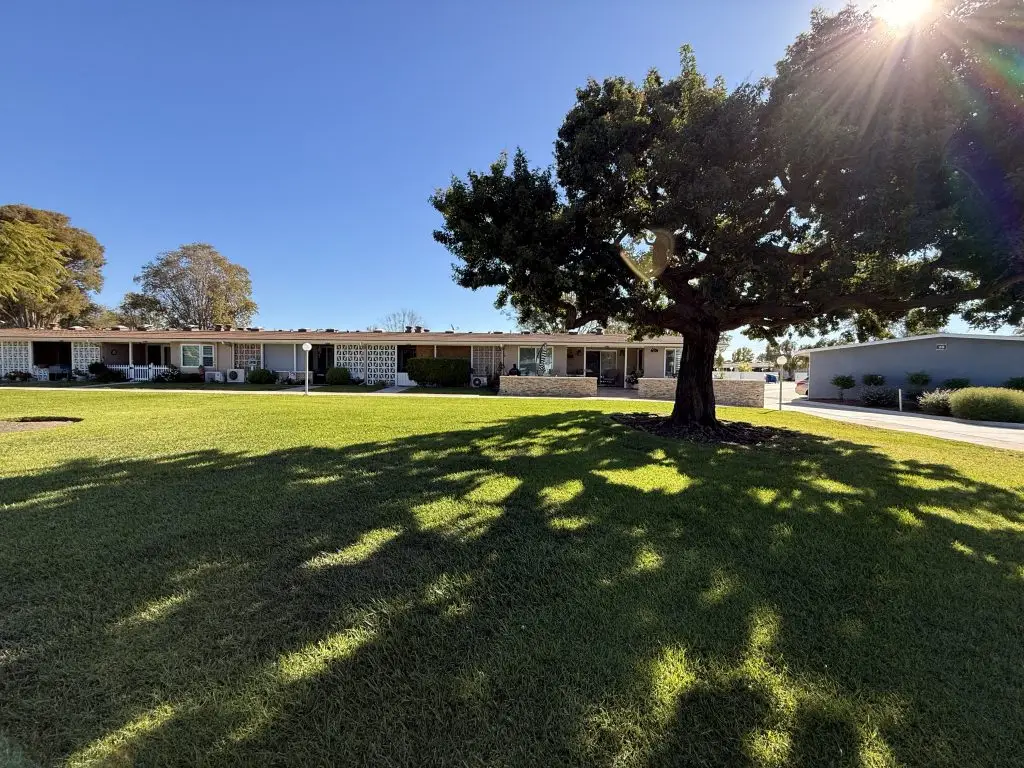
Buyers and sellers should approach Leisure World transactions with structured checklists that reflect the co-op model, condition priorities, and timing considerations. Sellers benefit from staging, clear documentation of HOA-covered services, and pricing aligned with recent sales of comparable unit types. Buyers should prepare for co-op approval procedures, prioritize inspections and condition-based value, and consider financing constraints—often favoring liquid or specialized financing solutions. Leisure Living Resales offers market analysis and listing strategies tailored to Leisure World Seal Beach; for readers planning a move, requesting a focused market consultation will align pricing, timing, and transaction mechanics with current 2025 market realities.
For prospective clients, Leisure Living Resales serves as a hyper-local brokerage and information hub led by Mark and Judy Hughes, concentrating expertise on Leisure World Seal Beach sales and the stock cooperative process. Their resident perspective and community-board experience equip them to provide targeted guidance on pricing, staging, and procedural navigation that can shorten timelines and reduce transactional risk. If you are considering investment or lifestyle moves within Leisure World, reach out for a market consultation to evaluate your goals and the specific value drivers relevant to your unit type.
Frequently Asked Questions
What types of financing options are available for purchasing co-op units in Leisure World?
Financing options for co-op units in Leisure World can be somewhat limited compared to traditional real estate purchases. Many buyers prefer all-cash transactions due to the unique ownership structure of co-ops, which involves purchasing shares in a corporation rather than owning real property outright. Some specialized lenders do offer financing for co-ops, but these may come with stricter requirements and higher interest rates. It’s crucial for buyers to consult with financial advisors who are familiar with co-op transactions to explore the best financing solutions available.
How does the approval process for co-op purchases work in Leisure World?
The approval process for purchasing a co-op unit in Leisure World typically involves a review by the co-op board. Prospective buyers must submit an application that includes financial documentation and personal references. The board evaluates applicants based on their financial stability and compatibility with community standards. This process can take several weeks, so it’s advisable for buyers to prepare their documentation in advance and be patient while awaiting approval. Understanding this timeline is essential for effective planning in the buying process.
What are the common challenges faced by sellers in the co-op market?
Sellers in the co-op market often encounter unique challenges, including a more limited buyer pool due to the specific ownership structure. The requirement for board approval can slow down the selling process, making it essential for sellers to provide thorough documentation and ensure their unit is in good condition. Additionally, sellers must be prepared for potential negotiations regarding HOA fees and shared services, which can impact the final sale price. Collaborating with a knowledgeable real estate agent can help navigate these challenges effectively.
What amenities are most sought after by buyers in Leisure World?
Buyers in Leisure World often prioritize amenities that enhance their lifestyle and promote social engagement. Key amenities include recreational facilities like golf courses and fitness centers, which support active living. Additionally, organized social programs and community events are highly valued as they foster connections among residents. Security features and maintenance services are also critical, as they provide peace of mind and reduce the burden of home upkeep. Understanding these preferences can help sellers position their units more attractively in the market.
How does the coastal location of Leisure World impact property values?
The coastal location of Leisure World significantly enhances property values due to the desirability of beach access, mild weather, and recreational opportunities. Properties near the coast typically command higher prices because they offer a lifestyle that many retirees seek. This premium is reflected in the demand for units within the community, as buyers are willing to pay more for the benefits associated with coastal living. The combination of scenic views and proximity to amenities further solidifies the value of properties in this area.
What should buyers consider when evaluating co-op units in Leisure World?
When evaluating co-op units in Leisure World, buyers should consider several factors, including the condition of the unit, the amenities offered, and the overall community environment. It’s essential to assess the financial health of the co-op, including HOA fees and what services are covered. Buyers should also be aware of the approval process and any restrictions that may apply. Conducting thorough inspections and understanding the resale potential of the unit can help buyers make informed decisions that align with their long-term goals.
Conclusion
Understanding the dynamics of property values in Leisure World Seal Beach highlights the significant advantages of a stable, amenity-rich environment designed for the 55+ demographic. The combination of limited inventory, strong demand, and a desirable coastal location reinforces the value of investing in this unique community. For those contemplating a move, exploring the available options and consulting with local experts can provide valuable insights for making informed decisions. Connect with Leisure Living Resales today to navigate your next steps in this thriving market.