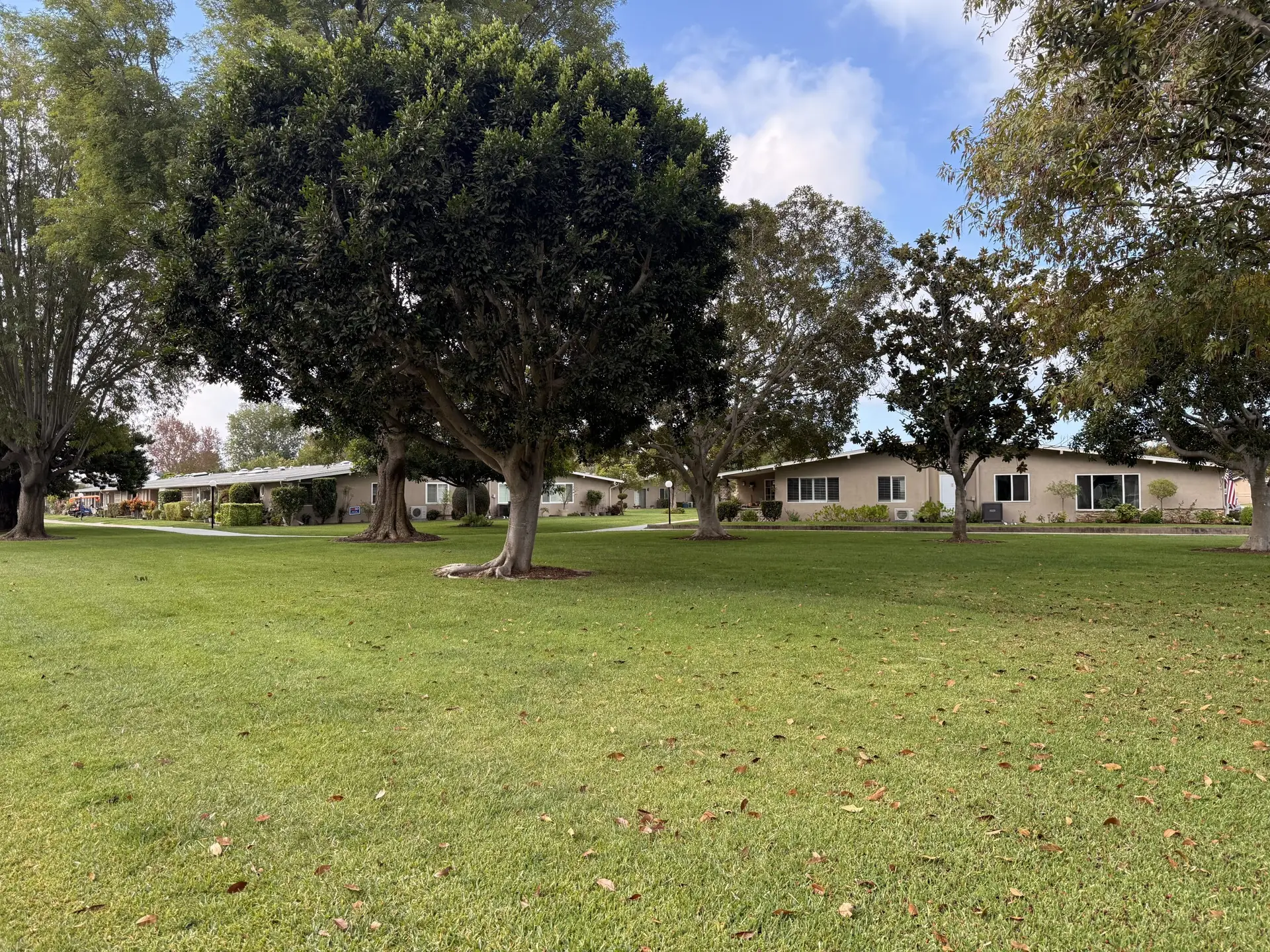
Leisure World Seal Beach Market Trends Revealed: Expert Insights on 2025 Home Prices and Real Estate
Leisure World Seal Beach’s housing market in 2025 combines unique ownership models, a distinct 55+ buyer pool, and localized demand drivers that shape prices and transaction dynamics. This article distills timely market signals, explains how stock cooperatives and condominiums behave differently, and provides practical buying and selling steps tailored to Leisure World residents and prospects. Readers will learn how community amenities, board approvals, HOA structures, and cash-dominant buyers influence valuation and liquidity, plus concrete tactics to navigate approvals and pricing. The analysis uses local expertise to translate broad regional trends into actionable guidance for buyers and sellers considering Leisure World Seal Beach properties. Sections cover current price signals and interpretation, property-type impacts, amenity-driven value, a buyer roadmap, seller strategies, a 2025-plus outlook, and concise FAQs to answer common transactional questions. Throughout, semantic clarity and practical checklists help readers apply insights to real decisions while noting when to seek specialized local guidance.
What Are the Current Home Prices and Property Values in Leisure World Seal Beach?
Current market snapshots for Leisure World Seal Beach reflect a community shaped by limited inventory, a predominantly 55+ buyer base, and transaction rules that favor cash-ready purchasers. Rather than presenting raw national portal figures, this section explains the metrics to watch locally—median listing and sale figures, price per square foot trends, days on market, and sale-to-list ratios—and how to interpret them for listing or offer strategy. Agent-curated snapshots updated monthly provide the most reliable view because they connect listings to board-approval realities and mutual-specific nuances that portals often miss. The following table summarizes the key metrics to monitor and explains why each matters for buyers and sellers seeking situational awareness in 2025.
| Market Metric | What to Watch (as of latest agent snapshot) | Why it Matters |
|---|---|---|
| Median Listing / Sold Price | Agent-curated snapshot (date-stamped monthly) | Indicates local list vs. sale expectations and pricing bands |
| Price per Square Foot | Recent listing and sold comparisons by mutual | Helps compare value across unit sizes and upgrades |
| Days on Market (DOM) | Snapshot of active-to-pending timelines | Signals buyer urgency and marketing effectiveness |
| Sale-to-List Ratio | Agent-observed closed vs. original list | Measures negotiation cushion and seller leverage |
This table emphasizes that up-to-date, local snapshots drive better pricing decisions than distant portal averages. For readers seeking live inventory and expert context, Leisure Living Resales maintains agent-curated market snapshots and listing inventory that reflect these exact metrics. Attract and convert prospective buyers and sellers of properties in Leisure World Seal Beach by providing expert guidance and showcasing listings. Monitoring these metrics helps sellers set realistic expectations and helps buyers identify when a competitively priced unit is likely to reach contract quickly.
What Is the Median Home Price in Leisure World Seal Beach in 2025?
The median home price in Leisure World Seal Beach is approximately $350,000 for active listings and $315,000 for recent sales. (leisurelivingresales.com) This reflects steady appreciation and a strong buyer willingness to invest in this sought-after gated community. In June 2025, the median sold price was $350,000, up 0.7% from the previous year, with a median price per square foot of $400. (rocket.com) In August 2025, the median listing home price was $386,500, trending up 9.2% year-over-year, with a median listing price per square foot of $431. (realtor.com) These figures indicate that properties are maintaining healthy equity growth.
How Has the Price per Square Foot Changed Over Time?
Price per square foot in Leisure World provides a useful normalization for comparing units of different sizes and finishes, but it must be interpreted against mutual-specific baselines and amenity proximity. Changes over recent periods often reflect a mix of renovation activity, the presence of turnkey units, and the proportion of cash buyers versus financed purchases. For appraisals and valuation guidance, price-per-square-foot trends are a valuable cross-check alongside comparable closed sales in the same mutual and similar floor plans. Buyers and sellers should treat $/sq ft as directional and always reconcile it with unit condition, recent upgrades, and prevailing buyer demand for maintenance-free living.
What Are the Historical Price Trends for Leisure World Homes?
Historical pricing in Leisure World has been shaped by demographic stability, community amenities, and episodic inventory cycles driven by life transitions among residents. Over multi-year horizons, price movement is typically steadier than volatile suburban markets because the 55+ demographic values predictability, maintenance-free living, and security—factors that support pricing resilience. Multi-year timelines show periods when larger numbers of renovated or higher-end units moved, temporarily skewing averages; conversely, slow inventory months compress visible activity. Understanding these patterns helps set realistic expectations about appreciation and the timing of selling for maximum return.
How Competitive Is the Leisure World Housing Market?
Market competitiveness here is best judged through local indicators: short DOM for well-priced turnkey homes, higher sale-to-list ratios on desirable mutuals, and frequent all-cash offers that can shorten closing timelines. Buyers should expect to act decisively on attractively priced units and prepare for board approval steps that can affect contingency structures. Sellers benefit from pricing strategies that account for cash demand, staging to appeal to downsizers, and clear documentation to streamline board review. In this environment, speed and preparedness often determine whether an offer succeeds; the right pricing and presentation create competition without unnecessary concessions.
How Do Property Types Affect Market Trends in Leisure World Seal Beach?
Property type—primarily stock cooperatives versus condominiums—fundamentally shapes available financing, buyer eligibility, and marketability in Leisure World Seal Beach. Each ownership model carries distinct transaction mechanics, underwriting realities, and buyer pools that influence pricing and speed of sale. Understanding these differences is essential for accurate valuation, as stock cooperatives frequently restrict financing and require board approval steps that favor all-cash buyers, while condominiums generally allow mortgage financing subject to lender and HOA underwriting criteria. The table below compares typical attributes to clarify how property type drives market behavior.
| Property Type | Typical Financing / Sale Type | Typical HOA / Buyer Impact |
|---|---|---|
| Stock Cooperative | Cash-preferred; board approvals required | Mutual rules drive buyer screening and timelines |
| Condominium | Mortgage availability more common | Lenders may require HOA financial health and insurance |
| Mutual-owned Units | Mutual-specific rules and assessments | Buyer pool narrowed to those accepting governance terms |
This comparison highlights why sellers must tailor pricing and marketing by property type and why buyers should factor financing feasibility into offer planning. Transaction complexity and buyer eligibility differ enough that property-type knowledge materially affects strategy and expectations when listing or bidding.
What Are Stock Cooperatives and How Do They Impact Home Sales?
Stock cooperatives in Leisure World represent ownership of shares in a mutual that grants the right to occupy a unit; they are not fee-simple real estate. This structure typically requires board approval for transfers, enforces mutual-specific rules, and often makes conventional mortgages more challenging or less common. The result is a buyer pool that skews toward all-cash or alternative financing and a sales process that includes additional administrative steps compared to typical condo closings. Sellers should anticipate review timelines and prepare comprehensive documentation to minimize delays, while buyers must be prepared to demonstrate financial readiness and respect mutual governance expectations.
How Do Condominiums Differ and What Financing Options Are Available?
Condominiums in Leisure World function more like traditional condo ownership, enabling a broader set of financing options for qualifying buyers, including conventional and government-backed loans where underwriters accept the HOA structure. This expanded financing availability tends to broaden the buyer pool, potentially increasing demand and creating more leverage for sellers who price competitively. Lenders will assess HOA financials, insurance, and reserve levels, so units in well-managed associations with transparent budgets often attract smoother mortgage approvals. Buyers relying on financing should coordinate with lenders early to verify underwriting requirements tied to Leisure World condominiums.
Why Are Most Leisure World Homes Sold as All-Cash Transactions?
All-cash prevalence stems from three intertwined causes: the stock cooperative ownership model limiting mortgage availability, the age and preferences of many buyers preferring simplified closings, and the desire for faster, certain transactions that avoid lender contingencies. Cash offers eliminate appraisal and lender-driven delays and often appeal to sellers navigating board timelines and moving plans. For non-cash buyers, strategies include lining up lender pre-approvals that understand mutual rules, considering portfolio or bridge financing, or targeting condominium units with clearer underwriting pathways. Sellers should weigh cash offers against net proceeds and the buyer’s readiness for board approval.
What Community Amenities Influence Leisure World Seal Beach Home Values?
Leisure World’s amenities comprise a network of recreational, social, and service features that materially affect desirability and perceived value among 55+ buyers. Amenities translate into both emotional and financial value by supporting active lifestyles, reducing ownership friction, and creating social networks that many buyers prioritize when downsizing. Key amenity categories include golf and recreation, clubhouses and organized activities, on-site services like medical and security, and maintenance packages that alleviate routine chores. The table below summarizes major amenities and their typical buyer benefits to clarify how they influence demand and pricing resilience.
| Amenity | Impact on Value / Buyer Benefit | Typical Influence |
|---|---|---|
| Golf course | Lifestyle and prestige appeal to active buyers | Positive for premium units near greens |
| Clubhouses & social clubs | Social infrastructure increases retention and demand | Broad buyer appeal; supports price stability |
| On-site medical & security services | Lowers ownership friction and safety concerns | High value for health-conscious buyers |
| Maintenance services | Predictable costs and hassle reduction | Encourages downsizers and supports pricing |
This structured view shows that amenities are not mere marketing points but core components of Leisure World’s value proposition. Prospective buyers often weigh amenity access and program vitality as heavily as unit condition when deciding which mutual or building best fits their lifestyle.
How Do Recreational Facilities and Social Clubs Add Value?
Recreational facilities and organized clubs provide both tangible and intangible benefits that make Leisure World attractive to buyers seeking active, socially connected retirement living. Golf, pool programs, fitness classes, hobby groups, and scheduled social events create a ready-made community that reduces social friction and supports healthful routines. These features broaden the buyer pool to include people prioritizing active aging, and they often justify modest price premiums for units located near popular facilities. Sellers benefit from highlighting amenity access and current program participation to connect with lifestyle-oriented buyers quickly.
What On-site Services and Security Features Are Offered?
On-site services—such as routine maintenance coordination, security patrols, and localized health or wellness supports—reduce the operational burden of homeownership for retirees. These services translate into predictability for older buyers who prioritize safety, rapid response to repair needs, and continuity of care options. Security and maintenance support can also influence HOA fee structures, but buyers often accept higher monthly fees in exchange for lower personal liability and fewer vendor management tasks. Clear documentation of included services and response protocols helps both buyers and sellers set accurate expectations before closing.
How Does Maintenance-Free Living Affect Buyer Demand?
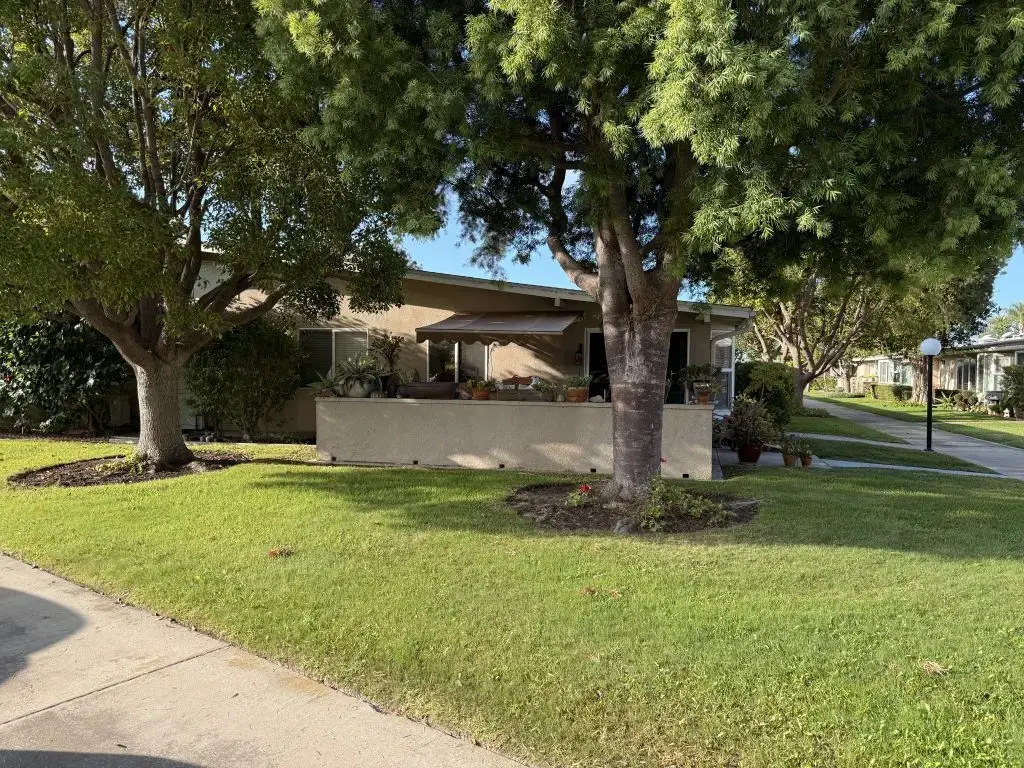
Maintenance-free living eliminates many of the chores associated with traditional single-family ownership, providing a compelling value proposition for downsizers and older adults who want predictable costs and fewer household tasks. This arrangement increases demand from buyers focused on lifestyle flexibility, travel, or reduced caregiving burden, and creates a price premium for units perceived as turnkey. Sellers who present units as low-maintenance and highlight included services often accelerate buyer interest and justify stronger pricing, while buyers should model total ownership cost including HOA assessments to assess true affordability.
How Can Buyers Navigate the Leisure World Seal Beach Real Estate Market?
Buying in Leisure World requires a tailored roadmap that blends property search discipline, early readiness for board processes, and financial preparedness for co-op nuances. Successful buyers align timeline expectations with mutual approval windows, assemble required documentation ahead of time, and decide whether to target co-ops (cash-preferred) or condos (financing-friendly). Working with local experts who know mutual-specific rules and presentation expectations reduces friction and improves the chance of approval. The checklist and steps below translate these principles into practical actions that buyers can follow from search through move-in.
This checklist outlines the essential buying steps and the key items to prepare during each phase.
- Search and Shortlist: Identify mutuals and floor plans that match needs and mobility preferences.
- Financial Readiness: Prepare proof of funds or lender pre-approval depending on property type.
- Mutual/Board Preparation: Gather references, financial statements, and any required disclosures before applying.
- Offer & Negotiation: Structure offers mindful of board timelines and potential escrow contingencies.
- Board Interview & Approval: Attend required interviews and respond promptly to requests for documentation.
- Closing & Move-In: Coordinate closing logistics with mutual timelines and on-site move rules.
These steps highlight the importance of parallel preparation: while searching, buyers should also get financial documents and references in order to avoid delays. Attract and convert prospective buyers and sellers of properties in Leisure World Seal Beach by providing expert guidance and showcasing listings. That clarity helps buyers move confidently through board processes and closing.
What Are the Steps to Buying a Home in Leisure World?
Buying steps begin with defining the right mutual and unit size, then proceed to financial preparation and an offer that recognizes both market and governance realities. Early steps include touring units, comparing recent agent-curated sales in the target mutual, and deciding whether cash or financing will underpin an offer. Buyers should assemble references, bank statements, and any required affidavits before submitting an application to the mutual board, since timely, complete submissions materially improve approval chances. Coordinated timing between offer acceptance and board review ensures smoother closings and reduces the risk of delays that can derail moves.
What Are the Residency and Age Restrictions in Leisure World?
Leisure World operates as a 55+ community where residency and occupancy rules are designed for older adults, typically requiring at least one occupant to meet the age threshold and governing certain occupancy scenarios. These restrictions shape the buyer pool and influence resale dynamics because the qualifying rules reduce interest from younger households. Buyers should confirm current residency documentation requirements with the mutual in question and prepare any necessary attestation to avoid surprises during board review. Understanding who can occupy and under what conditions helps buyers and sellers set realistic expectations during negotiations.
How Do HOA Fees and Assessments Affect Buying Decisions?
HOA fees and special assessments in Leisure World cover a range of services—maintenance, security, shared utilities, and amenity upkeep—that materially affect monthly ownership costs. Buyers should evaluate fee coverage and reserve levels during due diligence to compare units on a total-cost basis rather than price alone. For many 55+ buyers, higher HOA fees that bundle maintenance and services are acceptable in exchange for reduced personal responsibility and predictable budgeting. Careful budgeting and review of recent assessment histories allow buyers to make informed offers aligned with long-term affordability.
How Can Sellers Maximize Value When Selling in Leisure World Seal Beach?
Sellers in Leisure World maximize value by aligning pricing with property type, preparing documentation for board review in advance, and staging units to appeal to downsizers who value turnkey readiness and maintenance-free living. Effective marketing targets the community’s buyer demographics, emphasizing lifestyle benefits, proximity to amenities, and transparent information about HOA coverage and mutual rules. Timing listings to market conditions and presenting clear, complete disclosure packages reduces friction in the board approval process. The list and table below provide tactical marketing channels and staging priorities to increase buyer engagement and justify stronger pricing.
The following list summarizes effective channels and messaging priorities for Leisure World listings.
- Use community-focused imagery and highlight amenity access to connect with 55+ buyers.
- Leverage local agent networks and MLS exposure tailored to retirees and downsizers.
- Offer virtual tours and clear floor-plan visuals for remote buyers and family decision-makers.
Presenting these elements together creates a cohesive marketing narrative that accelerates buyer interest and supports asking-price confidence.
What Are Effective Marketing Strategies for Leisure World Properties?
Effective marketing combines community-centric imagery, direct outreach to buyer networks, and digital tools that showcase unit condition and lifestyle fit. Localized messaging should highlight access to golf, clubs, and maintenance-free living, while virtual walkthroughs allow distant family members to evaluate suitability. Using agent networks that specialize in Leisure World improves reach to buyers who already understand mutual structures, and clear, transparent listing descriptions that disclose HOA coverage and recent upgrades reduce buyer hesitation. Sellers who package documentation and visuals upfront typically experience quicker contracts and more certainty in closing.
How Does the Board Approval Process Impact Home Sales?
Board approval is a distinct step that typically follows offer acceptance and can influence contingency handling and closing timelines. Boards review applicant materials, perform interviews, and enforce mutual-specific rules that may include age verification, financial thresholds, and behavioral covenants. Delays in providing requested items or incomplete documentation are common causes of extended timelines or denials, which is why pre-qualification and early engagement with mutual requirements streamline sales. Sellers who present complete application packets and clear histories of maintenance and assessments reduce friction and improve buyer confidence.
What Are Tips for Staging and Valuing Leisure World Homes?
Staging priorities for Leisure World emphasize uncluttered, low-maintenance presentation, highlighting accessibility features and showing how spaces support social and recreational lifestyles. Neutral decor, decluttered storage areas, and clear displays of recent repairs or upgrades help buyers visualize moving in without heavy projects. Valuation should balance comparable sales in the same mutual, the unit’s finish level, and amenity proximity; when possible, invest in cost-effective repairs that yield visible returns rather than large renovations that outpace buyer expectations. Pricing strategically for a cash-driven market often means presenting net proceeds and closing timelines that reflect the mutual’s typical buyer behavior.
Attract and convert prospective buyers and sellers of properties in Leisure World Seal Beach by providing expert guidance and showcasing listings. Leisure Living Resales operates under Leisure Life Real Estate and presents Mark Hughes and Judy Hughes as specialists and residents of Leisure World; their services emphasize guidance for both buyers and sellers navigating mutual-specific processes, board approvals, and the community’s unique transaction nuances.
What Is the 2025 and Beyond Market Outlook for Leisure World Seal Beach Real Estate?
The near-term 2025 outlook for Leisure World Seal Beach emphasizes steady demand driven by aging-in-place preferences, amenity value, and a constrained, inventory-sensitive market. Key drivers include interest-rate trends affecting financing appetite for condos, demographic stability in the 55+ cohort, and mutual governance decisions that can influence local supply. Over a five-year horizon, scenarios range from conservative stability—driven by steady demand and limited resale supply—to moderate appreciation if regional economic conditions and interest-rate normalization expand financing for more buyers. Buyers and sellers should track inventory, mutual-specific maintenance plans, and local policy changes as leading indicators.
The following list outlines critical factors and how to monitor them for strategic decisions.
- Interest Rates and Financing Access: Watch mortgage affordability for condo buyers and lender underwriting shifts.
- Inventory and Turnover Rates: Monitor monthly agent-curated snapshots for supply changes and mutual-specific activity.
- Demographic Demand: Track local retiree migration patterns and preference shifts toward maintenance-free communities.
These factors form the basis of scenario planning for the next five years; active monitoring and flexible timing help stakeholders optimize outcomes.
What Key Factors Will Influence Future Property Values?
Interest rates, inventory levels, mutual governance and assessment policies, and the vitality of on-site amenities will be the top determinants of future values. Interest rates influence the pool of financed buyers for condominiums, while stock cooperative rules and mutual-specific assessments influence transaction certainty and net proceeds. Amenities upgrades or declines can shift buyer preferences between mutuals, and demographic shifts in retirement migration patterns can change local demand intensity. For practical planning, buyers and sellers should prioritize tracking these signals and consult local experts when material changes appear.
What Are the 5-Year Property Value Predictions for Leisure World?
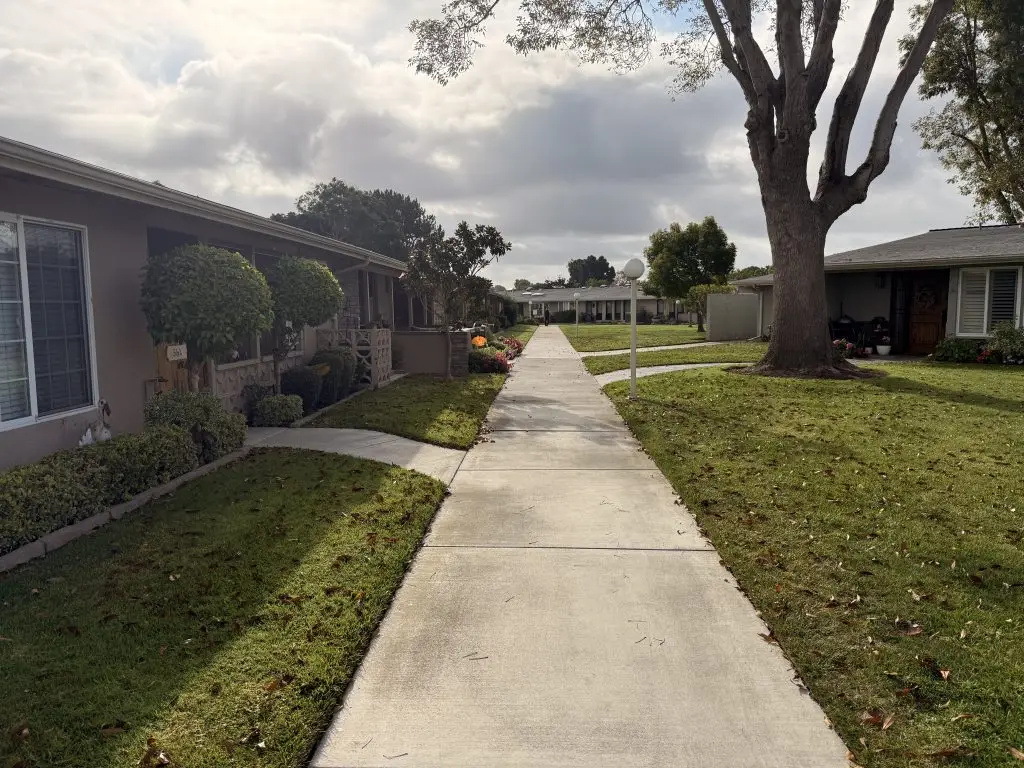
Five-year property value predictions are best expressed as scenario ranges tied to assumptions: a conservative scenario assumes modest appreciation reflecting demographic stability; a base scenario assumes moderate growth if financing access improves for condos; an optimistic scenario anticipates stronger appreciation if regional demand strengthens and amenities see investment. Each scenario depends on interest-rate trajectories, inventory turn, and the pace of retiree relocations. Readers should view predictions as directional, not precise, and align decisions with personal timelines and risk tolerance.
How Might Market Competitiveness Evolve in the Coming Years?
Market competitiveness could tighten if inventory remains constrained and demand among downsizers persists, producing shorter DOM and stronger sale-to-list ratios on turnkey units. Alternatively, if financing access expands materially, condo competition could increase while co-op markets retain cash-buyer characteristics. Leading indicators include changes in time-to-contract, shifts in offer structures (contingent vs. cash), and the number of active listings by mutual. Buyers and sellers should adapt by monitoring those signals and adjusting offer aggressiveness or pricing strategies accordingly.
Frequently Asked Questions
What Are the Key Differences Between Stock Cooperatives and Condominiums in Leisure World?
Stock cooperatives and condominiums differ primarily in ownership structure and financing options. In stock cooperatives, buyers purchase shares in a corporation that owns the property, which often requires board approval for transfers and favors cash transactions. Conversely, condominiums are more akin to traditional real estate ownership, allowing for a broader range of financing options, including mortgages. This distinction affects marketability, buyer eligibility, and the overall transaction process, making it crucial for buyers and sellers to understand these differences when navigating the Leisure World market.
How Do Local Market Trends Affect Future Home Prices in Leisure World?
Local market trends significantly influence future home prices in Leisure World. Factors such as inventory levels, interest rates, and demographic shifts among the 55+ population can create fluctuations in demand and pricing. For instance, a decrease in available homes can lead to increased competition and higher prices, while rising interest rates may deter potential buyers, impacting overall market activity. Staying informed about these trends helps buyers and sellers make strategic decisions regarding pricing, timing, and investment in the Leisure World real estate market.
What Should Buyers Know About the Board Approval Process?
The board approval process in Leisure World is a critical step for buyers, especially in stock cooperatives. This process typically involves submitting an application, providing financial documentation, and attending an interview with the board. Buyers should be prepared for potential delays and ensure they have all necessary documents ready to facilitate a smooth approval. Understanding the specific requirements of the mutual is essential, as each may have different rules and expectations that can affect the timeline and outcome of the approval process.
What Are the Benefits of Living in a 55+ Community Like Leisure World?
Living in a 55+ community like Leisure World offers numerous benefits tailored to older adults. These include access to age-appropriate amenities such as recreational facilities, social clubs, and on-site services that promote an active lifestyle. Additionally, the community fosters social connections among residents, reducing feelings of isolation. The maintenance-free living aspect also alleviates the burden of home upkeep, allowing residents to focus on leisure and community engagement. Overall, these features create a supportive environment that enhances the quality of life for older adults.
How Can Sellers Prepare Their Homes for a Quick Sale?
Sellers can prepare their homes for a quick sale by focusing on presentation and documentation. Staging the home to highlight its best features, ensuring it is clean and clutter-free, and making minor repairs can significantly enhance appeal. Additionally, gathering all necessary documentation for board approval in advance can streamline the selling process. Pricing the home competitively based on current market trends and emphasizing the unique benefits of living in Leisure World can attract more potential buyers and facilitate a faster sale.
What Role Do Community Amenities Play in Home Valuation?
Community amenities play a crucial role in home valuation within Leisure World. Features such as golf courses, clubhouses, and on-site services enhance the desirability of properties, often leading to higher market values. Buyers are willing to pay a premium for homes that offer easy access to recreational and social activities, as these amenities contribute to a fulfilling lifestyle. Sellers should highlight these features in their marketing strategies, as they can significantly influence buyer interest and ultimately impact the sale price of the home.
What Is the Median Sale-to-List Price Ratio in Leisure World?
The sale-to-list ratio is best interpreted locally: well-priced, move-in-ready units commonly close near or slightly below original list when accounting for seller concessions and board-driven timing, while exceptional turnkey units may command closer-to-list outcomes. Exact ratios fluctuate by mutual and month, so rely on agent-curated, date-stamped snapshots for the current figure. Sellers should use recent comparable closed sales from the same mutual to set expectations, and buyers can use the ratio as a negotiation benchmark when making offers. Monitoring this ratio monthly gives a clear sense of current negotiating power in the market.
How Long Do Homes Typically Stay on the Market?
Time-on-market (DOM) varies with pricing, unit condition, and mutual popularity; turnkey and competitively priced units in desirable mutuals often move faster than larger, renovation-needing units. Key reasons DOM varies include mismatched pricing, deferred maintenance, and insufficient marketing that fails to reach the 55+ buyer network. To shorten DOM, sellers should price competitively, stage for downsizers, and pre-assemble board documentation; buyers should be prepared with proof of funds or financing pre-approval and fast decision processes. Tracking DOM by mutual provides the most actionable timing insights.
Are There Any Special Financing or Transaction Requirements?
Yes—stock cooperatives commonly favor cash purchases and require mutual board approvals that can complicate conventional mortgage closings, while condominiums more often permit mortgage financing subject to lender and HOA underwriting. Buyers lacking cash should pursue lenders familiar with Leisure World underwriting or focus on condo units where mortgage pathways are clearer. Preparing complete financial documentation early and communicating with mutual boards and lenders reduces surprises and aligns expectations for both parties.
What Amenities Are Included in the Community?
Leisure World includes a combination of recreational and service-oriented amenities that support active retirement living and reduce ownership friction. Typical offerings include golf course access, multiple clubhouses and organized social clubs, aquatic facilities and fitness programs, on-site medical support services, and community security and maintenance programs. Each amenity contributes differently to buyer appeal—the social clubs expand community connection, while on-site services increase practicality for older buyers. Buyers should prioritize amenities aligned with their lifestyle and verify which services are covered by HOA fees.
- Golf course: appeals to active, social buyers and can add a premium for nearby units.
- Clubhouses & clubs: create social continuity that attracts buyers seeking community engagement.
- On-site medical/security: increases perceived safety and reduces personal management tasks.
These amenity attributes explain why many buyers prioritize Leisure World: the community model bundles lifestyle and services in ways that support sustained demand.
Attract and convert prospective buyers and sellers of properties in Leisure World Seal Beach by providing expert guidance and showcasing listings. For tailored assistance, Leisure Living Resales and resident specialists Mark Hughes and Judy Hughes offer local knowledge, guidance through co-op and condo processes, and curated market insights that help buyers and sellers act with confidence.
Conclusion
Understanding the unique dynamics of the Leisure World Seal Beach real estate market empowers both buyers and sellers to make informed decisions. By leveraging local insights on pricing, property types, and community amenities, stakeholders can navigate this specialized market with confidence. Whether you’re looking to buy your dream home or sell for maximum value, expert guidance is essential. Connect with our team today to explore tailored strategies that align with your real estate goals.