A History of Leisure Life
The Beginnings
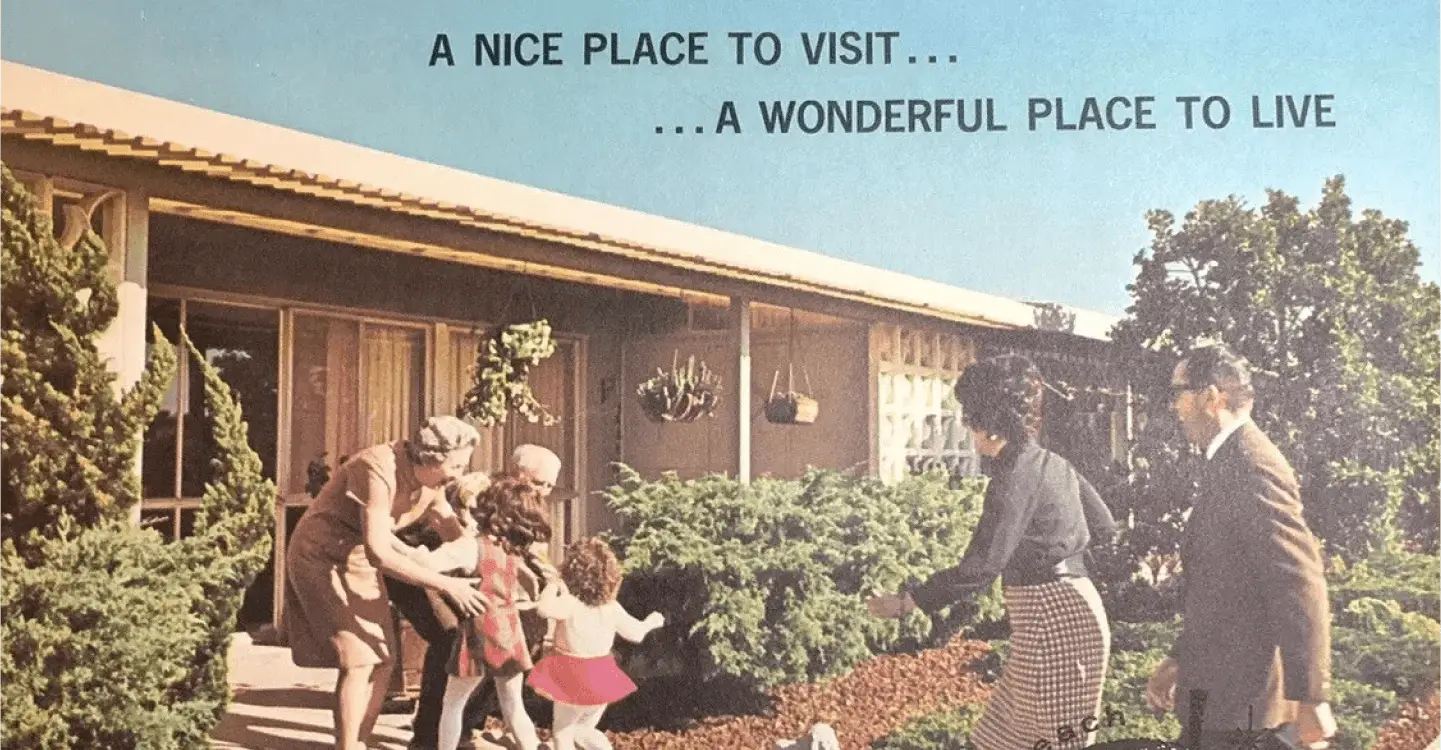
It was in the late 1950s when building developer Ross Cortese saw 541 undeveloped fields as an ideal location for a southern California real estate project. He dreamed of transforming those fields into a place where senior citizens could enjoy life with comfort, security, and dignity.
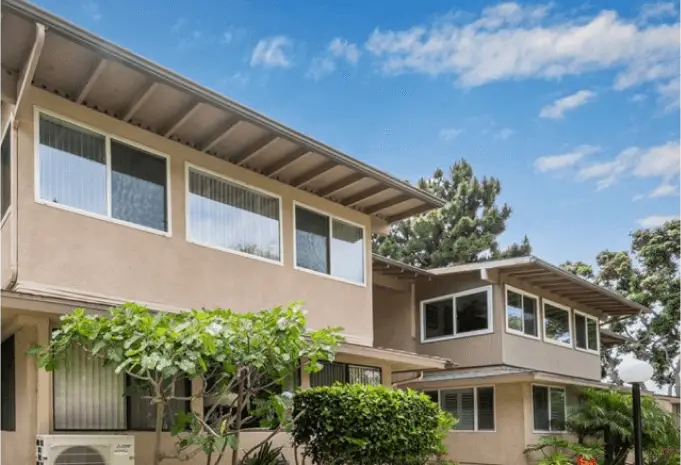
Initially, a cooperative apartment sold for $9,000 to $11,000 with down payments ranging from $680 to $769. The monthly payments of $92.50 to $103.50 covered all services, principal, taxes, insurance, and medical insurance. Prospective buyers were informed that Leisure World would free them from landscape maintenance. Their new apartments had all electric appliances, extra-wide halls, sit-down showers, individually temperature-controlled rooms, electric sockets 24 inches above the baseboards, and private patios. The community started with three clubhouses; a fourth was added in 1974, and the fifth in 1997. There’s an outdoor amphitheater, a nine-hole golf course, a bus transportation system, rolled curbs, extra-wide sidewalks, a security force, and a nearby shopping center.
Cortese spent two years researching this project before obtaining financing to build. The Federal Housing Administration (today called HUD) backed the cooperative housing venture by guaranteeing 40-year mortgages. Construction began in 1960 on the first parcel of land consisting of 844 units. It sold out in nine weeks, and a fast selling pace continued as it was expanded. Each section, now called Mutuals, was developed as a corporation until 15 were developed. The first residents moved in on June 8, 1962. By November 1962, the development had over 3,000 residents, and by March 1963, were 4,418 units sold. Because of the government-guaranteed loans, there were many regulations on how the money would be used. FHA requirements included being linked to an established city, so Leisure World became annexed to Seal Beach.
The Leisure World Seal Beach community has a unique organizational structure. Each resident purchased a share of stock in a Mutual Corporation and another stake in the Golden Rain Foundation. A new buyer paid the seller cash for the stock shares, which permitted the apartment’s occupancy. The new resident made monthly payments to the Foundation, which then prorated a portion to the Mutual for service of the mortgage payment carried by the Corporation and for the maintenance of the property.