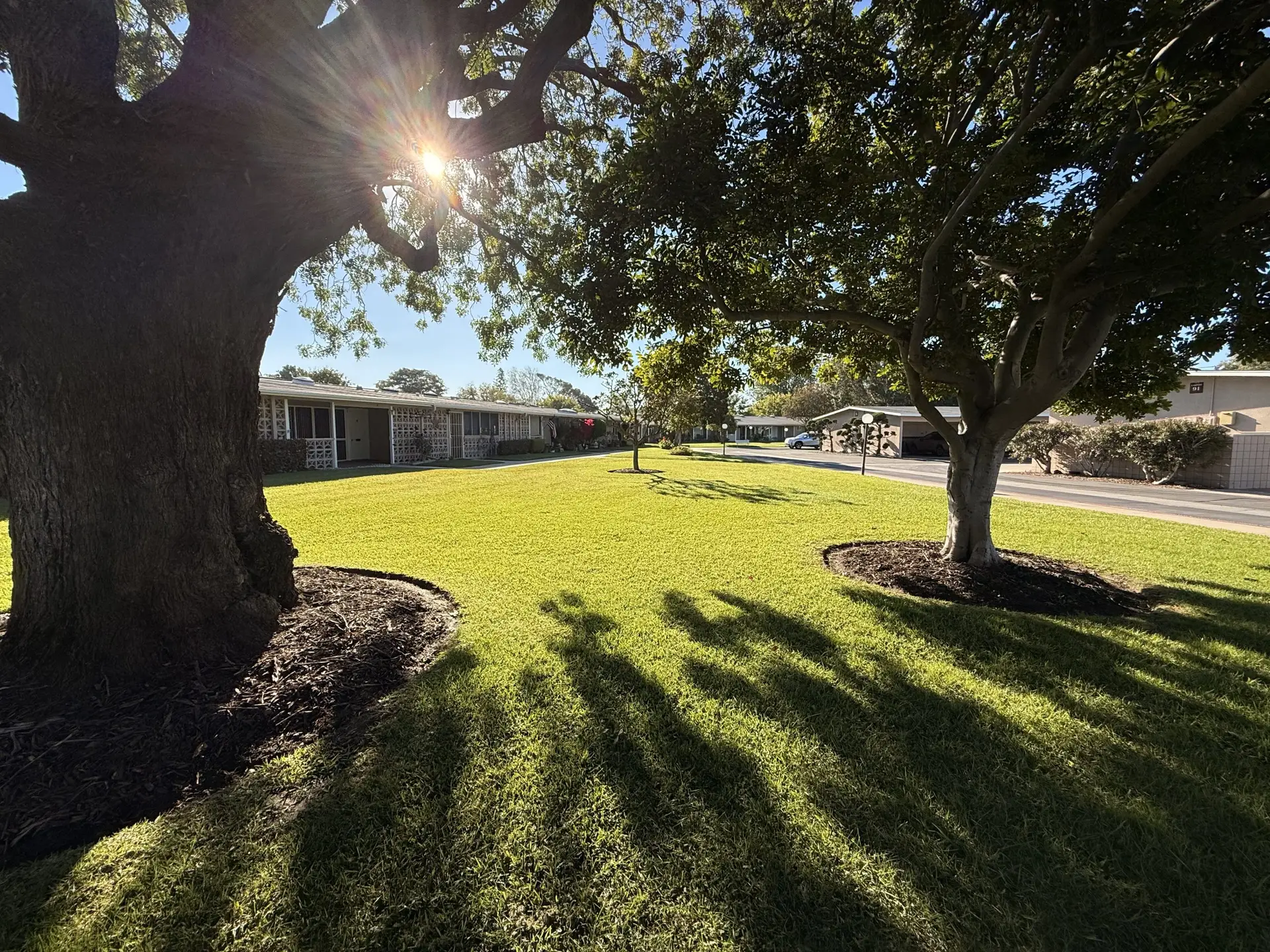
Exploring Home Prices in Leisure World Seal Beach: A Detailed Market Analysis for 55+ Communities
Leisure World Seal Beach holds a unique position in the Southern California residential landscape as a welcoming 55+ retirement community, primarily featuring stock cooperative (co-op) units that come with a rich array of amenities and a community-focused marketplace. In this article, we’ll delve into how current property values in Leisure World stack up against nearby neighborhoods in Seal Beach and the wider Orange County area. We’ll clarify the impact of the co-op model on pricing and financing, and highlight the essential trade-offs that both buyers and sellers should consider. Many readers are eager to learn about the median home price in Leisure World Seal Beach, average days on market, HOA fees, and financing intricacies; this guide is designed to provide actionable insights and comparative context. Throughout, we’ll explore pricing metrics, market activity, cost-of-ownership factors, historical trends, financing details, and a step-by-step approach to pricing and purchasing in this vibrant community. By the end, you’ll have a clear understanding of the key factors influencing Leisure World co-op prices, how to interpret comparative data against Rossmoor, Los Alamitos, Seal Beach, and Orange County, and what questions to ask an agent when considering a purchase or sale.
What Are the Current Home Prices in Leisure World Seal Beach?
The current property values in Leisure World Seal Beach reflect the interplay of its stock cooperative structure, the included amenity package, and the dynamics of the buyer pool. Median listing and sold prices should be viewed as indicators rather than precise comparables, as co-op transactions often involve varying terms and less standardized public records compared to traditional condo sales. Days on market and sale-to-list ratios provide context regarding market competitiveness: shorter market exposure and tighter sale-to-list ratios typically indicate higher demand, while longer days on market and wider ratios suggest softer demand or pricing discrepancies. Understanding these metrics empowers sellers to set realistic expectations and helps buyers identify negotiation opportunities based on liquidity and comparability.
To accurately interpret current property values, focus on four key indicators: median listing price, median sold price, inventory levels, and typical days on market. These indicators, combined with qualitative factors—such as unit condition, board approval timelines, and whether utilities or services are included in the HOA—explain why two seemingly similar units can sell for significantly different prices. The next section will break down the concepts of median listing and sold prices and explore why they may vary across different reporting sources.
What Is the Median Listing and Sold Price in Leisure World Seal Beach?
Median listing price and median sold price reflect different aspects of the market: the listing price showcases seller expectations, while the sold price captures actual market-clearing transactions. Given that Leisure World comprises many stock cooperative units, public listing data may reflect list prices that include co-op-specific adjustments, while sold prices often reveal negotiation outcomes influenced by buyer eligibility and board approval processes. Variations between sources can occur when small sample sizes or off-market private sales skew reported medians, so it’s wise to interpret any single figure with caution and look for consistent trends across multiple reports. For both buyers and sellers, the practical takeaway is to use median values as directional signals and pair them with neighborhood-specific comps and assessments of unit condition to estimate value.
How Do Days on Market and Market Competitiveness Affect Leisure World Home Prices?
Days on market (DOM) measures how long listings remain active and serves as a liquidity indicator: lower DOM generally correlates with tighter markets and stronger seller pricing power. In Leisure World, market competitiveness also hinges on co-op board processes, residency preferences, and whether units are move-in ready or require renovations—factors that can extend or shorten DOM regardless of regional demand. The sale-to-list ratio is another practical metric: ratios near or above 100% indicate buyers paying at or above list price, while lower ratios suggest room for negotiation. Sellers should leverage DOM and sale-to-list insights to determine pricing strategies; buyers can use longer DOMs to negotiate better terms or request additional contingencies.
How Do Leisure World Home Prices Compare to Nearby Seal Beach Communities and Orange County?
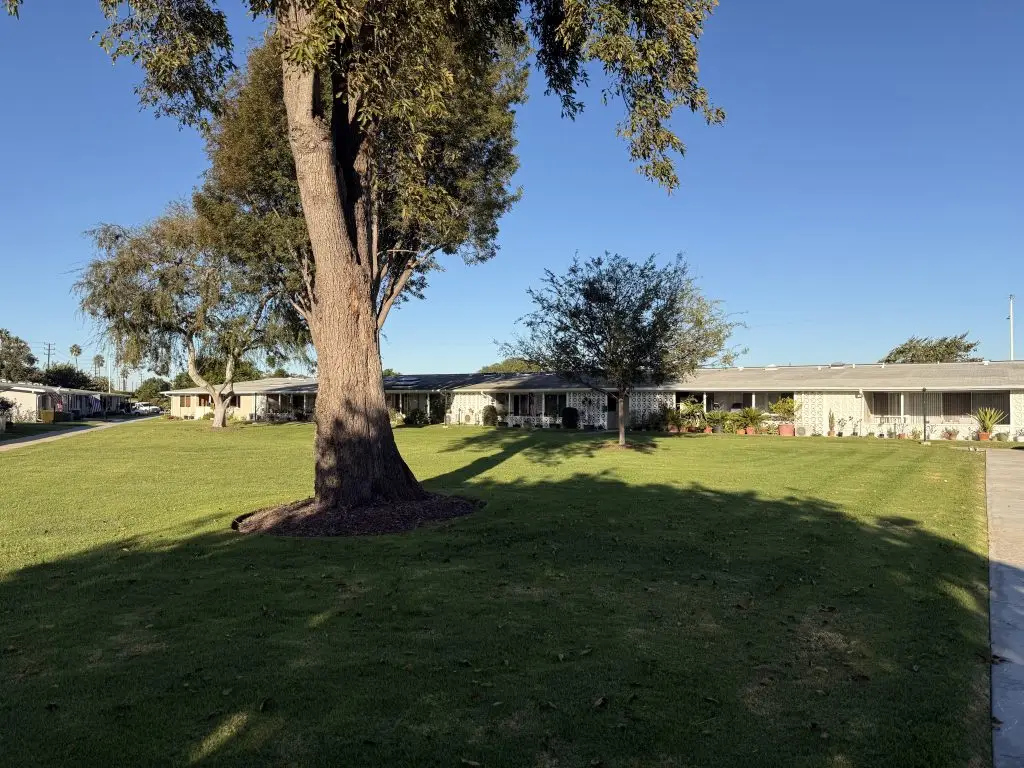
When comparing Leisure World to Rossmoor, Los Alamitos, Seal Beach neighborhoods, and the broader Orange County market, it’s essential to adjust for differences in property types, amenity inclusions, and financing accessibility. Leisure World’s co-op-heavy inventory typically contrasts with nearby condominiums that are mortgageable and attract a broader buyer pool. Price differentials often reflect not only square footage or condition but also the value of included services, community security, and buyer eligibility rules. A structured comparison clarifies where Leisure World offers relative value and where external markets may command premiums due to easier financing or larger unit sizes.
Before diving into the comparison table, consider the main factors contributing to price gaps to translate numbers into actionable buyer/seller decisions.
- Financing differences limit prospective buyers for co-ops.
- Amenity inclusions shift monthly carrying-cost comparisons.
- Unit type and age account for structural price distinctions.
- Local desirability and resale liquidity influence long-term appreciation.
These factors explain why raw median figures alone can be misleading; the table below pairs communities with attributes that contextualize typical price relationships.
| Community | Typical Price Characteristic | Key Comparative Note |
|---|---|---|
| Leisure World Seal Beach | Often shows lower medians compared to mortgage-friendly condos | Co-op structure and included services shape overall value |
| Rossmoor | Often compared as a similar lifestyle community nearby | Differences depend on unit type and age |
| Los Alamitos | Generally higher for comparable condos and single-family homes | Broader buyer pool and mortgage access |
| Seal Beach (neighborhoods) | Variable; beachfront or large-lot areas command premiums | Proximity to the ocean influences pricing |
| Orange County (broader) | Higher medians overall due to diverse inventory | Includes higher-priced single-family and luxury condos |
What Are the Price Differences Between Leisure World and Rossmoor or Los Alamitos?
Price differences between Leisure World and nearby communities like Rossmoor or Los Alamitos typically arise from variations in property type mix and the services bundled into monthly fees. Rossmoor, as another retirement-oriented area, may offer overlapping amenity value but can differ in unit size or floorplan types, affecting per-unit comparisons. Los Alamitos usually presents a wider mix of conventional condos and single-family homes that are mortgageable, often resulting in higher median prices. When evaluating these gaps, buyers should compare effective monthly carrying costs—HOA plus utilities and taxes—rather than relying solely on list price, as included services in Leisure World can offset a higher sticker price elsewhere.
How Does Leisure World’s Co-op Housing Model Impact Price Comparisons With Orange County?
The stock cooperative model alters how prices are established because ownership is based on shares rather than a standard fee-simple conveyance; this affects financing availability, resale mechanics, and buyer eligibility. Many mortgage products either exclude co-ops or require specialized underwriting, which reduces the buyer pool and can exert downward pressure on co-op medians compared to mortgageable condos. Additionally, board review and transfer procedures introduce transaction friction that impacts liquidity and often slows appreciation relative to faster-moving conventional markets. Comparing Leisure World medians to Orange County averages without adjusting for these structural differences risks misinterpreting market value and buyer demand.
What Are the Cost of Living and HOA Fees in Leisure World Seal Beach Compared to Nearby 55+ Communities?
Monthly carrying costs in Leisure World encompass HOA/maintenance fees, utilities (where included), and ancillary costs that reflect the value of bundled amenities. The effective cost of living should be calculated by adding HOA fees to out-of-pocket utilities and services that would otherwise be purchased externally—this reveals the net value of included offerings like recreational facilities or on-site services. Comparing these carrying costs to nearby 55+ communities highlights trade-offs: higher monthly fees can be justified by comprehensive services that reduce external spending, while lower fees may indicate fewer included amenities and greater out-of-pocket expenses. The EAV table below summarizes typical coverage rather than exact figures, focusing on what carries value for buyers.
| Community | HOA/Fees Coverage | Utilities Included | Amenities Included | Typical Monthly Characteristic |
|---|---|---|---|---|
| Leisure World Seal Beach | Centralized maintenance and services | Some utilities or services often included | Extensive (clubhouses, recreation, security) | Higher bundled value with fewer external costs |
| Rossmoor | Maintenance-focused fees | Varies by complex | Community activities and facilities | Comparable lifestyle value, variable coverage |
| Los Alamitos | Standard HOA model for condos | Rarely includes utilities | Limited to building amenities | Lower inclusion, more out-of-pocket costs |
| Nearby 55+ Communities | Varies widely | Varies widely | Range from basic to comprehensive | Buyers must compare inclusions, not just fee level |
How Do HOA Fees and Utilities Influence Overall Housing Costs in Leisure World?
HOA fees and utilities directly impact the monthly cost of living as they can bundle services that would otherwise be incurred separately, such as exterior maintenance, common-area upkeep, and community recreation. When utilities like water or trash are included, buyers effectively pay a predictable monthly sum that simplifies budgeting but may obscure the fee’s allocation across services. For buyers comparing Leisure World to mortgageable condos, the right comparison is effective monthly cost: HOA plus expected external expenses. Sellers should clearly communicate which utilities and services are covered to prospective buyers to minimize perceived surprises and align pricing with value.
What Amenities Are Included and How Do They Affect Cost of Living?
Leisure World’s amenity package typically includes recreational facilities, organized social programs, clubhouse access, security features, and sometimes on-site medical or wellness services; these inclusions reduce the need for outside spending on leisure or safety services. The value-add from amenities should be quantified by estimating the market cost of equivalent outside services—such as club memberships, fitness center fees, or private security—and subtracting those from the effective monthly carrying cost to reveal net value. Amenity-rich communities often appeal to buyers prioritizing lifestyle and convenience, and this premium can make higher HOA fees acceptable when compared to the total cost of living in alternative neighborhoods.
How Have Leisure World Seal Beach Home Prices Changed Over Time Compared to Nearby Areas?
Historical appreciation in Leisure World reflects structural factors—limited turnover among older residents, co-op resale pacing, and demographic stability—that differ from the broader Orange County market dynamics of new construction and investor activity. Year-over-year growth rates can appear muted or more volatile due to lower co-op sales volumes and the potential for non-standard transactions. Interpreting appreciation requires looking beyond single-year percentage changes to multi-year trends and assessing liquidity and inventory levels. The narrative below outlines how to read year-over-year signals and long-term patterns without relying solely on headline medians.
What Are the Year-Over-Year Price Growth Rates for Leisure World and Surrounding Communities?
Year-over-year growth rates indicate short-term momentum but can be noisy in communities with low transaction counts, as a few outlier sales can skew medians. Leisure World’s year-over-year figures should therefore be examined alongside transaction volume and average sale conditions to determine whether growth is sustainable. Divergences among data providers occur when different datasets capture varied subsets of co-op sales or when private transfers are not reflected in public portals. For decision-making, emphasize multi-year averages and trajectory rather than one-off year-over-year spikes.
How Does Historical Appreciation in Leisure World Compare to Other 55+ Communities in Seal Beach?
Comparing multi-year appreciation between Leisure World and other 55+ communities requires adjusting for supply characteristics, buyer pools, and liquidity differences: co-op-dominated markets frequently show lower volatility but slower upward movement, while mortgageable condo markets may reflect broader demand swings. Structural drivers—such as limited developable land, aging demographic cohorts, and community policy changes—shape each community’s long-term performance. Investors and owner-occupiers should weigh stability and lifestyle value against the potential for higher short-term appreciation found in more liquid, mortgage-enabled neighborhoods.
What Financing Options Affect Pricing Differences Between Leisure World Co-ops and Nearby Condos?
Financing mechanics are a primary reason for price differences between Leisure World co-ops and conventional condos: the availability of mortgage products, underwriting standards, and the possibility of all-cash purchases change the size of the buyer pool and their willingness to pay. Co-ops often require specialized financing or board approval that restricts typical mortgage pathways, reducing competitive bidding and suppressing medians relative to mortgage-friendly condos. Understanding which property types are mortgageable, which require cash, and how buyer pools shift under various interest-rate environments helps explain observed price disparities and informs negotiation strategies.
| Property Type | Financing Options | Typical Buyer Pool | Price Impact |
|---|---|---|---|
| Stock cooperative (co-op) | Specialized financing or often all-cash | Smaller, qualified buyers | Downward pressure on medians; liquidity constraints |
| Condominium units | Conventional mortgages widely available | Larger buyer pool including first-time buyers | Supports higher medians and broader demand |
| Single-family homes (nearby OC) | Standard mortgage products | Broadest buyer pool | Typically command highest medians |
Why Do Stock Cooperatives Require All-Cash Transactions and How Does This Influence Prices?
Stock cooperatives may require cash-heavy offers because many conventional lenders limit co-op loan availability or apply stricter underwriting rules, and cooperative boards can impose transfer conditions that extend timelines and increase perceived risk. Cash transactions shorten closing time and bypass financing contingencies, which some sellers prefer, but they also restrict the buyer pool to those with liquid capital. The net effect is fewer bidders per listing and downward pressure on prices compared to comparable mortgageable condos, though cash buyers may secure discounts for speed and certainty. Sellers should factor board approval timelines and potential financing friction into their pricing strategy.
How Do Financing Options for Condos in Nearby Areas Affect Their Market Values?
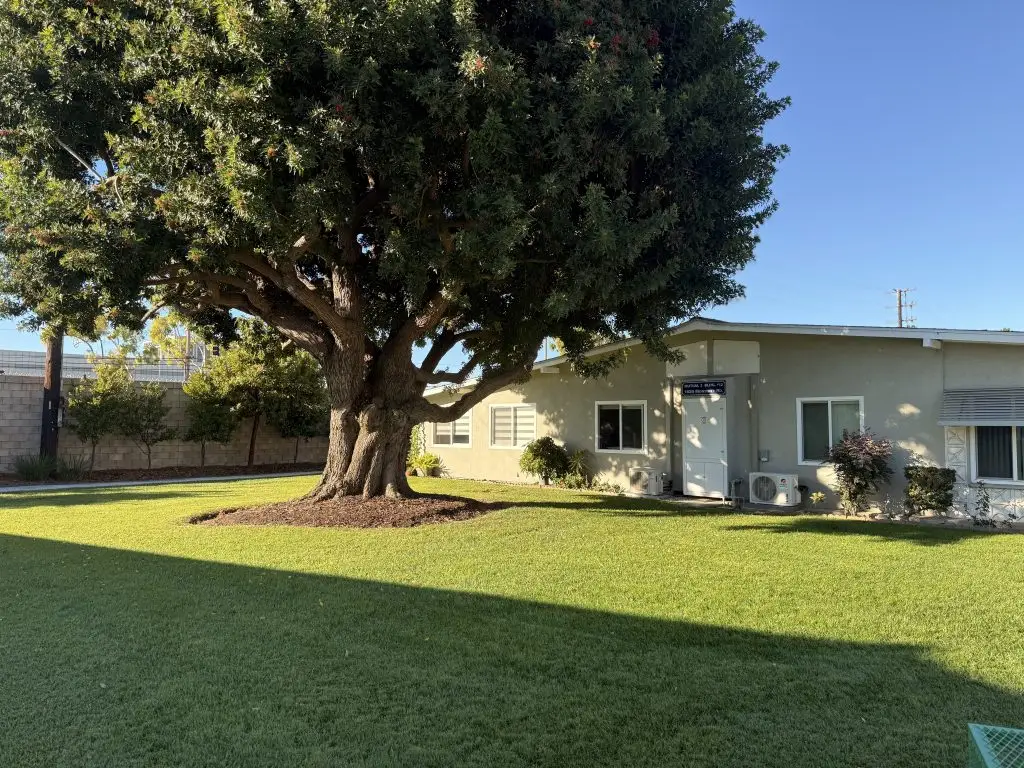
Condominiums generally benefit from mainstream mortgage products, which broaden the buyer pool and increase competition for well-priced units; higher demand supported by mortgages often translates into higher medians compared with co-op-heavy markets. Interest rate shifts influence buyer affordability and thus condo market values more directly because mortgage payments are the common purchase mechanism. Buyers evaluating Leisure World versus nearby condos should account for how financing access changes negotiation leverage and the likelihood of bidding scenarios, and sellers should consider how financing availability in surrounding neighborhoods may set comparative benchmarks.
How Can Sellers and Buyers Use Price Comparisons to Make Informed Decisions in Leisure World Seal Beach?
Price comparisons become actionable when translated into specific seller and buyer steps: selecting appropriate comps, adjusting for co-op versus condo differences, estimating effective monthly carrying costs, and aligning pricing or offer strategy with market liquidity. Sellers who price too aggressively in a co-op market risk extended days on market and board-related delays, while buyers who overlook HOA inclusions may miscalculate their total cost of ownership. Comparative analysis should therefore incorporate financing accessibility, amenity value, maintenance allocation, and historical volatility to craft offers and listing strategies that reflect true market dynamics.
How Can Sellers Set Competitive Prices Based on Nearby Market Data?
Sellers should follow a concise checklist that accounts for co-op peculiarities, local comps, and presentation to reduce days on market and align buyer expectations.
- Select Comparable Co-op Units: Use recent co-op sales with similar floorplans and included services for baseline pricing.
- Adjust for Condition and Inclusions: Increase or decrease list price based on renovations, parking, and amenities included in the HOA.
- Factor Board Approval Timing: Price to reflect any buyer reluctance caused by transfer procedures.
- Stage and Repair: Complete minor fixes and staging to enhance perceived value and shorten days on market.
- Set Negotiation Levers: Offer flexible closing timelines or include certain furnishings to entice cash or qualified buyers.
Applying this checklist helps sellers define a realistic list price and a marketing plan that targets the right buyer pool. In summary: practical preparation combined with co-op-adjusted comps improves sale outcomes.
What Should Buyers Know About Price Trends and Community Factors When Comparing Options?
Buyers should use a targeted checklist to compare Leisure World and alternatives, focusing on financing fit, monthly cost of ownership, and lifestyle priorities.
- Confirm Financing Options: Determine whether your preferred financing is accepted for the unit type.
- Compare Effective Monthly Costs: Add HOA, utilities, and likely out-of-pocket services to see true affordability.
- Assess Resale Liquidity: Ask about turnover rates and recent days on market to estimate future marketability.
- Value the Amenity Package: Quantify how included amenities reduce external spending and affect lifestyle fit.
- Plan for Board Processes: Understand approval timelines and any residency or age requirements.
These steps help buyers translate price comparisons into decisions that reflect both short-term affordability and long-term satisfaction. For customized support, request a comparative market analysis or buyer consultation to match listings to financing and lifestyle needs—an approach that turns data into actionable offers.
Meet Our Leisure World Real Estate Experts
This comprehensive market analysis is brought to you by the dedicated team at Leisure Living Resales (also operating as Leisure Life Real Estate). With unparalleled expertise specifically in Leisure World Seal Beach and its unique stock cooperative model, our agents possess deep, localized knowledge of pricing trends, financing intricacies, and community dynamics.
For years, we have served as trusted advisors for both buyers and sellers in this vibrant 55+ community, providing accurate valuations, strategic marketing, and seamless transaction support. Our commitment is to empower you with the most current and reliable information, ensuring you make informed decisions with confidence.
As your premier information hub, we are uniquely positioned to offer expert guidance and showcase available listings that truly align with your needs. For a personalized comparative analysis or a detailed valuation of your property, we invite you to connect with our specialists today.
Frequently Asked Questions
What are the benefits of living in a 55+ community like Leisure World Seal Beach?
Living in a 55+ community such as Leisure World Seal Beach offers numerous benefits tailored to older adults. These communities often provide a vibrant social environment with organized activities, clubs, and events that foster connections among residents. Additionally, amenities like fitness centers, pools, and recreational facilities promote an active lifestyle. Safety features, such as gated access and security services, enhance peace of mind. Furthermore, the maintenance-free living model allows residents to enjoy their retirement without the burdens of home upkeep, making it an attractive option for many seniors.
How do property taxes in Leisure World Seal Beach compare to other areas?
Property taxes in Leisure World Seal Beach can vary based on the specific unit and its assessed value. Generally, California’s property tax rate is around 1% of the assessed value, but additional local taxes and assessments may apply. Compared to other areas in Orange County, Leisure World may offer competitive tax rates, especially considering the bundled services included in HOA fees. It’s essential for potential buyers to consult with local tax authorities or real estate professionals to understand the specific tax implications of purchasing a co-op in this community.
What should potential buyers know about the co-op ownership model?
The co-op ownership model in Leisure World Seal Beach differs significantly from traditional homeownership. Instead of owning the property outright, residents purchase shares in a corporation that owns the entire community. This model can affect financing options, as many lenders are hesitant to provide loans for co-ops, often requiring all-cash purchases. Additionally, prospective buyers should be aware of the board approval process, which can include interviews and background checks. Understanding these nuances is crucial for buyers to navigate the co-op landscape effectively and make informed decisions.
What types of financing are available for purchasing a co-op in Leisure World?
Financing options for purchasing a co-op in Leisure World are typically more limited than for traditional homes. Many conventional mortgage products do not apply to co-ops, leading to a preference for all-cash transactions. However, some specialized lenders offer financing solutions tailored to co-op purchases, which may include higher down payment requirements and stricter underwriting standards. Buyers should explore these options early in their search and consult with financial advisors familiar with co-op financing to ensure they understand the implications and requirements involved.
How does the resale process work for co-ops in Leisure World?
The resale process for co-ops in Leisure World involves several unique steps compared to traditional real estate transactions. Sellers must typically obtain board approval for the sale, which can include submitting financial documents and undergoing an interview process. This requirement can add time and complexity to the transaction. Additionally, the sale price may be influenced by the cooperative’s rules and regulations, which can dictate pricing strategies. It’s advisable for sellers to work with real estate professionals experienced in co-op sales to navigate these intricacies effectively.
What lifestyle amenities are typically available in Leisure World Seal Beach?
Leisure World Seal Beach offers a wide range of lifestyle amenities designed to enhance the quality of life for its residents. Common amenities include clubhouses, fitness centers, swimming pools, and organized social activities that promote community engagement. Many residents also enjoy access to walking trails, gardens, and recreational facilities such as golf courses and hobby workshops. These amenities not only provide opportunities for physical activity but also foster social connections, making Leisure World an appealing choice for those seeking an active and fulfilling retirement lifestyle.
Conclusion
Understanding the unique dynamics of Leisure World Seal Beach empowers both buyers and sellers to make informed decisions in a competitive market. By analyzing key metrics such as median prices, days on market, and financing options, you can navigate the complexities of co-op ownership effectively. Whether you’re looking to buy or sell, leveraging expert insights can enhance your strategy and outcomes. Explore our resources for tailored market analysis and listings that align with your needs today.