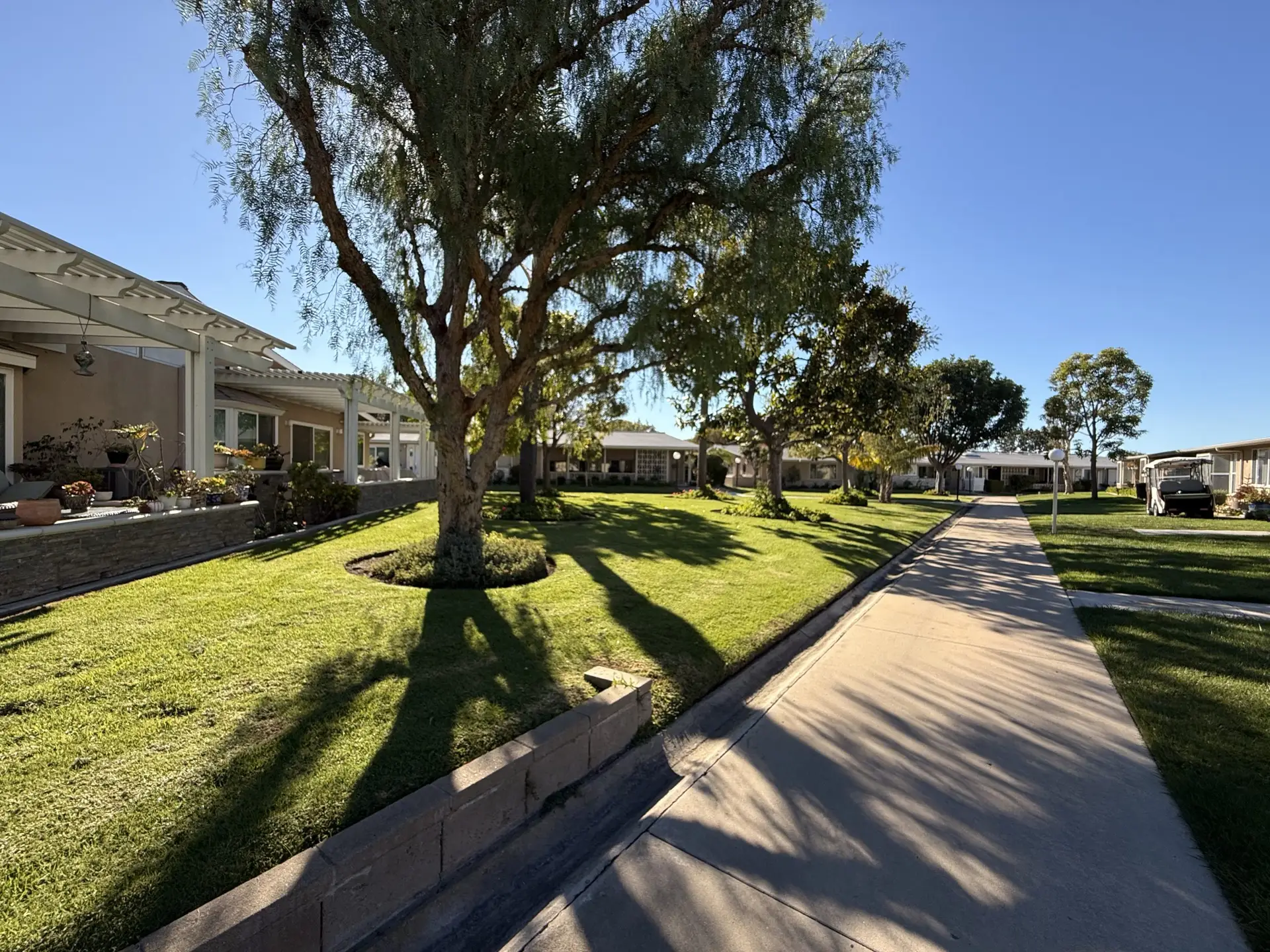
Discover Hidden Gems in Leisure World: A practical guide to unique homes and smart investment opportunities
In Leisure World Seal Beach, “hidden gems” are the undervalued or overlooked units, layouts, and pockets that the wider market hasn’t fully priced for their upside. This guide explains what qualifies as a hidden gem in a 55+ community, why these opportunities show up in senior-community real estate, and how focused buyers can find and secure them. Many people miss these chances because they look only at visible MLS listings or assume resale rules make upgrades pointless. We map discovery channels, practical evaluation criteria, and step-by-step buying tactics specific to Leisure World so you can spot priority property types, read neighborhood signals, run honest valuations, and handle HOA/resale approval mechanics. The sections below walk through definitions and examples, where to look, an evaluation framework with easy comparisons, reasons to invest, tactical discovery methods, and a checklist to turn a find into a successful closing.
What Are the Hidden Gems in Leisure World Real Estate Market?
Hidden gems in Leisure World are particular property types or conditions that offer more value than their list price suggests because they combine attractive physical traits, manageable resale requirements, and real buyer demand in ways most listings don’t. They appear because a layout is rare, a building is between renovation cycles, or the market simply overlooks them. The payoff is tangible: smoother negotiations, opportunity for tasteful improvements, and stronger resale appeal. Knowing these categories narrows your search and helps you spend time on units with asymmetric upside. The subsections below identify common types and contrast them with ordinary listings so you can sharpen your detection and prioritize inspections and offers.
Which Unique Property Types Are Considered Hidden Gems?
Typical hidden gems include end-unit condos with extra windows, lower-floor courtyard units with private outdoor access, and uncommon patio homes that combine a private entrance with low-maintenance living. Each type adds value in a clear way: end units give better light and privacy, lower-floor units help buyers who want easier access, and patio homes appeal to those who want a single-family feel inside a managed community. Investors and owner-occupiers should also watch for thoughtfully updated units that still have their resale-approval paperwork—renovation-ready but documented properties reduce approval risk and move to market faster. These subcategories—Leisure World condos, co-op resale units, 55+ community condominiums, and patio homes—are where hidden value shows up most often.
How Do Hidden Gems Differ from Typical Leisure World Listings?
Hidden gems stand apart in visibility, condition, and regulatory nuance. They’re often missed by casual searchers, usually need targeted rather than full-scale renovation, and may have resale-approval quirks that scare off uninformed buyers but not those who are prepared. Typical listings are mid-floor, standard layouts with straightforward comps; hidden gems offer orientation, rare layouts, or private outdoor space that can command a premium when priced and marketed correctly. Think of them as asymmetric opportunities: a little extra effort in search and due diligence can yield better outcomes than competing over broadly advertised, fully vetted listings. That understanding shapes negotiation tactics and inspection priorities when a true opportunity appears.
Where to Find the Best Hidden Real Estate Opportunities in Leisure World?
Finding undervalued units in Leisure World mixes geographic focus with active discovery: watch building age and renovation cycles, proximity to popular amenities, and off-market transaction frequency that signals motivated sellers. Combine those indicators with MLS alerts, community bulletin boards, and county records to catch undervalued pockets before they become widely known. Local agents and curated listing services often surface pre-market or off-market units by tapping resale-office contacts and neighborhood networks. Below is a compact view of neighborhood signals that commonly line up with undervaluation.
Certain neighborhood attributes tend to reveal overlooked pockets where price upside concentrates.
| Neighborhood Indicator | What to Look For | Why It May Be Undervalued |
|---|---|---|
| Older building cluster | Concentration of pre-renovation units | Owners may sell rather than renovate, creating pricing gaps |
| Proximity to amenities | Walking distance to clubhouse, pool, golf course | Minor friction (noise, foot traffic) can depress price despite convenience |
| Renovation cycle mismatch | Some buildings recently upgraded while adjacent ones are not | Neighboring older units lag comparables until new comps appear |
Reading building age and renovation timing helps you spot undervalued blocks where targeted searches pay off. Use those indicators to prioritize outreach and showings, then confirm opportunity with market data.
When you target these pockets, combine active and passive discovery methods to increase exposure to off-market movement and motivated sellers. The channels below describe practical steps you can use, and how curated listing support amplifies individual searches.
- Set up MLS alerts and saved searches for specific buildings, layouts, and price bands.
- Check community bulletin boards and resident forums for owner-posted sale notices and upcoming vacancies.
- Work with the resale office and neighborhood contacts to learn about anticipated relocations or estate sales.
These channels layer together: automated monitoring finds on-market entries, resident networks surface informal opportunities, and resale-office or agent outreach uncovers off-market prospects. Using all three raises your odds of early discovery and a competitive edge.
Leisure Life Real Estate helps buyers and sellers with curated property lists and pre-market alerts tailored to Leisure World Seal Beach. For motivated buyers, our neighborhood monitoring and pre-screening surface units that match preferred types—like patio homes or end-unit condos—while reducing search friction. Sellers get valuation guidance designed for senior-community resales so hidden features reach the right audience.
How to Evaluate Hidden Gems in Leisure World Real Estate Market?
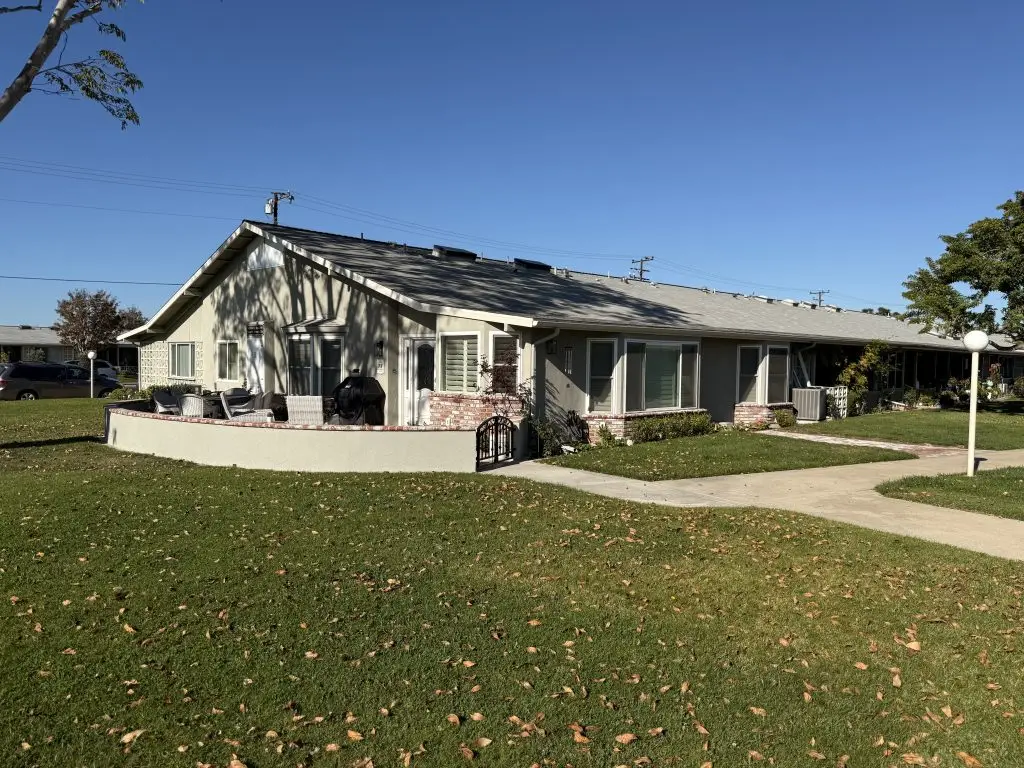
Evaluating a hidden gem calls for a repeatable framework that blends physical inspection, financial comparison, and resale-rule checks: review layout and condition, compare price-per-square-foot to recent local comps, and confirm HOA fees and resale-approval timelines to calculate carrying costs. This multi-attribute approach separates cosmetic upside from structural or approval risk and produces a consistent scoring method. The EAV table below contrasts common property types across the key attributes to help you run quick, comparative assessments.
Before you dive into renovation math or an offer, compare property type attributes to set realistic expectations.
| Property Type | Price Indicator | Typical Monthly HOA / Resale Note |
|---|---|---|
| 1BR Condo | Lower price per sq ft than 2BR units | Often lower HOA; faster resale approvals when documentation is current |
| 2BR Condo | Mid-market price with a broader buyer pool | Moderate HOA; strong demand for functional layouts |
| Patio Home | Higher entry price but lower perceived upkeep | HOA covers shared areas; appeals to buyers who want single-family feel |
This quick EAV comparison makes trade-offs clear: 1BRs can be lower-cost, 2BRs balance demand and liquidity, and patio homes carry premiums tied to their single-family attributes. Use these qualitative markers to shape your offer strategy around your buyer goals.
Use this concise checklist to turn those attributes into action when you evaluate a candidate hidden gem:
- Walk the layout and note rare or desirable features: orientation, extra windows, private entry, etc.
- Pull recent comps within the same and nearby buildings to estimate market-adjusted price per sq ft.
- Review HOA documents, monthly maintenance fees, and any special assessments that affect carrying costs.
- Confirm resale-approval timelines and required paperwork with the community resale office to avoid surprises.
- Estimate renovation costs and timing to model realistic ROI and breakeven horizons.
Following this sequence reduces uncertainty and supports a disciplined valuation. Turning impressions into a defensible offer mitigates both regulatory and financial risk.
What Key Features Make a Property a Hidden Gem?
A property becomes a hidden gem when overlooked physical advantages align with favorable financial or regulatory features: a rare layout, a low HOA relative to value, or a resale profile that fits a specific 55+ buyer segment. Physically, look for orientation that boosts natural light, an efficient floorplan that increases usable space, or private outdoor access that enhances daily life. Financially, seek price anomalies versus recent comps, reasonable monthly fees, and renovation costs that support attractive returns. From a regulatory view, clean resale approvals and documented community compliance lower transaction friction and build buyer confidence.
How to Assess Market Value vs. Potential Appreciation?
Compare today’s price with upside potential by starting with three comparable sales from the last six months, adjusting for layout and condition differences, and layering in neighborhood trend signals like permit activity or clustered renovations. Calculate renovation ROI conservatively—net gain after carrying costs and resale-office fees—and use local market trend lines (not wishful thinking) to model appreciation scenarios. A simple process helps: current price → adjusted comps; renovation investment → incremental resale value; neighborhood trend → likely appreciation path. Structuring valuation this way leads to offers that reflect current market reality and reasonable upside.
Why Invest in Hidden Gems within Leisure World Real Estate?
Investing in hidden gems captures price gaps created by visibility, layout rarity, or mismatched renovation timing and can deliver upside through tasteful improvements and targeted marketing to 55+ buyers. These purchases often face less competition, giving you negotiating leverage and better net returns after renovation and carrying costs. Beyond money, buyers gain lifestyle advantages important in senior communities—better layout, closer amenities, and customized accessibility—that add to total return. The risks tied to resale approvals, HOA rules, and senior-community financing are manageable with disciplined due diligence.
Leisure Life Real Estate assists investors and owner-occupiers with market-context valuation and curated property lists tailored to Leisure World buyers. We streamline discovery, verify resale-office requirements, and connect you to prioritized listings. Working with a local specialist reduces search time and improves the chance of finding genuine hidden gems before they hit the broader market.
What Are the Benefits of Buying Lesser-Known Properties?
Buying lesser-known properties brings several practical benefits in a senior-community setting: lower entry price versus comparable units, the chance to add value through focused renovations, and less buyer competition that can shorten time to agreement. Those benefits translate into stronger negotiation position, the ability to add accessibility upgrades that broaden market appeal, and an opportunity to market the home to a niche buyer profile. For retirees and downsizers, lesser-known properties can also deliver immediate lifestyle wins—better layouts, convenient amenities, or lower maintenance—alongside financial upside.
How Can Hidden Gems Maximize Long-Term Returns?
Turn a hidden-gem purchase into long-term value with a conservative, phased plan: prioritize renovations that solve buyer pain points (kitchen, bath, accessibility), market the home to the right 55+ audience, and time resale to favorable local market cycles. Effective value-adds at Leisure World include modest accessibility upgrades, cosmetic updates with proper workmanship documentation, and staging that showcases private outdoor areas or unique layouts. Using conservative appreciation estimates and realistic renovation timelines keeps downside risk low and sets achievable return expectations. Over time, these measures convert initial arbitrage into steady, lasting value.
What Are the Best Strategies to Discover Hidden Gems in Leisure World?
The best discovery playbook blends data-driven monitoring with neighborhood-level intelligence: create targeted MLS alerts for buildings and layouts, scan county permit filings for concentrated upgrade activity, and build relationships with resale-office staff and local agents who hear about estate sales or motivated sellers early. These tactics use both market signals and local networks to surface opportunities before broad exposure. Below are practical trend indicators and tools to fold into a repeatable discovery routine.
- Track building-level days-on-market and sale frequency to spot stagnating pockets that may harbor motivated sellers.
- Monitor permit filings and contractor activity to detect nearby renovations that often presage price adjustments.
- Cultivate local contacts—resale-office clerks, property managers, contractors—to receive informal leads on upcoming vacancies.
These tactics create a proactive funnel: automated alerts identify candidates, public records confirm activity, and human networks deliver early or off-market options. Consistently applying them increases the flow of viable opportunities.
How Can Local Market Trends Reveal Hidden Opportunities?
Local trend metrics—clustered renovation permits, a spike in days-on-market followed by price resets, or shifts in buyer demographics—highlight pockets ripe for appreciation where hidden gems often surface. Interpreting these signals means triangulating permit data, resale-office activity, and sales velocity to decide whether a price plateau signals stagnation or a temporary dislocation. Monitoring these metrics lets buyers anticipate when undervalued units will reprice or when nearby renovations will lift comps. Meaningful trends commonly take 6–24 months to play out; patience plus targeted offers often captures the best entry points.
Which Tools and Resources Help Find Off-Market Properties?

Useful tools for finding off-market or undervalued units include MLS saved searches with fine filters, county public-record databases for permits and probate notices, resale-office postings, and direct networking within resident groups. Agents focused on Leisure World can provide curated lists and pre-market alerts that combine these data sources into actionable leads. A local specialist translates raw signals into showable opportunities and pre-validates resale-office requirements, saving time and reducing transaction risk. The steps below show how to set these tools up.
- Create narrow MLS alerts by building, layout type, and days-on-market to cut noise and raise signal quality.
- Subscribe to county permit alerts around Leisure World to spot concentrated renovation activity near target buildings.
- Regularly check resale-office postings and join resident groups to surface informal seller notices before they reach MLS.
These steps operationalize discovery and build a funnel for high-probability opportunities; pairing the process with agent outreach accelerates access to hidden inventory and off-market sales.
How to Navigate the Buying Process for Hidden Gems in Leisure World?
Buying in Leisure World requires attention to steps unique to senior-community resales—financing and pre-approval, HOA and resale-office approvals, and disclosure and inspection practices that protect both sides. A clear process cuts surprises: pre-qualify financing and check resale-approval constraints early, schedule inspections that include community-specific compliance items, and align offer timing with HOA timelines. The numbered checklist below describes the critical path from discovery to closing for hidden or off-market purchases, highlighting steps that reduce common senior-community transaction risks.
- Get mortgage pre-approval or confirm funds and identify any financing limits specific to 55+ resales.
- Engage a local agent to confirm resale-office paperwork and to seek pre-clearance when possible.
- Order targeted inspections that cover the home’s unique features and any community-compliance items.
- Structure an offer that reflects realistic resale-office timelines and possible HOA contingencies.
- Coordinate closing logistics with the resale office and HOA to ensure approvals are completed before transfer.
This checklist focuses on the transaction touchpoints that most commonly cause delays. Linking each step from discovery to closing reduces the chance of surprises derailing a negotiated purchase.
What Are the Common Challenges When Buying Hidden Properties?
Typical challenges include limited disclosures (common in informal or estate listings), unexpected HOA or resale-office requirements, and financing or appraisal issues in small, specialized markets. Limited disclosures mean you may need deeper inspections and title work. HOA review timelines can add several weeks, so build time buffers into offers. Appraisals may be tricky when direct comps are scarce—work with lenders experienced in senior-community resales to smooth underwriting. Mitigate risk with early escrow deposits tied to approvals, conditional offers that require resale clearance, and local specialists for title and financing.
How to Work with Agents Specializing in Leisure World Hidden Gems?
A specialist Leisure World agent brings off-market access, knowledge of resale-office procedures, and a network of local contacts that raise the odds of finding and closing true hidden gems. When vetting agents, ask about their Leisure World resale experience, examples of curated searches they maintain, and how they validate HOA documentation before offers. A simple vetting checklist includes checking the agent’s track record with community resales, requesting examples of targeted lists, and confirming how they manage inspections and resale-office handoffs. For buyers ready to proceed, consider contacting Mark Hughes, REALTOR‑Broker at Leisure Life Real Estate — he focuses on local resale dynamics and pre‑market discovery.
- Verify Community Experience: Confirm the agent’s track record with Leisure World resale approvals and local comps.
- Request Curated Lists: Ask for targeted lists by building and layout to see how the agent finds off‑market leads.
- Confirm Process Management: Ensure the agent coordinates resale-office requirements and timelines to avoid closing delays.
These steps help you pick an agent who delivers both discovery and execution, making it easier to convert a found hidden gem into a completed purchase. A focused specialist shortens timelines and reduces regulatory risk so you can capture the asymmetric value these properties offer.
Frequently Asked Questions
What are the risks associated with investing in hidden gems?
Risks include hidden property defects, unexpected HOA restrictions, and resale-approval hurdles. Some homes will need larger renovations than first thought, and unique features can narrow buyer appeal. You can reduce these risks with thorough inspections, clear title checks, and help from agents who know community regulations.
How can I finance a hidden gem in a 55+ community?
Financing often requires extra attention to resale restrictions and HOA rules. Many lenders have specific guidelines for senior communities, so work with a mortgage broker experienced in this niche. Be prepared for appraisal challenges when direct comps are scarce; securing pre-approval and discussing options early keeps the process moving.
What should I look for during property inspections?
Inspect both major systems and unique value-driving features. Check for structural issues, water damage, and the condition of plumbing and electrical systems. Note layout advantages—extra windows, private outdoor spaces, or easier access—and confirm any community compliance items that could affect usability or resale.
How do I determine the right offer price for a hidden gem?
Price a hidden gem by combining recent comps with a careful adjustment for unique features and renovation needs. Factor in HOA fees, resale restrictions, and realistic renovation costs. A measured, well-documented offer reflects current market conditions and the property’s specific attributes.
What are the benefits of working with a local real estate agent?
A local agent who knows Leisure World offers clear advantages: insider knowledge of resale processes, access to off-market listings, and guidance through HOA and resale approvals. They can surface hidden gems that aren’t widely advertised and help avoid transaction pitfalls.
How can I stay updated on new hidden gem listings?
Set up narrow MLS alerts for your target buildings and layouts, watch community bulletin boards and local forums, and stay connected with agents who specialize in the area. Networking with residents and attending community events can also reveal early or informal sale notices.
What role do community amenities play in property value?
Amenities matter a great deal in 55+ communities. Proximity to clubhouse facilities, pools, and golf can boost appeal—but nearby activity can also introduce noise or foot traffic that affects price. Units that balance easy access with minimal downside often represent the best hidden gems.
Conclusion
Hidden gems in the Leisure World market give buyers a chance to buy properties with overlooked advantages that can be improved or repositioned for appreciation. Understanding the community’s resale mechanics, focusing on the right property types, and working with local experts will help you find homes that deliver both lifestyle and financial benefits. If you’re ready to start, explore our curated listings and reach out for guidance tailored to Leisure World Seal Beach.