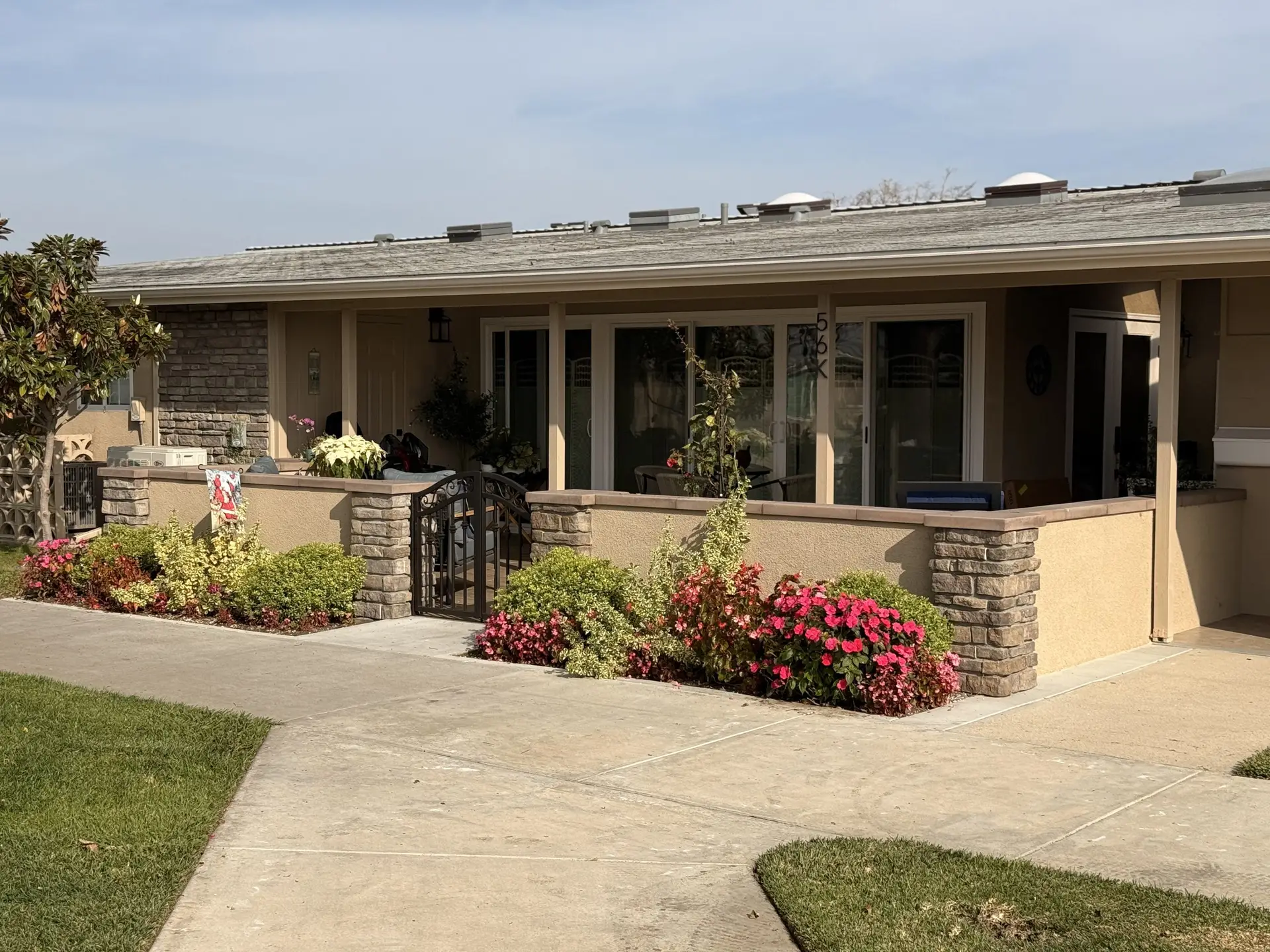
2023 Leisure World Seal Beach — Home Prices
This guide lays out typical price ranges and the market forces shaping Leisure World Seal Beach homes in 2023. It’s written to help buyers and sellers understand current values and what to expect when they list or make an offer.
You’ll learn how prices differ by ownership type (stock cooperative vs. condominium), how purchase rules and financing affect demand, what HOA fees mean for your monthly budget, and which market trends are shifting negotiation leverage right now.
Our focus is practical: we explain what these dynamics mean for older-adult buyers and for sellers preparing a listing, using community-specific ownership models and real transaction patterns to show what drives price variation.
Leisure Living Resales is a local resource dedicated to Leisure World transactions — we point you to current listings and provide tailored, community-specific guidance.
The article gives a short market snapshot, explains co-op mechanics and pricing, compares condo financing and price bands, breaks down HOA fees and covered services, analyzes timing and trends, and finishes with a comparison to nearby 55+ communities to help buyers choose the right fit.
What Are the Current Home Prices in Leisure World Seal Beach?
Home prices in Leisure World Seal Beach cover a range rather than a single number because the community has mixed ownership types and varied buyer preferences.
Price depends most on ownership form (stock cooperative vs. condominium), unit size and condition, and how close the unit is to campus amenities. Those factors guide listing strategy and buyer competition.
To understand where a particular unit sits, look at median indicators, typical low-to-high bands for entry versus premium units, and transaction-speed metrics that show how hot the market is.
Below is a clear, scannable table that summarizes how property type, typical pricing, and market pace interact across the community.
| Property Type | Typical Price Band | Typical Market Pace |
|---|---|---|
| Stock cooperative homes | Entry to mid-range; upgrades and location add premium | Sell quickly when priced well and ready to move in |
| Condominiums | Mid-range up to higher-end when financeable | Larger buyer pool often shortens days on market |
| 1–2 bedroom units | From entry-level to comfortable mid-tier | One-bedrooms in turnkey condition see especially strong demand |
This table shows stock cooperatives tend to trade in different bands than condos, and that unit size strongly influences a listing’s place in the community price structure.
The next section explains the community median and what it means for buyers and sellers.
What Is the Median Home Price for 2023?
The median home price for 2023 is the midpoint of closed sales and gives a practical benchmark for owners and buyers.
Because Leisure World mixes co-ops and condos, the median helps smooth those differences and provides a useful reference for pricing and offers.
For sellers, the median shows where comparable listings often cluster. For buyers, it signals a typical entry point and helps set budgets that include HOA fees and maintenance.
Remember: seasonality and unit condition can push individual sales above or below the community median.
How Do Price Ranges Vary by Property Type?
Price ranges differ noticeably by property type because ownership rules, financing availability, and buyer pool size all affect market value.
Stock cooperative homes attract a narrower set of buyers due to purchase rules, which tends to compress price bands and favor cash-ready buyers seeking a quick, predictable close.
Condominiums, when they meet lender standards, draw mortgage buyers and wider interest — that broader demand can drive higher prices for comparable units.
Upgrades, ocean or green-space views, and proximity to key campus services commonly move individual listings toward the top of their respective ranges.
How Do Stock Cooperatives Affect Home Prices and Buyer Requirements?
In a stock cooperative you buy shares in the corporation that owns the building rather than a fee-simple parcel. That structure changes pricing mechanics and who can buy.
Co-op ownership is governed by bylaws and association rules, so many transactions require board approval and may limit or discourage traditional mortgage financing. That narrows the buyer pool and influences listing price strategy.
Because the buyer pool is smaller, co-op prices can look lower on paper but often attract competitive, all-cash buyers who value community stability and services.
The next paragraphs explain why financing is sometimes limited for co-ops and the common co-op price bands you’ll see.
| Entity | Attribute | Value |
|---|---|---|
| Stock cooperative | Purchase requirement | Often cash or limited financing due to bylaws |
| Share ownership | Approval process | Board review and community underwriting apply |
| Price impact | Demand effect | Narrower buyer pool can compress list prices but increase cash buyer competition |
This table shows co-ops operate with governance and underwriting steps that materially change who can buy and how prices form.
Below we offer practical tips for buyers who can pay cash.
Why Do Stock Cooperatives Require All-Cash Purchases?
Many stock cooperatives end up with cash-only sales because bylaws, underwriting standards, and lender comfort make mortgages difficult to obtain for certain co-op structures.
Co-ops sometimes have reserve or operational rules that complicate conventional underwriting, and not every lender is willing to underwrite loans on those structures — reducing available financing.
The result is a market where buyers with verifiable liquidity are advantaged; cash purchases also speed closings for buyers who are prepared.
If you’re considering a co-op, have clear proof of funds and understand the board approval timeline — both improve your chances of a smooth purchase.
What Are Typical Price Ranges for Stock Cooperative Homes?
Co-op price ranges group by unit size, condition, and location on campus. Entry-level units appeal to buyers looking for affordability, while updated or well-located units command a premium.
Well-maintained or recently renovated units near desirable amenities usually sell at the higher end of the co-op band; those needing work or with less-favored locations sit at the lower end.
Competitively priced co-ops often have shorter negotiation windows, and buyers sometimes pay more for turnkey units because of the convenience and nearby services.
Knowing these bands helps sellers set realistic prices and helps buyers find listings that match their priorities.
What Are the Price Ranges and Financing Options for Condominiums?
Condo pricing is shaped by the broader mortgage market and by the condominium association’s financial health. When condos meet lender standards, their price ranges often overlap with — and can exceed — co-op bands because financing widens the buyer pool.
Condominiums that qualify for conventional, VA, or other loans attract more buyers, which supports higher list prices for desirable, financeable units.
Key financing considerations include association reserves, required documentation, and whether the condominium project is approved by lenders — all of which affect how easily a buyer can get a mortgage and how competitively a listing can be priced.
The table below compares core financing features and pricing effects for condos versus co-ops.
| Ownership Type | Financing Availability | Pricing Implication |
|---|---|---|
| Condominium | Broader mortgage options when association meets lender standards | Larger buyer pool; potential for higher prices |
| Stock cooperative | Financing often limited or restricted | Narrower buyer pool; pricing reflects cash-market dynamics |
| Unit condition & docs | Association reserves and documentation | Directly affects lender willingness and buyer demand |
This comparison highlights that financing availability directly shapes buyer reach and price potential for condos versus co-ops.
The next section explains practical financing pathways for condo buyers and how Leisure Living Resales can help.
How Do Condominium Prices Compare to Co-ops?
Condominium prices often sit higher than co-ops because mortgages bring more buyers and leverage into offers, pushing achievable prices up for similar-condition units.
That said, a turnkey co-op with great location can still fetch strong effective prices from cash buyers. Ownership type matters, but condition and location can override it.
Buyers should consider financing trade-offs together with lifestyle and governance differences when comparing condos and co-ops.
What Financing Options Are Available for Condominiums?
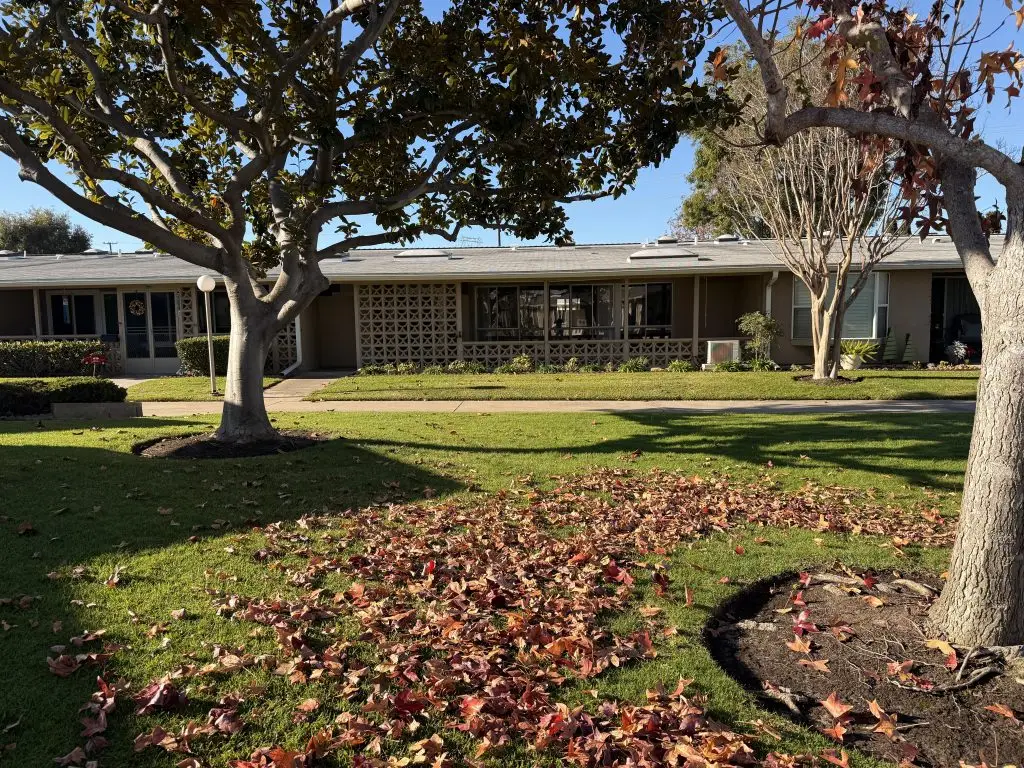
Condo buyers should be familiar with standard mortgage paths and prepare the documentation lenders expect — including association financials and reserve studies when applicable.
Usual loan options include conventional mortgages and other programs that depend on condo association eligibility. Get pre-approved early so you know your buying power.
Practical steps: request the condo underwriting packet, confirm association financial health, and work with lenders experienced in condo projects to avoid delays.
If you want introductions to vetted lenders or help locating financeable condo listings, Leisure Living Resales can connect you to resources that match your pre-approval profile.
How Do HOA Fees Influence Overall Housing Costs in Leisure World Seal Beach?
Monthly HOA fees make up a meaningful part of total housing cost here because they cover maintenance, security, amenities, and shared services that otherwise would be individual expenses.
Fees vary by ownership plan and unit size. Factor them into monthly affordability alongside mortgage payments (when applicable), taxes, insurance, and utilities.
Knowing what HOA fees include helps you weigh a higher fee against the convenience of maintenance-free living, security, or on-site programs.
The table below breaks down common fee categories and their budget implications.
| Fee Component | Typical Coverage | Budget Impact |
|---|---|---|
| Maintenance & building upkeep | Exterior, common areas, structural repairs | Lowers unexpected out-of-pocket repair costs |
| Security & staffing | Gate or patrol services, staff operations | Adds a predictable cost for on-site safety |
| Amenities & programming | Clubs, pools, recreational offerings | Enhances lifestyle but increases monthly expense |
This breakdown shows HOA fees turn several homeowner responsibilities into predictable monthly charges — a big convenience for many retirees, but a recurring cost to plan for.
The next subsection gives a short budgeting framework for buyers.
What Is the Average Monthly HOA Fee in 2023?
Average monthly HOA fees depend on the ownership plan and unit size, and they should be treated as a regular line item in your budget — not a minor afterthought.
Variations come from plan coverage, building-level services, and unit scale. Review association budgets to gauge likely fee trends over time.
When estimating total cost of ownership, add HOA fees to expected utilities, insurance, and any mortgage payments for a complete affordability picture.
Ask the listing agent for a detailed fee breakdown and recent assessments to compare true monthly costs between listings.
What Services and Amenities Are Covered by HOA Fees?
HOA fees typically cover services and amenities that support maintenance-free living and community programming — features many older-adult residents value highly.
Common inclusions: shared-area maintenance, landscaping and exterior repairs, security operations, and access to clubhouse, pool, and recreational facilities.
Bundling these services creates convenience and predictability, reduces individual management tasks, and supports social and safety benefits for residents.
Reviewing exactly what’s included helps you decide whether a higher monthly fee is worth the net savings and lifestyle value.
- Maintenance of shared structures and landscaping is commonly included.
- Security and staffing for gate or patrol services are often covered and add to resident safety.
- Amenities such as clubhouses, pools, classes, and social programming are usually paid for through monthly fees.
Understanding these items clarifies what you get in the monthly charge and frames HOA fees as both cost and lifestyle investment.
The next section looks at market trends that influence how fast units sell and how sellers should price listings.
What Market Trends Are Shaping Leisure World Seal Beach Home Values in 2023?
Key market trends include inventory levels, the share of financeable condos versus cash-only co-ops, seasonal listing patterns, and regional demand for 55+ community living.
Price movement depends on how these forces interact: limited inventory with steady demand favors sellers; higher inventory or financing hurdles shifts leverage to buyers.
Watch days on market and sale-to-list ratios for a quick read on negotiation leverage and the best time to list.
Major trend drivers and what they mean for buyers and sellers:
- Inventory balance and the proportion of financeable condos vs. cash-only co-ops affect how many buyers can compete.
- Seasonality and community events create predictable listing peaks that influence days on market.
- Association financial health and perceived value of included services affect buyers’ willingness to accept HOA levels.
Sellers who time listings for high-demand windows and who present strong association documentation often get better results. Buyers who know the financing constraints can structure offers to be more competitive.
The next subsection answers whether conditions currently favor sellers or buyers.
Is It a Seller’s or Buyer’s Market?
Whether the market favors sellers or buyers depends on inventory relative to qualified buyer demand and sale-to-list ratios. Low supply and rising sale-to-list percentages tip the balance to sellers; the reverse favors buyers.
Because Leisure World includes many co-ops, demand can look uneven — cash-only rules narrow options even if overall interest in 55+ living remains steady.
In practice, the market can be mixed: seller advantage for well-priced, financeable condos, and more conditional dynamics for co-ops.
Sellers should set pricing with ownership type and current buyer activity in mind to capture the prevailing market power.
How Have Days on Market and Sales Volume Changed?
Days on market and sales volume are useful early indicators: shorter days on market mean quicker decisions and less negotiation room, while higher sales volume signals more buyer activity and upward pressure on prices.
Longer days and lower sales volume give buyers more negotiating room and prompt sellers to refine price or presentation.
Monitor these metrics regularly so buyers can time offers better and sellers can tweak marketing and pricing to match market speed.
How Does Leisure World Seal Beach Compare to Other 55+ Communities in Orange County?
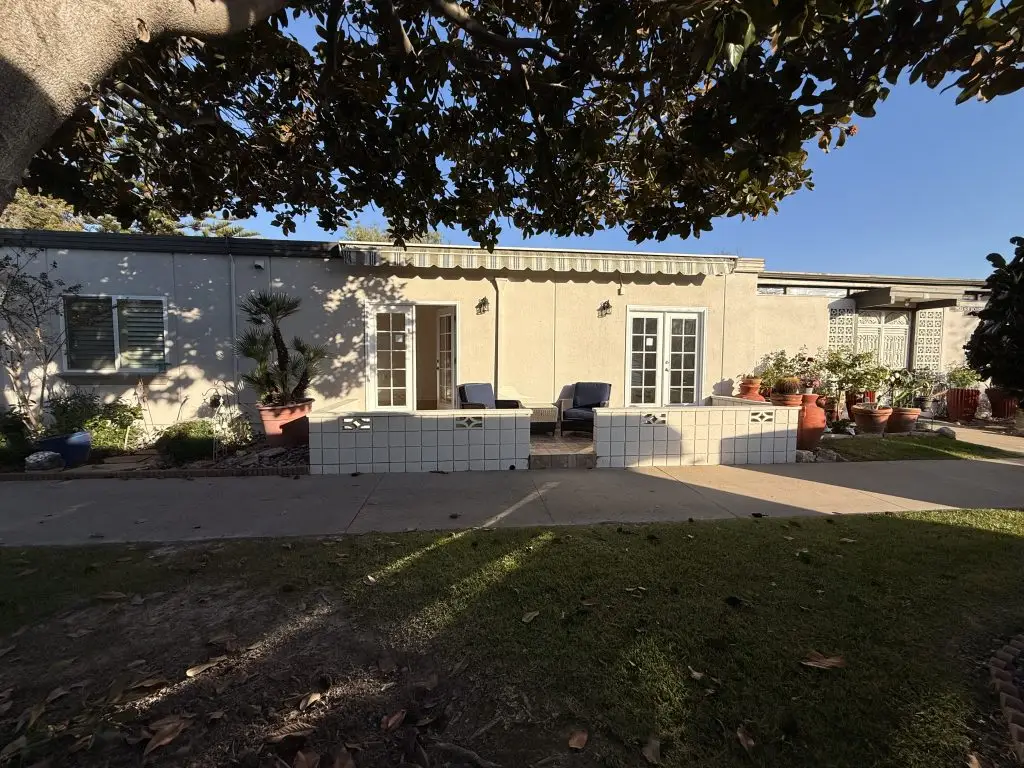
Leisure World Seal Beach stands out in Orange County for its mixed ownership, rich on-campus amenities, and coastal-adjacent location — all of which shape pricing and buyer preferences.
Compared with peers, differences in governance, amenity depth, and financing create trade-offs: some buyers prefer lower monthly fees and a maintenance-light lifestyle; others prioritize financeability and broader resale liquidity.
The short table below compares Leisure World with two commonly referenced peer communities to help frame buyer decisions.
| Community | Typical Price Positioning | Key Differentiator |
|---|---|---|
| Leisure World Seal Beach | Mid-range with notable co-op segments | Mixed ownership and strong on-campus amenities |
| Laguna Woods Village | Similar 55+ focus with a different amenity mix | Larger-scale programming and on-site services |
| Rancho Mission Viejo (55+ neighborhoods) | Varies; newer inventory often commands a premium | Newer construction and master-planned amenities |
Use this comparison to balance price against desired amenities, governance preferences, and how important mortgage availability is for resale liquidity.
Common buyer personas and the communities they often prefer:
- Buyers wanting established programming and maintenance-free living often pick communities with bundled services and active social calendars.
- Buyers who need a mortgage and want broader resale liquidity tend to prefer communities where condos are more common and lender-supported.
- Buyers seeking newer construction, modern layouts, and developer warranties often value master-planned 55+ neighborhoods.
These personas help match buyers to communities that fit both financial and lifestyle priorities.
If you want personalized guidance or access to current listings, the final section explains how Leisure Living Resales can help.
Leisure Living Resales is a local information hub focused on Leisure World Seal Beach transactions. We help buyers and sellers with targeted listing visibility, community-specific advice, and introductions to professionals experienced in co-op and condo processes.
The team — led by Mark Hughes and Judy Hughes — brings local expertise and practical help navigating co-op rules, HOA paperwork, and condo financing pathways.
Sellers can request a personalized market summary, and buyers can get targeted listings that match their financing profile or cash readiness.
Working with a local hub speeds document collection, clarifies association requirements, and helps prioritize listings that match a buyer’s criteria.
- Listing support: Information and showcase services tailored to Leisure World ownership types.
- Transaction guidance: Help understanding co-op approval processes and condo financing requirements.
- Buyer matching: Assistance finding listings that align with pre-approval status or cash capability.
With local market knowledge and community-specific transaction experience, Leisure Living Resales aims to make each step of buying or selling in Leisure World Seal Beach clearer and more efficient.
Frequently Asked Questions
What are the key differences between stock cooperatives and condominiums in Leisure World Seal Beach?
Stock cooperatives and condominiums differ mainly in ownership structure and financing. In a stock co-op you buy shares in the corporation that owns the property — transactions usually need board approval and often favor cash purchases. Condominiums are individually owned units that more commonly allow mortgages. That difference affects who can buy, how many buyers compete, and ultimately price dynamics. Condos typically attract a wider buyer pool because they’re easier to finance.
How do seasonal trends affect home prices in Leisure World Seal Beach?
Seasonal patterns matter. Spring and summer usually see more listings and stronger activity, while winter can be quieter and create negotiating opportunities. Timing a sale or purchase around these cycles can improve your chances of a faster sale or a better price.
What should buyers consider when evaluating HOA fees?
Look at what the HOA fee covers versus the cost of paying for those items yourself. Typical inclusions are maintenance, security, and recreational facilities. Also review the association’s budget and reserve levels to spot possible future increases. Compare the monthly fee to the convenience and services you’ll receive to decide if it’s worth it.
How can buyers prepare for the board approval process in stock cooperatives?
Gather your financial statements and proof of funds early and learn the co-op’s bylaws. Work with an agent who knows co-op transactions, and be ready for a board interview if required. Clear, organized paperwork and a respectful approach to the process improve your odds of approval.
What are the implications of financing availability on home prices?
Financing availability strongly influences price. Properties that qualify for conventional loans typically draw more buyers and can command higher prices. Co-ops that require cash limit buyer options and can compress prices. Understanding which properties are financeable helps both buyers and sellers set realistic expectations.
What are the benefits of using a local real estate resource like Leisure Living Resales?
A local resource offers specialized knowledge of Leisure World’s ownership models and transaction quirks. We can match buyers to listings that fit their financing profile, guide sellers through pricing and presentation, and introduce you to lenders and service providers who know this market. That local focus makes the process faster and less confusing.
Conclusion
Knowing the current home prices and market dynamics in Leisure World Seal Beach helps buyers and sellers make smarter choices. Distinguishing between stock cooperatives and condominiums clarifies financing options, likely buyer pools, and realistic price expectations. Working with a local partner like Leisure Living Resales gives you targeted insight and access to listings that match your needs. Ready to get started? Explore our services or reach out to connect with our team.