Explore Leisure World Amenities for Active 55+ Living
Leisure World Seal Beach is a 55+ planned community that pairs comfortable residential living with a rich range of recreational facilities tailored for active adults. This guide maps the community’s core amenities—clubhouses, a 9‑hole golf course, an aquatic center, fitness rooms, sports courts, arts studios, and more—and explains how each supports physical health, social connection, and even real‑estate appeal. Buyers and sellers frequently weigh lifestyle features along with market data; knowing how amenities work day‑to‑day makes it easier to evaluate properties. Throughout this guide we summarize facility details, typical programs and schedules, rehabilitation and wellness benefits, and how clubs and creative offerings build community. You’ll also find practical checklists and guidance that link Leisure World programming to real‑estate considerations.
Top recreational amenities at Leisure World Seal Beach
Leisure World centers on a balanced mix of indoor social hubs and outdoor activity spaces that support active aging. Highlights include multiple clubhouses for events and classes, a 9‑hole golf course, an aquatic center with lap and therapy pools, fitness centers with senior‑friendly equipment, and courts for pickleball, bocce, and shuffleboard. Together these amenities create a routine of exercise, hobbies, and volunteer opportunities. The Golden Rain Foundation (GRF) coordinates many schedules and policies, and local healthcare partners work with facilities on wellness programming. The table below gives a quick snapshot to help prioritize proximity or programming when you’re touring homes.
This table shows each facility’s main uses and key accessibility notes.
| Facility | Primary Activities | Accessibility & Notes |
|---|---|---|
| Clubhouses (multiple) | Social events, meetings, classes, performances | Accessible meeting rooms, staged event spaces, calendars managed by GRF |
| 9-Hole Golf Course | Casual play, leagues, tournaments | Short, senior‑friendly layout with a practice green |
| Aquatic Center | Lap swimming, water aerobics, therapy | Lap and therapy pools with easy‑entry options |
| Fitness Centers | Cardio, strength training, group exercise | Adapted machines and classes for balance and mobility |
| Sports Courts | Pickleball, bocce, shuffleboard | Outdoor courts with reservation and league systems |
This quick comparison helps buyers and residents match amenities to daily habits and mobility needs. Below we unpack how each facility supports senior living and what to look for when evaluating homes nearby.
These amenities also enable steady programming and organized clubs that create a dependable rhythm of classes and events residents count on. The next section explains the clubhouse network and what new residents can expect from these social hubs.
How many clubhouses and social hubs are on site?
Leisure World has several clubhouse properties that serve as social centers for scheduled classes, club meetings, performances, and private gatherings. Each clubhouse typically includes meeting rooms, hobby spaces, and multipurpose halls that support groups from small workshops to full concerts. Calendars shift with the seasons and include both drop‑in activities and reservation events, so residents have flexible ways to join. Many clubhouses are near transportation loops and accessible parking, and GRF posts event notices that are useful when you’re settling in.
Clubhouses are also where volunteers and club leaders recruit and organize—helping sustain the community’s extensive club ecosystem. Understanding clubhouse programming makes it easier to plan attendance or to prioritize homes near a favored social hub when touring neighborhoods.
What sports courts and outdoor activities are available?
Outdoor spaces are designed for low‑impact, social sports that are easy to learn and play regularly. You’ll find multiple pickleball courts, bocce courts, and shuffleboard areas, along with walking paths and gardens for casual exercise. These spaces host scheduled leagues, drop‑in play, and round‑robin events that pair newcomers with regular players, so joining is straightforward at any level. Courts usually follow reservation systems or posted signup sheets, and leagues range from social play to competitive divisions for experienced participants.
Regular access to outdoor courts supports cardiovascular health, balance, and social life—and well‑maintained courts are often a deciding factor for buyers who value active outdoor living. Knowing peak times and scheduling norms helps prospective residents plan visits and assess proximity when touring homes.
How the Leisure World golf course enhances community life
The community golf course is a 9‑hole layout that offers exercise, social interaction, and an attractive amenity for buyers who prioritize golf. Designed with seniors in mind, it features accessible tees, practice areas, and a calendar of resident leagues and casual play. Golf provides low‑impact cardiovascular activity, walking options, and skill practice that supports coordination and concentration. The course also adds neighborhood appeal for buyers seeking easy access to greenside social life and organized competition.
Below is a concise facts table highlighting features that matter to players and property shoppers.
| Course Feature | Attribute | Typical Value |
|---|---|---|
| Number of holes | Layout | 9 holes |
| Course length | Play distance | Shorter, senior‑friendly routing |
| Practice facilities | Teaching & practice | Practice green and short‑game area |
| Competitive play | Leagues/tournaments | Regular resident leagues and events |
The compact design reduces barriers to frequent play and makes the course a focal point for social traditions. The next section describes layout and accessibility elements that matter most to senior golfers.
What are the course features and layout?
The 9‑hole layout prioritizes walkability and accessible play, with shorter holes and tee placements that let players tailor difficulty to stamina and mobility. Practice greens and short‑game areas make lessons and daily practice convenient without committing to a full round. Pathways minimize steep grades, and cart access plus resting spots help players with limited endurance finish rounds comfortably. These design choices encourage regular play, which supports steady physical activity and social time with fellow golfers.
Understanding the layout helps buyers estimate how often they’ll play and whether proximity to tees or practice facilities should influence a home choice.
Which golf leagues and tournaments are available?
Leisure World offers a mix of resident leagues and tournament formats for competitive and recreational players—morning leagues, mixed foursomes, and flighted events by skill level. Signups usually happen at clubhouse bulletin boards or through league coordinators, and newcomers are often placed in beginner divisions or paired with experienced members for mentorship. Regular tournaments also serve as social and fundraising events that bring different groups together. The league structure encourages consistent play and new friendships, which is why homes near the course often attract quick buyer interest.
If golf access is a priority, Leisure Living Resales can point to homes close to the course and arrange tours that consider walking routes and cart access. Our local expertise links amenity priorities to available listings so your lifestyle needs drive the search.
Fitness facilities and senior health programs
Fitness centers at Leisure World offer equipment and group programs focused on cardiovascular fitness, strength, balance, and fall prevention—designed specifically for older adults. Facilities typically include low‑impact cardio machines, resistance equipment adapted for limited mobility, and studios for group classes emphasizing functional movement. Staffed classes and wellness initiatives often partner with local healthcare providers to incorporate preventative and condition‑specific work. These programs support personal health goals and foster community through scheduled classes and peer encouragement.
The next section lists common equipment and class options residents encounter.
What equipment and classes are offered in fitness centers?
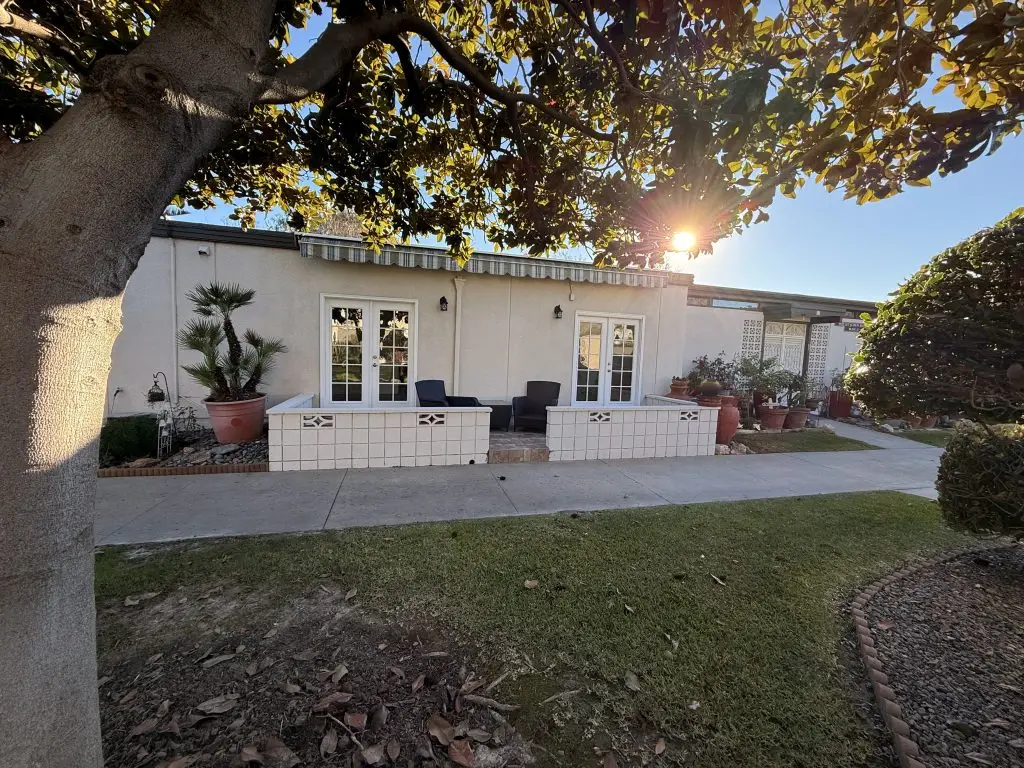
Centers include treadmills and recumbent bikes for safe cardio, resistance machines with guided settings, light free weights, and balance stations. Group classes commonly feature strength training, chair yoga, tai chi for balance, and gentle aerobics, with multiple intensity levels to suit different fitness baselines. Instructors routinely modify exercises for conditions like arthritis or limited range of motion, and smaller class sizes allow for individualized attention. Together, equipment and class variety help residents combine endurance, strength, and flexibility work into routines that support independence.
Knowing class formats and equipment makes it easier for prospective residents to match fitness options to daily life and long‑term wellness goals.
How do fitness programs support wellness and social connection?
Structured programs produce clear benefits—improved balance, increased mobility, fewer falls, and better cardiovascular health—while group settings build motivation and friendships. Regular class attendance creates routine social contacts that often become informal support networks. Instructors adapt progressions to help participants return from injury or surgery, and peer encouragement sustains participation. These physical and social gains enhance quality of life and can reduce healthcare needs by helping residents remain independent.
For many, choosing a home within easy reach of fitness facilities makes it simpler to maintain these routines, linking amenity access to real‑estate choices for active seniors.
Aquatic center activities and rehab-friendly programming
The aquatic center includes lap lanes and a therapy pool that support low‑impact cardio, water aerobics, and rehabilitation sessions. Water programs protect joints while allowing progressive conditioning—ideal for residents recovering from surgery, managing arthritis, or seeking safe endurance work. Schedules typically feature classes at several intensity levels, open lap swim times, and supervised therapy sessions led by trained staff. Easy‑entry features and warm, controlled water make the pools welcoming for sustained participation and functional rehabilitation.
Below is a short table listing pool areas, common classes, and rehab suitability.
| Pool Type | Class / Program | Rehab Suitability |
|---|---|---|
| Lap Pool | Lane swimming, interval training | Moderate – good for aerobic conditioning |
| Therapy Pool | Water aerobics, assisted therapy | High – ideal for post‑op rehab and arthritis relief |
| Warm Water Area | Gentle movement classes | High – supports mobility and balance work |
Use this table to decide whether you need endurance training, rehabilitation support, or gentle mobility work. The next section explains class options and how enrollment typically works.
Which pools and water classes are offered for seniors?
Common offerings include low‑impact water aerobics, aqua stretching, aquatic strength circuits, and supervised therapy sessions tailored to mobility needs. Classes run at varying intensities so beginners and experienced swimmers can both participate; many sessions include chair‑entry modifications for easy transitions. Enrollment is often handled through clubhouse signups or posted pool calendars—some classes accept drop‑ins while others recommend pre‑registration to control capacity. The buoyant aquatic environment reduces joint stress, letting participants exercise longer than they might on land.
Knowing class types and how to enroll helps visitors prioritize properties by walkability to the pool or by available community transportation.
How does aquatic exercise support rehabilitation and senior health?
Aquatic exercise reduces bodyweight load through buoyancy, enabling safer range‑of‑motion work, progressive strengthening, and cardiovascular conditioning without high joint stress. Warm water eases muscle spasm and improves circulation, aiding recovery after orthopedic procedures and easing chronic conditions like osteoarthritis. Therapists and instructors often coordinate with on‑site medical providers to tailor exercises to specific recovery plans, so aquatic therapy pairs well with clinic‑based rehab. Regular pool participation can restore function, lower pain, and rebuild confidence for return to land‑based activities.
Recreational Activities for Senior Citizens: Enhancing Well‑being and Quality of Life
Recreation plays an important role in older adults’ well‑being by supporting physical fitness, social connection, and lifelong learning. Active participation helps older adults maintain strength and mobility, use lifelong skills in meaningful ways, and learn new hobbies that match changing abilities. The senior population is diverse in interests and capabilities—some find activities that fit easily, while others may need guidance to discover options that suit their changing needs. Organized recreation helps broaden those opportunities and improves overall quality of life.
If rehab‑supportive amenities are a priority, some listings are within easy walking distance of pool facilities. Leisure Living Resales can connect you with current homes and arrange tours that emphasize amenity proximity.
How clubs and organizations build community engagement
Leisure World supports more than 200 clubs and organizations that offer structured ways to pursue interests, volunteer, and meet neighbors through regular activities. Clubs cover sports, arts, civic work, and special interests, often meeting in clubhouses or at outdoor courts with GRF managing schedules and room assignments. These groups provide clear entry points for newcomers—whether you want casual participation or a leadership role—helping residents form lasting connections and strengthen community ties. The list below shows common club categories and examples.
Common club categories include:
- Sports & Recreation: Pickleball, golf, bocce, and walking clubs that organize leagues and social play.
- Arts & Culture: Music ensembles, theater groups, and visual arts associations that rehearse and present events.
- Volunteer & Service: Charitable projects, outreach teams, and civic committees organizing community work.
- Special Interest: Study groups, hobbyist clubs, travel circles, and dining clubs formed around shared passions.
These clubs simplify social integration by offering scheduled, repeatable meetings that naturally build relationships. Membership ranges from casual drop‑ins to structured dues and officer roles, so you can choose your level of commitment.
What types of clubs and interest groups are active?
Active groups include sports teams, arts societies, music ensembles, gardening and model‑building clubs, book groups, and volunteer organizations. Many host exhibitions, recitals, tournaments, and community service days that bring multiple clubs together. Frequency varies from weekly practices to monthly meetings and annual showcases; calendars appear in clubhouses and community newsletters. This variety makes it easy to find social circles that match your interests and desired level of involvement.
Knowing the club landscape can help newcomers select neighborhoods near the clubhouses that matter most to them—another way amenities influence real‑estate choices.
How can residents join and take part in social events?
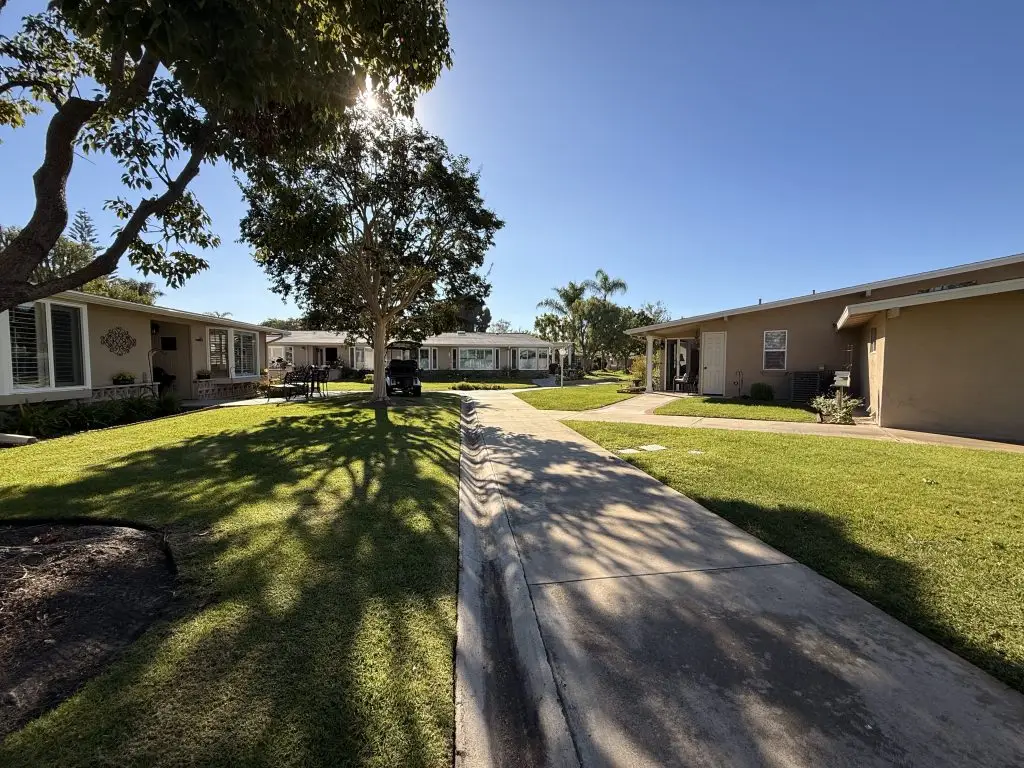
Start by checking the community calendar, attending an introductory club meeting, or visiting a clubhouse noticeboard for organizer contacts. Most clubs welcome guests or trial attendance before asking for membership commitments, and many offer mentorship for new participants. Event calendars are published through GRF channels and community newsletters; newcomers should also attend orientation sessions and welcome events to learn signup procedures and scheduling norms. Active participation is one of the fastest ways to form friendships and find leadership or volunteer opportunities in the community.
Clear, step‑by‑step joining processes reduce barriers and help new residents move from visitor to active participant quickly—improving both satisfaction and retention in community life.
Creative and cultural opportunities
Leisure World’s creative and cultural offerings include arts and crafts studios, music and theater programs, and exhibition opportunities that support cognitive engagement and social identity. Studios host painting, ceramics, woodworking, and textile arts, while performance groups stage concerts and plays that involve both performers and audiences. Cultural programming often culminates in shows or sales that highlight resident work and encourage community‑wide participation. Creative activities serve as leisure, mental stimulation, and shared celebration—visible signs of a vibrant community life.
The next section lists common arts and crafts programs residents typically access.
Which arts and crafts programs are offered?
Programs commonly include painting workshops, ceramics classes with kiln access, woodworking sessions, and textile arts such as quilting and knitting circles. Offerings range from beginner to advanced and often lead to gallery shows or craft fairs that showcase resident work. Studios provide open studio hours for independent practice in addition to instructor‑led classes, and some spaces support small sales coordinated with community events. Structured learning and public sharing both build skills and bring peer recognition.
These programs deliver mental stimulation, purpose, and social visibility—useful considerations for buyers who value an active cultural life when touring properties.
How do creative activities improve quality of life?
Creative engagement strengthens cognitive resilience by exercising planning, fine motor skills, and memory. It also relieves stress and provides a tangible sense of accomplishment. Group projects and performances create shared goals that strengthen social bonds and establish rituals—seasonal shows or craft fairs—that anchor the community calendar. Participants often report greater purpose and opportunities to connect with the wider community when events are open to public audiences. Observing creative programming during a visit gives buyers a clear sense of resident energy and lifestyle fit.
After reviewing program types and benefits, many prospective residents ask how to translate these lifestyle priorities into a home search. The sections below explain next steps for buying or selling with amenities in mind.
Leisure Living Resales is a local resource focused on properties within Leisure World Seal Beach and can help buyers and sellers align housing choices with amenity priorities. Mark Hughes and Judy Hughes lead the team and specialize in matching lifestyle needs—proximity to clubhouses, the golf course, or the aquatic center—to available listings and viewing schedules. If your goal is active senior living with easy access to specific facilities, working with specialists who know program schedules and amenity layouts will streamline your search and identify neighborhoods that support your routine.
To attract and convert buyers and sellers in Leisure World Seal Beach, provide expert guidance and showcase listings with clear amenity context. For next steps, contact Leisure Living Resales via the contact form or call to schedule a tour that highlights homes near your preferred facilities. Our local knowledge helps translate lifestyle priorities into practical property comparisons and viewing routes that emphasize walkability, parking, and program access.
Frequently Asked Questions
What types of health and wellness programs are available for residents?
Leisure World offers a wide range of health and wellness programs tailored to older adults, emphasizing prevention and recovery. Expect fitness classes, nutrition workshops, health screenings, and seminars on topics like fall prevention and chronic disease management. Many programs partner with local healthcare providers so residents can access specialized sessions and practical guidance. Regular workshops and clinics encourage proactive health management and foster a supportive community environment.
How can residents stay informed about upcoming events and activities?
Residents stay informed through several channels: the Golden Rain Foundation (GRF) community calendar posted in clubhouses, printed and digital newsletters, clubhouse bulletin boards, and club email lists. New residents should attend orientation and welcome events to learn how calendars and signups work. These channels make it easy to find and join regular activities.
Are there transportation options available for residents without personal vehicles?
Yes. Leisure World provides shuttle services and organized transportation to local shopping, medical appointments, and community events. Special outings and event shuttles are also available, ensuring residents without personal vehicles can access essential services and social opportunities. These services support independence and full participation in community life.
What role do volunteers play in Leisure World?
Volunteers are central to community life—organizing activities, leading classes, staffing events, and supporting clubs. Many residents volunteer regularly, which strengthens social ties and enriches programming. Volunteer opportunities are posted in clubhouses and through club communications; newcomers are encouraged to get involved to build connections and purpose.
How does Leisure World support intergenerational activities?
Leisure World encourages intergenerational programs by partnering with schools and community organizations for art shows, performances, and volunteer projects that bring together seniors and younger participants. These events foster mutual learning and refresh community energy, creating meaningful interactions across generations.
What are the benefits of joining clubs and organizations in Leisure World?
Joining clubs delivers social engagement, skill development, and leadership opportunities. Residents can pursue hobbies, stay active through sports, or contribute to service projects—each activity boosting mental and physical well‑being. Clubs also host events that showcase members’ talents and create lasting social networks.
Conclusion
Leisure World Seal Beach offers a varied mix of amenities that support health, social life, and a fulfilling 55+ lifestyle. Understanding how facilities operate and how they influence property values helps buyers and sellers make informed decisions. When you’re ready to explore homes that match your amenity priorities, Leisure Living Resales can help—connecting you to listings and tours that put your daily routine first. Reach out to discover homes located near the amenities that matter most to you.