Seal Beach Real Estate Sales Trends Explained: Insights on Leisure World Seal Beach Home Prices and Market Forecasts
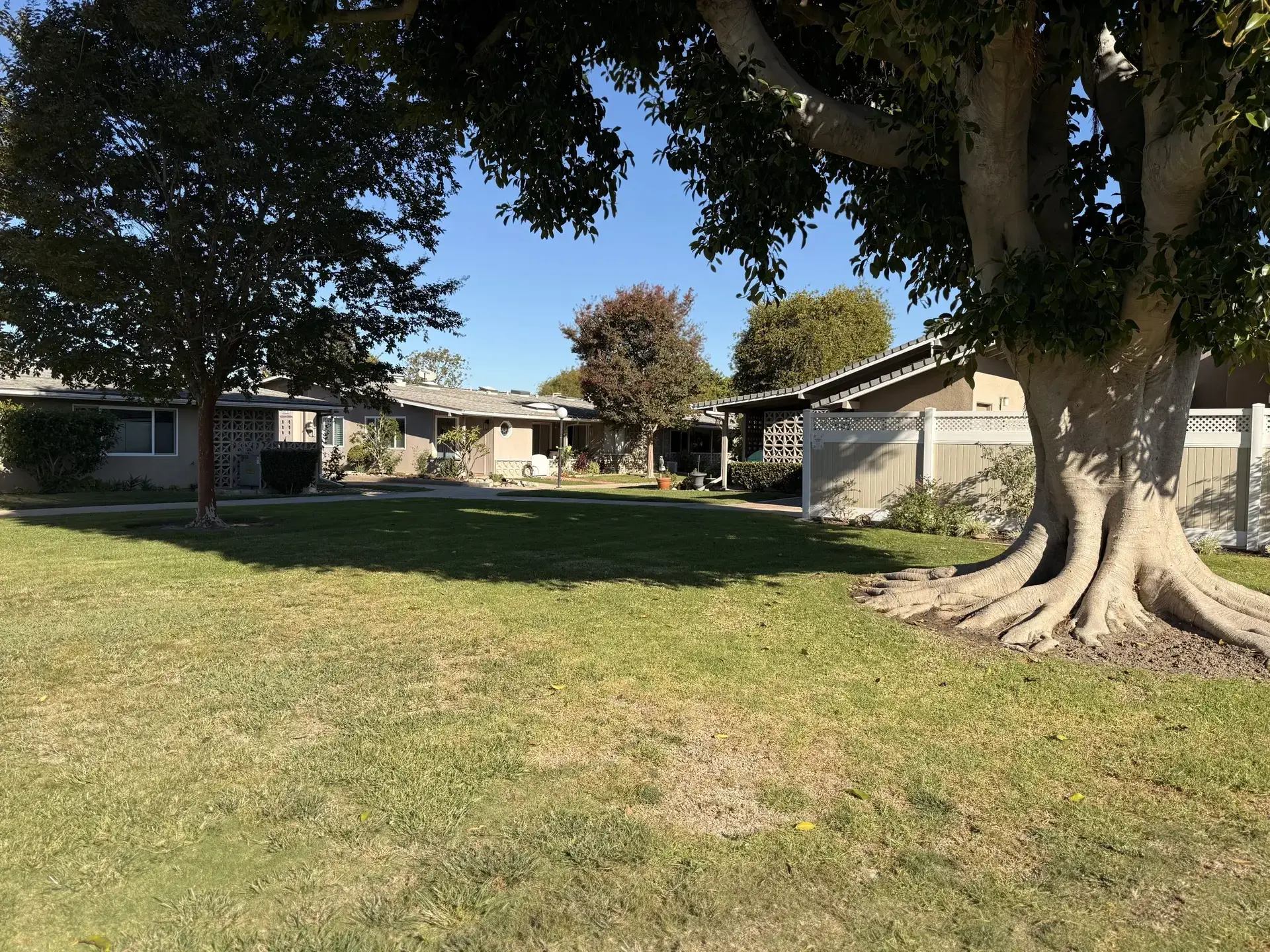
Leisure World Seal Beach sits as a distinct micro-market inside Seal Beach, defined by age-restricted living, extensive shared amenities, and a high prevalence of stock cooperative ownership.
This article explains the current market metrics, ownership types, HOA dynamics, and practical steps buyers and sellers must follow when transacting within Leisure World Seal Beach.
Readers will gain a clear snapshot of median values and market velocity, understand how stock cooperatives differ from condominiums, and learn seller and buyer playbooks tailored to a 55+ community. We address HOA fee mechanics, amenity-driven demand, financing realities, and present a scenario-based five-year outlook that ties macro forces to local inventory dynamics. The following sections cover current trends and metrics, property-type impacts, HOA and amenity effects, buyer guidance, seller strategies, forecasted scenarios, and concise FAQs — all framed to help prospective buyers and sellers make informed decisions in this specialized market.
What Are the Current Real Estate Market Trends in Leisure World Seal Beach?
Leisure World’s market dynamics are driven by limited inventory, a mature buyer pool within the 55+ demographic, and the predominance of stock cooperative ownership that imposes transfer processes absent in conventional markets. Recent snapshots show median sale prices that have been broadly stable to modestly appreciating year-over-year, with time-on-market reflecting steady buyer interest but longer administrative timelines due to co-op approvals. The sale-to-list ratio typically signals whether listings are selling near asking price, and in Leisure World that ratio has historically been close to parity because buyers value the community amenities and stable governance. Understanding these metrics helps both buyers and sellers set realistic expectations around timing, pricing, and negotiation leverage.
| Metric | Leisure World Seal Beach | Seal Beach (Broader City) |
|---|---|---|
| Median Sale Price (approx.) | $340,000 | Higher than Leisure World (varies by neighborhood) |
| Typical Days on Market | ~50–70 days | Shorter in citywide single-family segments |
| Sale-to-List Price Ratio | ~95–100% | Variable; often similar for condos, higher for single-family homes |
This comparison highlights how ownership type and community rules compress price dispersion inside Leisure World. Sellers should interpret a near-parity sale-to-list ratio as an indicator that pricing within 5% of market comps tends to generate the most buyer interest. Understanding how these metrics interact leads directly into an assessment of median price specifics and time-to-sale nuances below.
What Is the Median Home Price in Leisure World Seal Beach in 2025?
The median home price in Leisure World Seal Beach for 2025 sits roughly in the mid-three-hundred-thousand-dollar range, reflecting modest appreciation compared with recent years. This median is influenced heavily by the concentration of stock cooperatives, which often trade in narrower bands than typical single-family homes because units are similar in layout and service inclusion. Factors such as mutual membership, included utilities, and upkeep responsibilities are reflected in sale prices and tend to compress median variation. Buyers and sellers should interpret the median as a community-specific indicator rather than a direct comparison to single-family markets elsewhere in Seal Beach.
Understanding the median’s drivers clarifies why price adjustments are often incremental and tied to condition, mutual differences, and amenity proximity, which we’ll explore when comparing property types.
How Long Do Homes Typically Stay on the Market in Leisure World?
Homes in Leisure World commonly spend several weeks on market, with typical days-on-market figures in the 50–70 day range once active listing and co-op approval windows are combined. Time-on-market is shaped by two overlapping timelines: buyer-finding and the administrative co-op transfer process that follows an accepted offer, which can extend the effective sale timeline even when buyer demand is steady. Seasonal patterns are muted compared with general consumer housing markets because the buyer demographic is often looking for lifestyle fit over timing. Sellers should expect to build the transfer timeline into their planning and factor that into negotiated closing dates.
Knowing the typical DOM helps sellers pace pre-listing work and helps buyers anticipate how quickly they can move from offer to occupancy after board review.
What Is the Sale-to-List Price Ratio in Leisure World Seal Beach?
The sale-to-list price ratio in Leisure World generally hovers close to 95–100%, indicating that most transactions complete at or near asking price when pricing aligns with recent comparable sales. A ratio near parity suggests limited room for deep negotiation on well-priced listings, while significant deviations typically reflect condition issues or pricing outside neighborhood norms. For buyers, this metric signals the competitive nature of correctly priced units; for sellers, it reinforces that precise comparative pricing and strong presentation capture the premium. Strategic pricing within the market band increases the likelihood of favorable offers and smoother co-op approval momentum.
Interpreting the ratio with local comps and recent sales trends provides actionable guidance for final list price selection, which we’ll tie into property-type valuation differences next.
How Does Leisure World Compare to the Broader Seal Beach Housing Market?
Leisure World’s market differs from broader Seal Beach primarily due to ownership structure (stock cooperatives vs. fee-simple homes), buyer demographics (55+ requirement), and bundled services that alter cost comparisons. Whereas citywide Seal Beach contains a mix of single-family homes, condos, and townhomes with broader buyer appeal, Leisure World’s stock cooperatives create a narrower buyer pool and a value set that emphasizes amenities and community services. These differences generally produce lower median prices than some single-family neighborhoods but steady demand and lower volatility. Sellers and buyers benefit from comparing like-for-like property types rather than raw citywide medians to set realistic expectations.
Comparative clarity between community-specific metrics and citywide trends helps readers avoid mismatched valuations and prepares them for the specific mechanics of trading in a co-op environment.
Seal Beach Housing Stock Overview
The housing stock in Seal Beach consists of a mix of single-family and multi-family units.
How Do Property Types Affect Real Estate Values in Leisure World Seal Beach?
Property type—primarily stock cooperatives versus condominiums—directly influences financing options, buyer reach, and resale velocity in Leisure World Seal Beach. Stock cooperatives typically involve share ownership and proprietary leases, which can limit certain mortgage types and often favor cash or specialized lenders, while condominiums usually permit more conventional financing. This structural difference constrains buyer pools for co-ops but also stabilizes values because units trade within well-understood mutual parameters. Appreciating how ownership form impacts demand and liquidity is essential to evaluating whether a property’s listed price reflects its true marketability.
| Property Type | Typical Price Range | Typical Size / Notes |
|---|---|---|
| Stock Cooperatives | $250K – $450K (varies by mutual & condition) | Standardized unit types, proprietary lease terms |
| Condominiums | $300K – $550K (fewer within Leisure World) | Easier financing, broader buyer pool |
| Resale vs Transfer Listings | Price varies by transfer complexity | Some listings require additional board paperwork |
This table shows how ownership form maps to price bands and buyer access. Recognizing these differences prepares buyers to choose units aligned with financing capacity and sellers to set prices aligned with likely buyer segments.
What Are Stock Cooperatives and How Do They Influence Home Prices?
Stock cooperatives mean buyers purchase shares in a corporation that entitles them to a proprietary lease for a specific unit rather than acquiring real property outright. This mechanism centralizes building maintenance and amenities under mutual governance, which simplifies certain costs but can restrict resales through board approvals and occupation rules. Because co-op shares trade within a defined community framework, prices tend to be stable and reflect collective service levels and reserve health more than individual property features. Transfer requirements and board interviews also add transaction time and, in some cases, reduce the number of potential buyers, which influences liquidity and pricing dynamics.
Understanding the co-op transfer mechanics helps buyers anticipate timeline impacts and sellers to prepare documentation that reduces friction during sale.
Understanding Stock Cooperatives vs. Condominiums
Community Apartments: Condominium or Stock Cooperative
How Do Condominium Values Compare to Stock Cooperatives in Leisure World?
Condominiums inside or adjacent to similar communities typically command different buyer attention because fee-simple ownership supports conventional mortgages and sometimes broader resale pools. Condos may sell at a premium relative to similar-sized co-op units when financing availability and market perception favor fee-simple ownership. However, in Leisure World, the number of condominiums is smaller, and many buyers prioritize access to the community’s shared services, which can offset financing advantages. For buyers choosing between types, the trade-off is often liquidity and financing ease versus bundled services and possibly lower purchase price.
Buyers should weigh financing access against ongoing fee structures and the lifestyle trade-offs of both ownership types when selecting a unit.
What Is the Typical Price Range and Size for Leisure World Properties?
Typical Leisure World units cluster in compact footprints optimized for active adult living, with small-to-medium one- and two-bedroom floor plans dominating inventory and price bands reflecting those sizes. Price ranges for common units generally fall within mid-to-upper three hundred thousand-dollar territory for median-condition units, with premium positions or extensively upgraded interiors pushing higher. Price-per-square-foot varies by mutual and condition but is commonly lower than Seal Beach single-family comparables due to unit scale and shared service inclusion. Buyers should set expectations for smaller living areas and focus on storage, layout efficiency, and amenity access when comparing value.
Recognizing typical sizes and price bands prevents unrealistic comparisons and aids buyers in prioritizing upgrades that yield the highest resale impact.
How Do HOA Fees and Community Amenities Impact Leisure World Property Values?
HOA fees and the breadth of community amenities in Leisure World fundamentally shape the monthly carrying cost and perceived lifestyle value, which buyers and appraisers both consider in valuation. Fees typically cover maintenance, security, common-area upkeep, and many community services, translating some homeownership responsibilities into predictable monthly costs. Rich amenity sets—golf course access, clubhouses, pools, and on-site services—can justify higher asking prices and attract buyers seeking active, community-oriented retirement living. Transparent HOA accounting and robust reserve funding improve buyer confidence and, over time, support steadier property values through consistent maintenance and service levels.
| Fee / Amenity | Typical Monthly Cost Range | Impact on Value (Low / Med / High) |
|---|---|---|
| Basic Maintenance & Services | $200–$400 | Medium |
| Security & Community Staffing | $50–$150 | Medium |
| Amenities (Golf, Pools, Clubhouses) | $50–$250 | High |
| Reserve Contributions | Variable | High (long-term maintenance support) |
Reviewing how each fee component ties to service quality clarifies why some mutuals command premiums: buyers are effectively paying for predictable upkeep and access rather than unpredictable maintenance expenses. Understanding fee allocation helps both buyers and sellers evaluate net monthly cost against comparable market offerings.
What Are the Average HOA Fees in Leisure World Seal Beach?
Average monthly HOA-like charges in Leisure World vary by mutual and included services, often spanning a moderate range that bundles maintenance, some utilities, and access to shared facilities. Fee structures differ because mutuals set budgets independently; some include more services while others keep fees leaner, which affects both cash flow for owners and resale desirability. Buyers should request the mutual’s budget, reserve study, and recent assessment history to evaluate fee sustainability and potential near-term increases. Sellers benefit from presenting clear fee documentation to preempt questions and accelerate buyer decision-making.
Proactive fee transparency reduces perceived transaction risk and helps buyers compare total monthly costs rather than focusing solely on the purchase price.
How Do Amenities Like Golf Courses and Clubhouses Affect Home Demand?
High-quality amenities act as demand multipliers in Leisure World by aligning with buyer motivations for social engagement, recreation, and convenience, which are central to active adult communities. Amenities like golf courses, multiple clubhouses, fitness centers, and pools increase the appeal to lifestyle-focused buyers and can justify measurable price premiums when well-maintained and actively programmed. Amenities also expand the effective buyer pool among retirees seeking onsite social infrastructure, which in turn supports resale velocity. For sellers, highlighting amenity access in marketing materials and staging can materially influence buyer perception and willingness to pay.
When amenities are coupled with strong governance and visible maintenance, they become durable value drivers rather than short-term selling points.
Why Are HOA Fees Important for Buyers and Sellers in a 55+ Community?
In a 55+ community, HOA fees assume outsized importance because many buyers are retirees on fixed incomes and prioritize predictable monthly expenses over speculative capital gains. Fees that include healthcare-adjacent services, security, and robust reserve contributions increase perceived security for aging owners and often translate to stronger resale demand. Conversely, high or poorly documented fees can reduce the effective affordability of a unit and compress the buyer pool. Sellers who can clearly demonstrate fee stability and documented reserve planning reduce buyer hesitation and accelerate transactions.
Considering HOA fees alongside mortgage or cash outlay yields a truer picture of monthly affordability and long-term value preservation in the community.
What Should Buyers Know About Purchasing Homes in Leisure World Seal Beach?
Buying in Leisure World requires buyers to understand age restrictions, co-op mechanics, financing realities, and community rules that differ from conventional real estate purchases. Age verification, board approvals, and mutual-specific paperwork are typical checkpoints that influence timelines and eligibility — all of which should be anticipated before making an offer. Because many transactions trend toward cash or lender products unfamiliar with co-op nuances, buyers should consult lenders experienced with stock cooperatives early in the process. Preparing documentation, aligning expectations on fees, and working with agents familiar with Leisure World’s processes materially improves the buying experience and reduces delays.
Attract and convert prospective buyers and sellers of properties in Leisure World Seal Beach by providing expert guidance and showcasing listings.
How Does the 55+ Age Restriction Affect the Buying Process?
The 55+ age restriction requires buyers to provide verification documentation and often restricts household composition, which narrows the eligible buyer pool and shortens the window for contested offers by ensuring buyer suitability. Age verification is typically straightforward—certified IDs and documentation—but it is a gating requirement that must be satisfied prior to occupancy approvals. Buyers should prepare a concise package that includes identification, proof of funds, and any required affidavits to streamline board reviews. Understanding these restrictions helps buyers avoid wasted offers and helps sellers target marketing toward qualified prospects.
Preparing the right documentation in advance expedites the administrative review and reduces friction between contracting and closing.
What Financing Options Are Available for Leisure World Properties?
Financing for Leisure World properties varies: many buyers use cash, while others secure mortgages through lenders experienced with co-op or proprietary lease structures; conventional lenders may impose additional underwriting steps. Because stock cooperative ownership is technically share-based, some traditional mortgage products are unavailable or require special programs, so early lender consultation is essential. Buyers should obtain pre-qualification from lenders familiar with co-op transactions to confirm available loan products and timeline expectations. Practical steps include collecting mutual governing documents and insurance details that lenders will review as part of underwriting.
Proactive financing preparation reduces uncertainty and positions offers more competitively when multiple buyers evaluate the same unit.
How Can Buyers Navigate Co-op Ownership and Community Rules?
Navigating co-op ownership is a stepwise process:
- identify mutual-specific rules
- request the resale packet
- secure financing pre-approval
- submit an offer with contingencies for document review
- prepare for co-op board interviews and approvals
Working with a real estate agent experienced in Leisure World shortens timelines by ensuring the resale packet is complete and by anticipating common board questions. Buyers should also perform inspections where allowed, review reserve studies, and confirm monthly charge scopes to avoid surprise assessments. Clear communication with sellers and the mutual helps avoid delays once an offer is accepted.
What Amenities and Lifestyle Benefits Attract Buyers to Leisure World?
Leisure World’s amenity mix—golf, clubhouses, pools, organized clubs, and community services—draws buyers seeking social engagement, convenience, and active recreation within a managed environment. These features appeal strongly to retirees prioritizing low-maintenance living and ready-made social networks, amplifying demand for units near high-activity hubs. Amenities also support daily convenience, reducing the need for travel to outside services and enhancing perceived safety and comfort. For buyers evaluating trade-offs, amenity access often trumps square footage in importance for lifestyle satisfaction.
Sellers who emphasize lifestyle storytelling and amenity proximity in marketing better connect with buyer motivations and justify pricing premiums.
How Can Sellers Maximize Home Value and Success in Leisure World Seal Beach?
Sellers in Leisure World succeed by aligning pricing precisely with mutual comps, preparing co-op paperwork in advance, and marketing to the 55+ buyer persona that values amenities and low-maintenance living. Presentation—clean, decluttered interiors and amenity-focused photography—matters more than extreme cosmetic upgrades because buyers prioritize move-in readiness and functional layouts. Completing or organizing required resale documents before listing avoids administrative bottlenecks and projects confidence to buyers and cooperating agents. Effective timing and targeted outreach further improve sale speed and price outcomes.
The following checklist outlines marketing and pre-sale administrative priorities to maximize value.
- Prepare Resale Packet: Assemble HOA/mutual documents, budgets, and reserve studies.
- Stage for Lifestyle: Showcase amenity access and low-maintenance living in photos and descriptions.
- Price to Comparable Sales: Set list price within the mutual’s recent sale band to attract immediate interest.
- Target the 55+ Buyer Pool: Use channels and messaging that highlight community lifestyle and services.
Completing these items before listing reduces time on market and positions a property for competitive offers; the next section explains paperwork specifics in greater detail.
What Are Effective Marketing Strategies for Selling in a 55+ Community?
Marketing in Leisure World must emphasize lifestyle, safety, and simplicity: professional photography of both the unit and community spaces, descriptive amenity-focused copy, and outreach that reaches active-adult buyer channels. Offline strategies—community bulletin notice, targeted mailings, and open houses timed for seniors—complement online listings to reach buyers who prefer traditional channels. Highlighting low-maintenance living, included services, and community calendars resonates strongly with the buyer demographic. Combining amenity-centric narratives with clear document readiness differentiates listings and accelerates buyer trust.
A balanced online/offline marketing mix ensures visibility across the range of buyer preferences common in 55+ markets.
How Should Sellers Handle HOA Paperwork and Community Requirements?
Sellers should proactively gather required mutual documents: resale packets, budgets, minutes, and proof of reserve funding, and should disclose any recent assessments or repair plans to avoid surprises. Early coordination with mutual management and an experienced agent reduces the risk of delayed approvals and helps sellers set realistic closing timelines. Preparing board-friendly information such as buyer profiles (when permitted) and clear transaction timelines improves the odds of a smooth transfer. Sellers who anticipate paperwork needs shorten the total transaction duration and often secure stronger offers.
Timely document preparation directly affects closing windows and buyer confidence, which together determine net selling success.
When Is the Best Time to Sell a Home in Leisure World Seal Beach?
Seasonality in Leisure World is muted compared with broader consumer markets, but spring months often see higher buyer activity while winter months may reduce immediate visitation. Because many buyers are motivated by lifestyle alignment rather than calendar seasonality, readiness and correct pricing frequently outperform timing alone. Sellers should also consider mutual-specific events that increase onsite visibility, and align open-house scheduling with community calendars to boost attendance. The most effective strategy is to list when the home is clean, documented, and competitively priced rather than waiting for an ideal month.
Optimizing timing around readiness and local buyer availability typically produces better outcomes than attempting to chase narrow seasonal windows.
How Does Market Competitiveness Affect Selling Prices in Leisure World?
Market competitiveness—driven by inventory levels, comparable sales velocity, and buyer demand—directly influences sellers’ pricing power in the community. Low inventory combined with steady demand enhances seller leverage and can push sale-to-list ratios upward, while inventory gluts compress pricing and extend days-on-market. Sellers should monitor recent comparable sales within their mutual and adjacent mutuals to set realistic expectations and choose an aggressive versus conservative pricing strategy accordingly. Strategic pricing aligned with market competitiveness yields better negotiation outcomes and reduces carrying costs.
A tactical pricing approach paired with pre-staging and document readiness positions sellers to capture the best possible offers given prevailing competitiveness.
What Are the Future Real Estate Market Forecasts for Seal Beach and Leisure World?
Over the next five years, Leisure World’s market will be shaped by demographic trends (ongoing retirement demand), regional economic conditions, interest rate trajectories, and inventory turnover rates tied to owner longevity in the community. Baseline expectations point to modest appreciation under stable macroeconomic conditions, while optimistic scenarios assume renewed migration to coastal retirement communities and cautious scenarios factor in rate volatility that could slow purchase activity. Predictive clarity depends on reserve health, mutual maintenance, and the degree to which inventory becomes constrained or released by demographic shifts. Assessing scenarios helps buyers and sellers plan for timing, renovation investment, and pricing strategies.
| Scenario | 5-Year Outlook | Key Assumptions |
|---|---|---|
| Baseline | Modest appreciation (low-to-mid single digits CAGR) | Stable interest rates, steady retirement inflow |
| Optimistic | Higher appreciation (mid-single-digit CAGR) | Increased retirement migration, low inventory |
| Cautious | Flat to slight decline | Rate hikes or local economic softening |
Those scenarios help stakeholders calibrate expectations: baseline planning supports conservative investment, optimistic planning encourages measured upgrades, and cautious planning advises holding liquidity.
What Is the 5-Year Property Value Outlook for Leisure World Seal Beach?
The most likely five-year path for Leisure World is steady, moderate appreciation as long as interest rates and local employment remain stable and retirement-age migration continues. Appreciation will likely be uneven across mutuals depending on maintenance, amenity investment, and nearby demand drivers. Sellers planning capital improvements should favor projects with clear buyer-perceived value such as kitchen updates, accessibility enhancements, and decluttering. Buyers can expect reasonable long-term value preservation in well-managed mutuals but should evaluate fees and reserves as leading indicators of future maintenance costs.
Explicit assumptions underlying the baseline scenario include steady demand from the 55+ cohort and predictable mutual governance.
Which Economic Factors Will Influence Seal Beach Real Estate Trends?
Macro factors—interest rates, inflation, and regional employment—combine with local drivers—coastal desirability, retirement migration, and mutual reserve health—to shape Seal Beach and Leisure World outcomes. Higher interest rates typically temper transaction volumes and shift buyer preference toward cash or lower-leverage deals, while regional job growth supports broader housing demand. Locally, the appeal of on-site amenities and demonstrated mutual maintenance predicts which units command premiums. Assessing these factors in tandem yields a nuanced expectation for price movement and turnover rates.
Understanding the interplay among macro and micro drivers helps both buyers and sellers hedge decisions and set realistic timelines.
How Will Inventory and Demand Trends Shape the Leisure World Market?
Inventory levels—often constrained by long-term owners staying in place—create supply-side tightness that supports steady pricing in many Leisure World mutuals; when owners list in clusters, transient inventory can depress prices temporarily. Demographic demand remains relatively predictable given the 55+ target market, but external shocks (rates, economic downturns) can change buyer timing. For buyers, lower inventory means acting promptly on well-priced listings; for sellers, constrained inventory favors timing that captures peak buyer interest. Tactical recommendations include pre-listing preparation for sellers and financing readiness for buyers to react quickly when inventory becomes available.
Anticipating inventory cycles and aligning readiness with buyer demand increases the likelihood of successful transactions on both sides.
Frequently Asked Questions
What Are the Age Restrictions for Buying in Leisure World Seal Beach?
Leisure World Seal Beach has specific age restrictions that require at least one resident of the household to be 55 years or older. This age requirement is designed to create a community tailored for active adults. Buyers must provide verification documentation, such as identification, to confirm eligibility. Additionally, there may be restrictions on the number of occupants under 55, which can affect household composition. Understanding these rules is crucial for prospective buyers to ensure compliance and avoid complications during the purchasing process.
What Should Buyers Know About the Co-op Approval Process?
The co-op approval process in Leisure World involves several steps that can extend the timeline for closing. After an offer is accepted, buyers must submit a resale packet and undergo a board interview. This process is designed to ensure that new residents align with community standards and values. Buyers should prepare for potential delays due to the administrative nature of co-op approvals, which can take several weeks. Engaging with a knowledgeable real estate agent can help streamline this process and clarify expectations.
How Do Seasonal Trends Affect Buying and Selling in Leisure World?
While seasonal trends in Leisure World are less pronounced than in broader real estate markets, spring often sees increased buyer activity. Many buyers in this community are motivated by lifestyle rather than seasonal timing, which can lead to steady demand year-round. Sellers should focus on readiness and competitive pricing rather than waiting for a specific season. Listing a home when it is clean, well-documented, and attractively priced typically yields better results than trying to time the market based on seasonal fluctuations.
What Are the Common Financing Challenges for Buyers in Leisure World?
Financing for properties in Leisure World can present unique challenges due to the stock cooperative ownership structure. Many traditional mortgage products may not be available, leading buyers to rely on cash or specialized lenders familiar with co-op financing. Buyers should consult with lenders experienced in this niche early in the process to understand their options and secure pre-approval. Being proactive about financing can help buyers navigate potential hurdles and position their offers more competitively in a competitive market.
What Role Do Community Amenities Play in Property Value?
Community amenities significantly influence property values in Leisure World Seal Beach. Features such as golf courses, clubhouses, and fitness centers enhance the appeal of the community, attracting buyers seeking an active lifestyle. Well-maintained amenities can justify higher property prices and contribute to faster sales. Buyers should consider the quality and accessibility of amenities when evaluating properties, as these factors can enhance both lifestyle satisfaction and long-term value. Sellers should highlight these features in their marketing to attract potential buyers.
How Can Sellers Prepare for a Smooth Transaction in Leisure World?
Sellers can facilitate a smooth transaction by preparing necessary documentation in advance, including the resale packet, HOA documents, and maintenance records. Staging the home to highlight its features and proximity to amenities can also attract more buyers. Understanding the local market and pricing competitively based on recent sales within the mutual is crucial. Engaging an experienced real estate agent familiar with Leisure World can help sellers navigate the unique requirements of the community and streamline the selling process.
What Are the Key Differences Between Stock Cooperatives and Condos?
Stock cooperatives involve share ownership granting proprietary leases, while condominiums convey fee-simple ownership of a specific unit; financing and resale mechanics follow from that distinction. Cooperatives can limit available mortgage products and often require board approvals that prolong closing timelines, whereas condos typically permit broader lender participation and faster closings. From a value perspective, co-ops may trade at narrower bands due to homogeneous unit types and bundled services, while condos may attract buyers seeking conventional home financing. Practical takeaway: match financing readiness to ownership form and compare like-for-like when evaluating prices.
This comparison clarifies transaction expectations and buyer preparation needs for each ownership type.
How Do HOA Fees Affect Monthly Costs and Property Value?
HOA or mutual fees convert many ownership responsibilities into predictable monthly payments, effectively bundling maintenance, security, and amenity access into ongoing costs that influence affordability. A simple monthly cost formula helps prospective buyers: estimated mortgage (or cash equivalent) + monthly fees = total housing cost; factoring both is essential when comparing listings. Fees that fund reserves and preventive maintenance support higher resale values, while opaque or underfunded fee structures create risk for future assessments. Buyers should request budget and reserve documents to assess fee sustainability.
Clear fee analysis provides a realistic view of monthly carrying costs and long-term value implications.
What Is the Typical Process for Selling a Home in Leisure World?
Selling typically follows these steps:
- prepare the resale document packet
- stage and photograph the unit highlighting amenity access
- list with accurate comps
- accept an offer contingent on mutual review
- complete the co-op board approval process before final closing
Timelines vary but planning for board review and paperwork processing is essential to avoid last-minute delays.
Sellers who provide complete documentation and preemptively resolve common issues (e.g., outstanding assessments) experience faster closings.
Working with an agent experienced in Leisure World streamlines each step and coordinates with mutual management.
How Can Leisure Living Resales Help Navigate the Leisure World Market?
Leisure Living Resales operates via leisurelivingresales.com and is a specialized real estate agency focusing exclusively on the 55+ retirement community of Leisure World Seal Beach, California. The company is led by Mark and Judy Hughes, presented as expert REALTOR-Brokers with deep local knowledge and experience in this unique market.
Primary offering: expert guidance and brokerage services for buying and selling properties (primarily stock cooperatives and some condominiums) within Leisure World Seal Beach, including navigating the specific rules and processes of this age-restricted community. Unique value propositions noted: specialized expertise in Leisure World, targeted audience focus (55+), comprehensive guidance on timing/pricing/negotiation/marketing for Leisure World, and community integration (Mark Hughes is a resident and community board member).
Leisure Living Resales’ focused services are designed to reduce administrative friction, improve market positioning, and present listings to the most relevant buyer audiences in this specialized community.
Conclusion
Understanding the unique dynamics of Leisure World Seal Beach real estate empowers both buyers and sellers to navigate this specialized market effectively. With insights into property types, pricing strategies, and community amenities, stakeholders can make informed decisions that align with their lifestyle and financial goals. Engaging with experienced professionals can further streamline the process and enhance transaction outcomes. Explore our expert services today to maximize your success in this vibrant community.